
NESTLED in Sabah’s east coast Kinabatangan district, the Sungai Pin Conservation Area (SPnCA) is quietly redefining what an oil palm plantation can be.
Covering 2,632ha and stretching roughly 30km along Malaysia’s second-longest river, SPnCA spans riparian and peatland forests.
It is not just another estate focused solely on commercial yield. Here, industry, conservation and education coexist, offering a rare example of sustainable land management within a working plantation.
The area is home to 28 protected bird species, including the endangered white-crowned hornbill, wrinkled hornbill, rhinoceros hornbill and Storm’s stork.
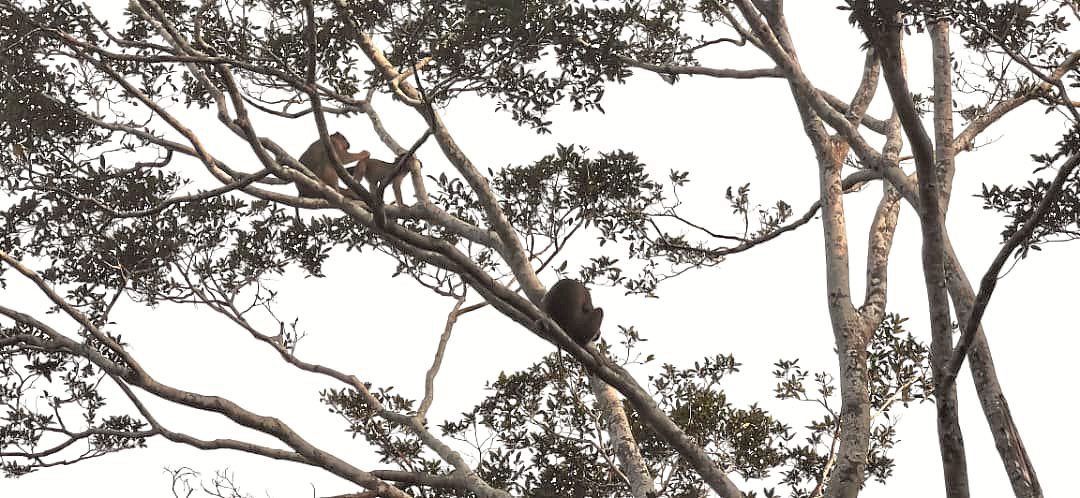
It also shelters 17 protected mammal species, such as the Bornean orang utan, proboscis monkey, Asian palm civet, silvered langur and Sunda pangolin, alongside more than 500 plant species.
Oil palm operations sit alongside preserved forests, wildlife corridors and river systems that support a wide range of species.
Orang utan move across canopy bridges, hornbills nest along riverbanks and native plants are gradually being restored in previously degraded areas.
Camera traps have recorded orang utan with their young, gibbons with offspring and pangolins with babies, showing that the habitats are sustaining breeding populations.
“This is about showing that eco-tourism and conservation can work hand in hand with business,” said Philipa Datuk Wilfred Mojilis, CEO of SKG Green Sdn Bhd, a subsidiary of Sabah-owned Sawit Kinabalu Group.
Sawit Kinabalu, a major agribusiness involved in oil palm cultivation and milling across the state, has in recent years diversified to include conservation and sustainable tourism alongside its core operations.
“We want people to visit, experience conservation in action, and enjoy the unique attractions SPnCA has to offer,” Mojilis said.
SPnCA was established in 2017 under a memorandum of understanding between Sawit Kinabalu and the Sabah Forestry Department as part of a voluntary sustainability initiative. Early conservation work included tree planting and habitat protection by Sawit Kinabalu’s Conservation and Biodiversity Unit (CBU).
“As the conservation area matured and began attracting researchers, educators and visitors, SKG Green was formed to manage and develop SPnCA’s eco-tourism and conservation activities separately from plantation operations,” Mojilis explained.
Under SKG Green’s management, SPnCA now offers structured eco-tourism, education programmes and visitor experiences, while maintaining its focus on biodiversity protection.
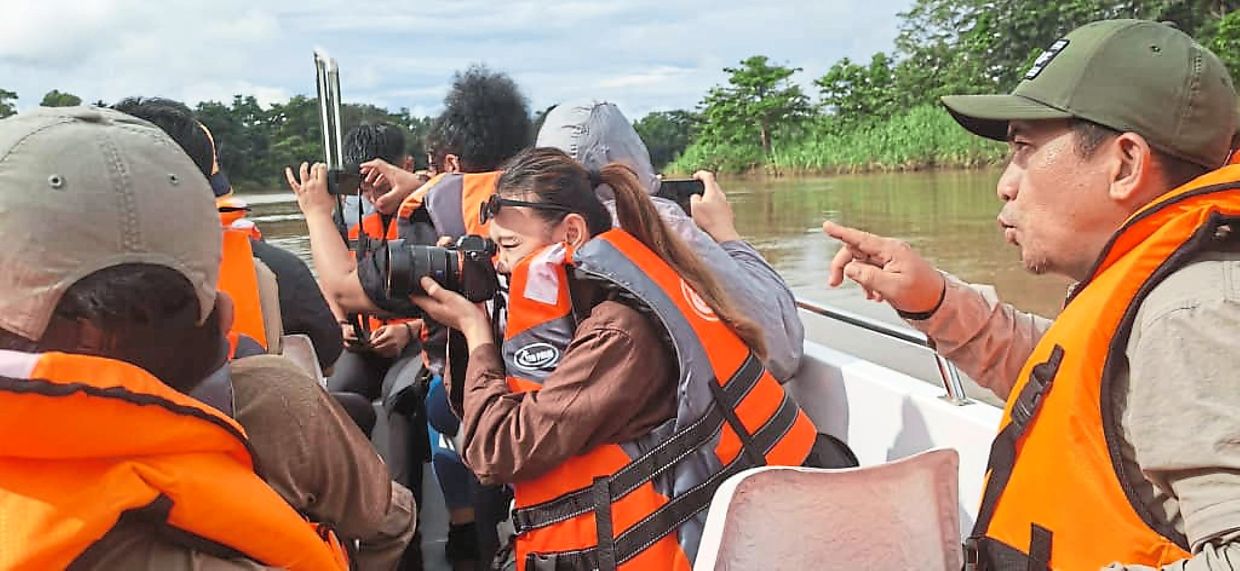
Visitors gain insight into how commercial and conservation priorities are balanced, observing wildlife in its natural setting. Guided tours allow tourists, school groups and researchers to learn about habitat restoration and sustainable plantation practices.
“By leveraging forests, rivers, walking trails and wildlife, SKG Green is positioning SPnCA as a destination for meaningful nature-based experiences. Income from tourism helps fund ongoing conservation,” Mojilis said.
The initiative has also benefited local communities through jobs in conservation, tourism services and guiding, while educational outreach raises environmental awareness among young people.
In an industry often criticised for its environmental impact, SPnCA stands out. By combining eco-tourism, conservation and commercial operations, it proves plantations can operate responsibly without compromising productivity.
With SPnCA, Sabah presents a working plantation that is as much about learning and experience as production, showing sustainable development is already taking shape on the ground.