PETALING JAYA: Malaysia does not need excessive imports of plastic waste and e-waste, and should consider a temporary six-month moratorium to assess the real impact on the country, says Tan Sri Azam Baki.
The Malaysian Anti-Corruption Commission (MACC) chief commissioner said the six-month period was proposed as a trial to evaluate the actual implications on the economy, environment and national enforcement systems.
“This matter will be discussed with the Chief Secretary to the Government to examine the relevant legal powers before any long-term policy decisions are made,” he said.
He added that the establishment of the Special Task Force reflects the government’s recognition that the issue of plastic and e-waste imports is no longer merely a technical or environmental matter.
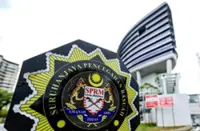
"It has now become a governance, enforcement integrity, and national interest issue," he added, while chairing the Special Task Force on the Direction of Enforcement for Plastic Waste and E-Waste Imports in Malaysia meeting at MACC headquarters in Putrajaya on Friday (Jan 16).
In a letter dated Dec 8, the Chief Secretary to the Government appointed MACC as the chairman of the task force, marking a shift towards a comprehensive national risk management approach.
The matter is also closely linked to Malaysia’s international obligations under the Basel Convention, which regulates the cross-border movement of hazardous waste.
According to the 2025 Organisation for Economic Co-operation and Development (OECD) report, Malaysia has been among the top waste-importing countries since 2023.
The 2025 Mismanaged Waste Index (MWI) also classifies Malaysia in the high category, with about 26.4% of plastic waste poorly managed.
During the meeting, Azam emphasised the need for close cooperation among the 12 appointed task force teams, particularly the Customs Department, Department of Environment (DOE), and the Ministry of Investment, Trade and Industry (Miti).
The Customs Department is responsible for controlling imports and exports and preventing smuggling under the Customs Act 1967, while DOE is tasked with implementing and enforcing the Basel Convention, including approving and monitoring waste imports and exports.
Meanwhile, Miti oversees trade and industrial policies and regulates licences related to imports and exports.
“Malaysia began tightening restrictions on plastic waste imports from July 1 last year, with most imports banned except those approved through the Sirim and Miti permit system.
“This move aims to reduce the inflow of foreign plastic waste and ensure that only recyclable waste is allowed into the country,” he said.