With recent hot weather driving up home energy usage, many Malaysians are becoming more mindful of their monthly bills.
While it’s natural to want to stay cool and comfortable during heatwaves, especially by using air-conditioning, there are smart and simple ways to manage energy use without sacrificing comfort. With just a few adjustments, you can enjoy a cool and comfortable home while using energy more efficiently – all without compromising your lifestyle.
Start by identifying the hidden guzzlers in your home. Some of the biggest contributors to your monthly bill may not even be in active use. Old refrigerators, for example, are among the most common energy wasters. While they may still work fine, ageing fridges tend to consume significantly more electricity than modern 5-star rated models. Buying a 5-star rated product not only helps you save money – it also supports Malaysia’s goal of reducing household energy consumption by 20% by 2050.
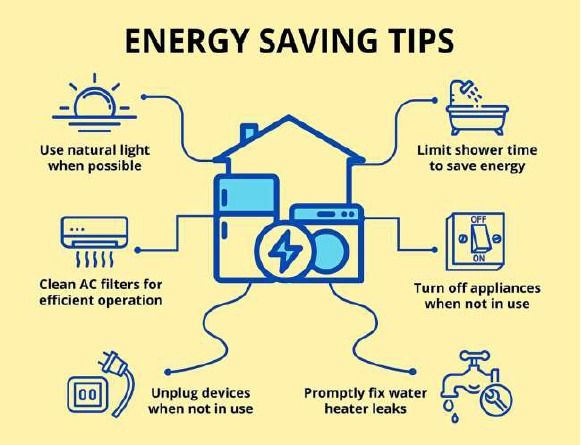
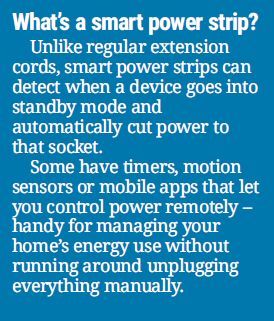
Appliances like TVs, printers and microwaves still draw power in standby mode when plugged in. Unplugging them or using a smart power strip helps cut this “phantom load” – the energy used by devices that are turned off but still plugged in.
This happens because many modern devices stay in low-power mode to support instant-on features, remote control use, or to keep internal clocks and memory running.
Common contributors to phantom load include:
1) Televisions: Modern smart televisions typically consume between 0.5 to 3 watts in standby mode. Even when “turned off” via a remote control, these devices often remain in a standby state.
2) Gaming consoles: Gaming consoles typically draw between 1 and 2 watts in standby mode, even when not actively in use. When powered off but still plugged in, they may still consume around 1.3 to 1.5 watts, depending on the model and settings such as network connectivity.
3) Phone and laptop chargers: Even when no device is connected for charging, a plugged in phone charger can still consume up to 0.5W. Similarly, laptops in sleep mode typically use about 1-2 watts of electricity, while desktops consume 1-5 watts.
4) Routers and modems: These devices are almost universally left on 24 hours a day. Modems generally consume between 5 and 15 watts, with integrated modem-router devices drawing slightly more, typically 10-20 watts. They continue to consume power even when idle.
5) Set-top boxes: Some set-top boxes are designed with standby power consumption below 1 watt. While the power draw of individual devices in standby mode may be minimal, the sheer volume of plugged-in electronics in a typical Malaysian household results in a significant cumulative drain.
Research indicates that phantom load can account for approximately 5% of the monthly electric bill in Malaysian homes.
Air conditioners are another big-ticket item on your bill. Set your air-cond between 24°C to 26°C – that’s the sweet spot for comfort and efficiency.
Clean the filters regularly, shut doors and windows, and use ceiling or stand fans to reduce dependence on AC.
If your air conditioner is over 10 years old and non-inverter, consider switching to an inverter model, which consumes significantly less energy over time.
If a full upgrade isn’t feasible right now, don’t worry – simple, everyday habits still go a long way. These may seem like a no-brainer for most, but have you habitualised these simple chores?
These include:
> turning off unused lights and switches;
> ironing clothes all at once instead of multiple times a day;
> sun-drying your laundry;
> avoid opening and closing the fridge unnecessarily;
> switching to energy-efficient LED lighting;
> turning off water heaters when not in use;
> taking advantage of natural daylight.
Use tech to track and save
Thanks to smart meters and the myTNB app, it’s easier to monitor and manage your electricity usage. The app lets you:
> track real-time and historical usage;
> set monthly consumption targets;
> receive alerts when nearing your limit;
> compare trends and spot unusual spikes.
Smart meters, now being rolled out nationwide by Tenaga Nasional Bhd (TNB), transmit your electricity data directly to the utility – so no more estimated bills. But more importantly, they give you the insight needed to spot hidden drains and adjust usage before the bill arrives.
For more tech-savvy households, home energy management systems can take it further – automating lights, temperature settings and even switching off appliances remotely or on a schedule. While technology can help you save, lasting impact comes from daily habits.
Simple actions like turning off unused lights and appliances, maximising natural daylight before switching on lamps, and regularly cleaning air conditioner filters can make a difference.
Fixing leaking taps or water heaters, limiting shower time, and unplugging chargers and devices when not in use are also effective ways to reduce unnecessary energy consumption.
These may seem minor on their own, but together, they add up to meaningful savings over time. It’s about creating a conscious culture of energy awareness at home – for both immediate relief and a more sustainable future.
What’s new in 2025
From July 1, 2025, Malaysia has introduced a new Electricity Tariff Structure to support the National Energy Transition Roadmap (NETR).
If you’re a domestic consumer, managing your usage can now bring direct incentives.
Use 600kWh and below a month and you are exempted from paying the Retail Charge and the Automatic Fuel Adjustment charge.
For those who use 1,000kWh and below monthly, they are eligible for the Energy Efficiency Incentive.
And did you know you can lower your electricity bill just by choosing the right time to use your appliances?
Under the Time of Use (ToU) scheme, electricity is cheaper during off-peak hours – from 10pm to 2pm the following day, as well as all day on Saturdays, Sundays and selected public holidays.
That means instead of running energy-hungry appliances like the washing machine, dryer, iron, or even the dishwasher during the late afternoon or evening rush, you can schedule them during the off-peak period – and pay less for the same amount of electricity.
For example: Do your laundry after dinner or early the next morning, and save your ironing for late at night or over lunch the next day.
By making small changes to your daily routine, you can take full advantage of the lower off-peak rates and see the difference on your monthly bill.
Why pay more when you don’t have to? Start shifting your heavy usage to off-peak hours and enjoy the savings!
To understand more about ToU Tariff, click this link