
A FAMILIAR energy stirs across Sabah each May.
Villages and towns begin preparing for Kaamatan, the Harvest Festival, and with it, the much-anticipated Unduk Ngadau pageant – a tradition rooted in the legend of Huminodun, the daughter of Kinoingan, who gave her life to feed her people.
What began as a sacred tribute has since evolved into a statewide celebration of culture and womanhood.
Once anchored in humility, strength and communal values, Unduk Ngadau was never meant to be just a beauty contest.
But over the years, it drifted from its origins. Glamour edged out meaning. Native tongues faded in favour of English. Professional styling, corporate sponsorships and social media buzz gradually overshadowed its cultural core.
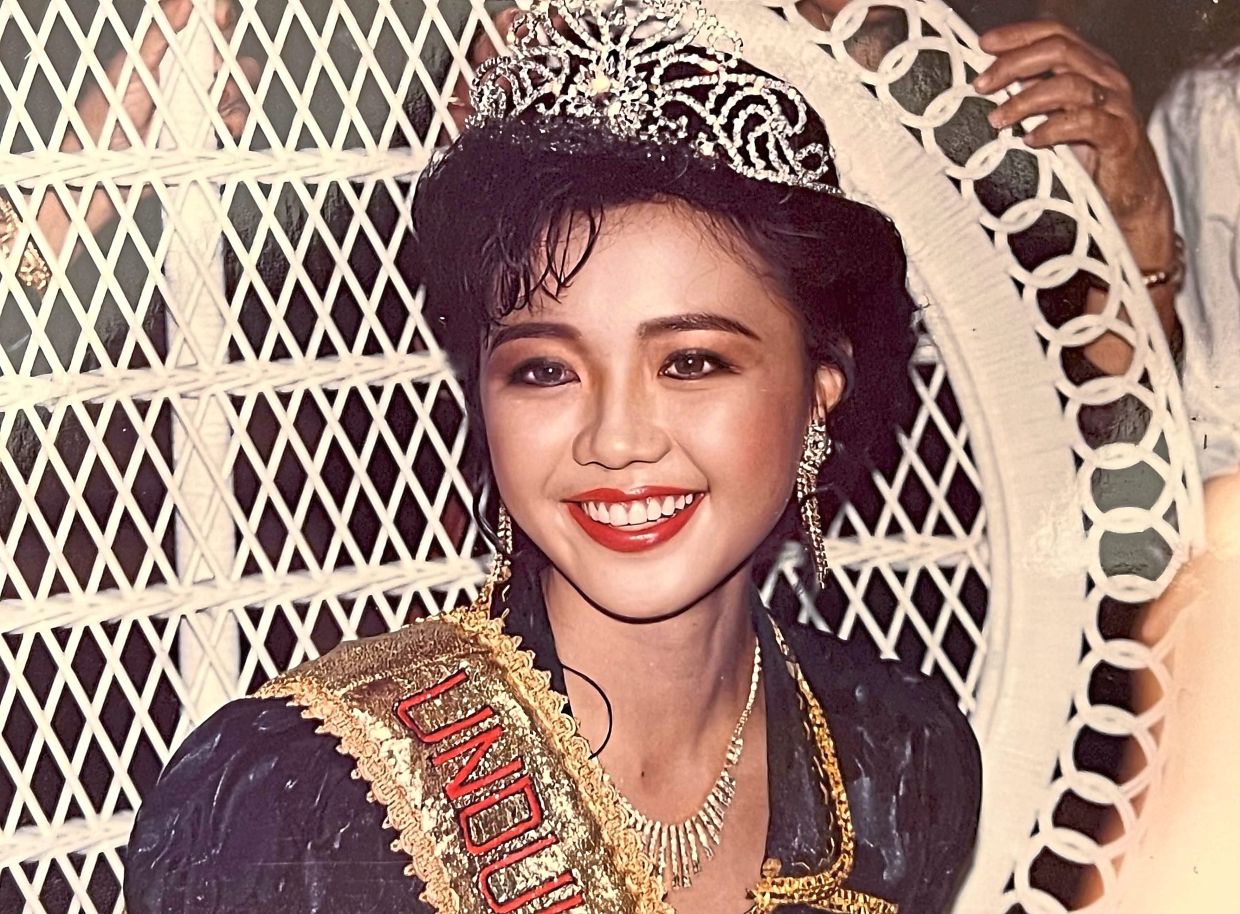
“It became too commercialised, too polished. It started to lose the essence of why it existed,” says Sylvia Orow, who was crowned Unduk Ngadau in 1991.
Orow entered the pageant at just 15. She recalls the simplicity of those early days: borrowing her traditional attire, having her make-up done by aunts and leaning on her extended family’s support.
“In those days, age wasn’t strictly enforced. You stepped forward when you came of age – it was all about community,” she says.
Datin Esther Sikayun, crowned Unduk Ngadau in 1984, shares similar memories.
“I was 19 when I joined. My mother wasn’t too keen, but she allowed my aunts to help,” says Sikayun.
“My sister-in-law did my make-up, I borrowed my attire from a relative, and had my hair done at a small salon in Donggongon.
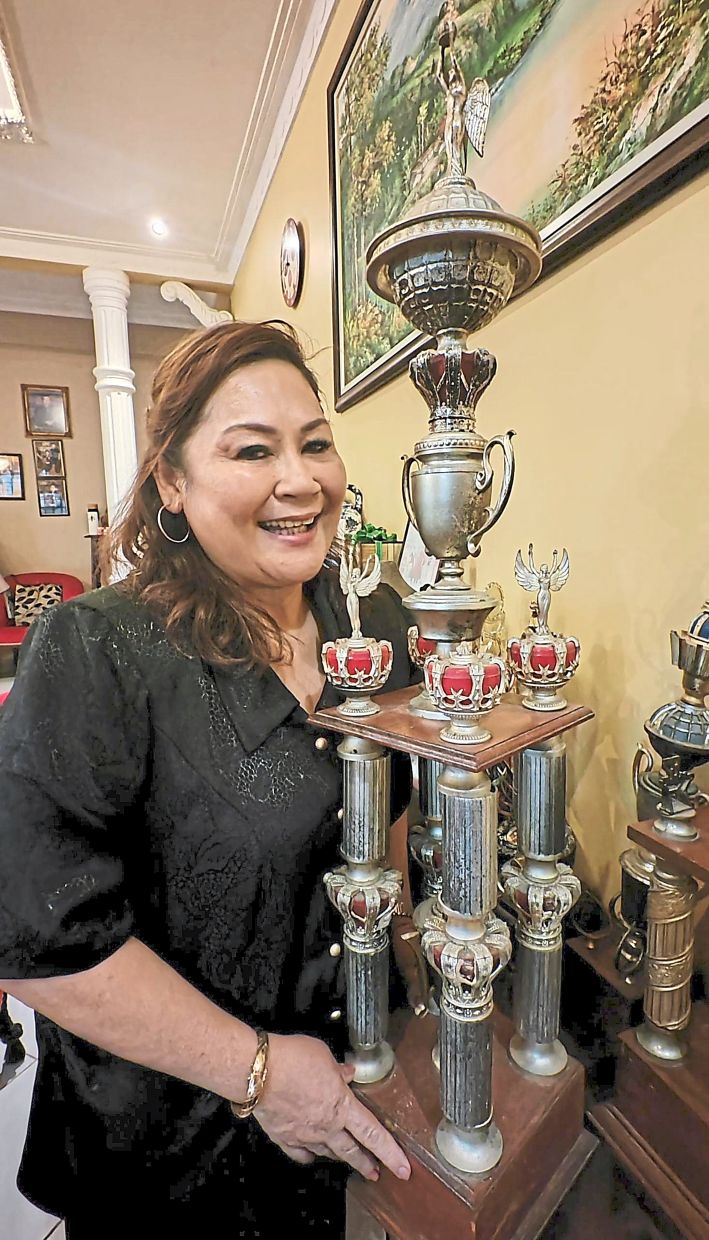
“There were no interviews, no subsidiary titles – just basic instructions on where to stand and how to turn to show off our outfits.”
She fondly remembers Prisca Tiko, who was spotted at a tamu (traditional market) and encouraged to join. She went on to win the 1973 crown – proof of how natural and inclusive the process once was.
But with rising media attention and stiffer competition, an industry sprang up behind the scenes, including a growing reliance on pageant managers. Participation became more expensive.
“Some managers are genuinely committed and play a huge role in helping contestants prepare,” Orow acknowledges.
“But others do the bare minimum. They charge fees, take half the prize money and sign up multiple girls without the capacity to support them properly.
“It’s become a business – and that’s not always a good thing.”
She believes managers must bring energy and genuine mentorship, not just profit motives.
“If you’re handling several contestants, you need a support team so each one gets the attention she deserves.
“That’s the only way this stays positive for everyone involved.”
A cultural reset
Despite the drift, Unduk Ngadau’s core values are being restored.
Organisers and community leaders have introduced reforms to bring back the pageant’s cultural authenticity.
Contestants are now required to introduce themselves in their native language – Kadazan, Dusun or Murut – and there’s renewed emphasis on traditional attire and cultural knowledge.
Workshops have been introduced to help participants understand the true meaning of Kaamatan and the story of Huminodun.
Sikayun, now a mentor, welcomes the change.
“We didn’t have this kind of education back then. It’s powerful to see contestants learning not just how to carry themselves, but who they are,” she says.
“And all this is at their fingertips now. Just go online – every question is answered.”
She’s also pleased to see recognition extended to designers and creative contributors.
“The dresses are stunning now, filled with beautiful traditional elements. That didn’t happen in our time.”
While the visuals have changed – from modest buns and small trophies to grand tiaras – she insists the essence remains.
Her daughter, Crystal Huminodun Majimbon, crowned in 2010, is part of this newer generation.
Initially hesitant, she embraced the pageant after reconnecting with her roots – guided every step of the way by her mother.
“It’s not just about looking the part. You have to know who you are, where you come from, and what your culture represents,” says Sikayun.
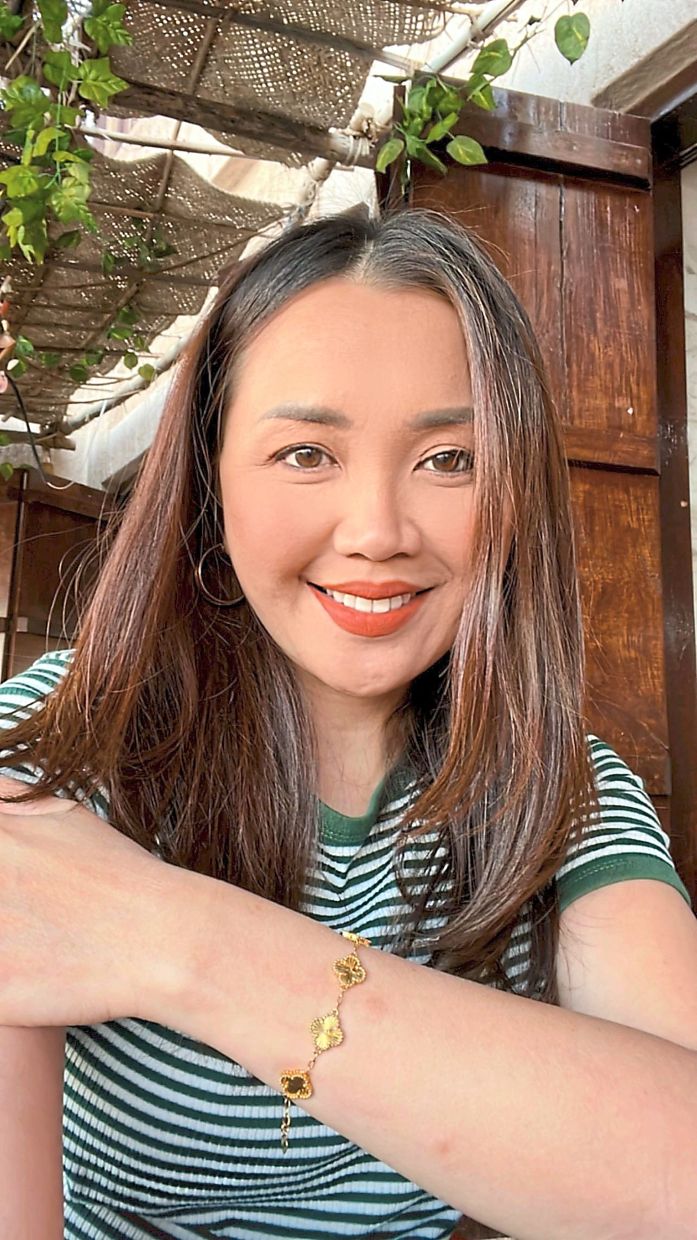
Meanwhile, Orow – now a Global Client Manager with Brookfield Asset Management – credits the pageant for giving her early confidence.
She splits her time between Dubai, New York and London, but has never lost touch with Sabah.
In New York, she spent over two decades leading the Malaysian Cultural Dance Group, co-founding the Malaysian Diaspora of New York and spotlighting Sabah’s heritage in global forums, including the UN World Day for Cultural Diversity.
“Unduk Ngadau gave me purpose and confidence at a crucial time. It didn’t transform my life overnight, but it opened a door. What came after was shaped by resilience, choices and inner peace,” says Orow, now nearing 50.
To the next generation of Unduk Ngadau, she offers a heartfelt reminder:
“Stay kind and grounded. Celebrate the growth but never forget the hands that lifted you, the voices that encouraged you and the moments that shaped you.
“No one gets there alone. Acknowledging that doesn’t make you smaller – it makes you wiser.”
“And beyond that, there’s real potential to build bridges with other indigenous communities globally. We have so much to learn from each other, and shared values that can bring us together.”
On May 31, when a new Harvest Queen is crowned, it won’t just be about outer beauty. It will be about cultural pride, resilience, and remembrance.
Unduk Ngadau is becoming again what it was always meant to be: a reflection of Huminodun’s spirit.
In Sabah, it still takes a village to crown a queen – and now, that village is reclaiming its story.