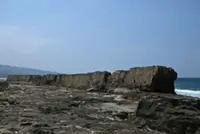
IPOH: The condition of archaeological sites in Lenggong Valley today is partly due to the local community’s lack of involvement, say experts.
Perak Heritage Society committee member Mohd Taib Mohamed said there was no sense of belonging among the locals as they did not appreciate the World Heritage status recognised by Unesco (United Nations Educational, Scientific and Cultural Organisation) for Lenggong Valley.
“We can lock down the caves to safeguard them or have money to develop this but there’s no pride and ownership among the locals.
“They are like ‘I don’t own it – who cares about what happens to the sites and the recognition’,” he said here yesterday.
“It is one thing to put the blame on the lack of allocation but to remain sustainable, there needs to be more awareness and understanding among the folks there.
“I wonder now how much engagement was done before and after the recognition was given by Unesco.”
It was reported in The Star that the archaeological sites in Lenggong Valley could be in danger of losing its Unesco World Heritage status as they were not properly maintained and in woeful condition.
Mohd Taib said he understood that it was a huge task to manage the place as the sites were scattered within the valley but the lack of leadership or vision to run the place was regrettable.
He said instead of collecting statistics on the number of visitors to the Lenggong Archaeological Gallery, there should be more programmes to encourage researchers to find new discoveries.
“It should really be about the former civilisation there. I don’t really know about the jurisdiction, whether it belongs to the Federal Government or the state.
“But the government needs to act fast,” he said, urging for more engagement with the locals as well as the possibility of creating a voluntary group responsible for any issue in the area.
“I do know that a new management team is needed – not just qualified people but also those dedicated and who know what they are handling.
“The government needs to bring in people like former Heritage Commissioner Emeritus Prof Datin Paduka Zuraina Majid, Universiti Sains Malaysia Centre for Global Archaeological Research director and archaeologist Prof Datuk Dr Mokhtar Saidin and the original team to salvage whatever is left.”
Perak Tourism Association president Datuk Mohammad Odzman Abdul Kadir said the local community did not know what to expect after gaining Unesco’s recognition.
“I don’t think the locals know what is to happen or the plans for the area. If they feel they are involved, they will support and help.
“But if they see outsiders coming in, making money without them, they will feel left out and no longer care,” he said.
Odzman said people with passion and interest in the development should handle historical sites such as those in Lenggong Valley.
“The government should consider getting people with passion to help out, including the non-governmental organisations. The relevant agencies need to collaborate with all parties who have interest in the sites.
“I think they are more than willing to volunteer if they are provided with the opportunity,” he said, urging the government not to wait until it was too late.
“They need to see what is still lacking and provide solutions. There should no longer be any finger pointing but to make this a collective responsibility if we do not want to see the status revoked.”
Perak Heritage Society committee member Mohd Taib Mohamed said there was no sense of belonging among the locals as they did not appreciate the World Heritage status recognised by Unesco (United Nations Educational, Scientific and Cultural Organisation) for Lenggong Valley.
“We can lock down the caves to safeguard them or have money to develop this but there’s no pride and ownership among the locals.
“They are like ‘I don’t own it – who cares about what happens to the sites and the recognition’,” he said here yesterday.
“It is one thing to put the blame on the lack of allocation but to remain sustainable, there needs to be more awareness and understanding among the folks there.
“I wonder now how much engagement was done before and after the recognition was given by Unesco.”
It was reported in The Star that the archaeological sites in Lenggong Valley could be in danger of losing its Unesco World Heritage status as they were not properly maintained and in woeful condition.
Mohd Taib said he understood that it was a huge task to manage the place as the sites were scattered within the valley but the lack of leadership or vision to run the place was regrettable.
He said instead of collecting statistics on the number of visitors to the Lenggong Archaeological Gallery, there should be more programmes to encourage researchers to find new discoveries.
“It should really be about the former civilisation there. I don’t really know about the jurisdiction, whether it belongs to the Federal Government or the state.
“But the government needs to act fast,” he said, urging for more engagement with the locals as well as the possibility of creating a voluntary group responsible for any issue in the area.
“I do know that a new management team is needed – not just qualified people but also those dedicated and who know what they are handling.
“The government needs to bring in people like former Heritage Commissioner Emeritus Prof Datin Paduka Zuraina Majid, Universiti Sains Malaysia Centre for Global Archaeological Research director and archaeologist Prof Datuk Dr Mokhtar Saidin and the original team to salvage whatever is left.”
Perak Tourism Association president Datuk Mohammad Odzman Abdul Kadir said the local community did not know what to expect after gaining Unesco’s recognition.
“I don’t think the locals know what is to happen or the plans for the area. If they feel they are involved, they will support and help.
“But if they see outsiders coming in, making money without them, they will feel left out and no longer care,” he said.
Odzman said people with passion and interest in the development should handle historical sites such as those in Lenggong Valley.
“The government should consider getting people with passion to help out, including the non-governmental organisations. The relevant agencies need to collaborate with all parties who have interest in the sites.
“I think they are more than willing to volunteer if they are provided with the opportunity,” he said, urging the government not to wait until it was too late.
“They need to see what is still lacking and provide solutions. There should no longer be any finger pointing but to make this a collective responsibility if we do not want to see the status revoked.”
Already a subscriber? Log in
Get 20% OFF The Star Digital Access
Cancel anytime. Ad-free. Unlimited access with perks.