LANGUAGE, customs and culture remain the heartbeat of identity for the Banjar, Javanese and Bugis communities in Selangor, as they strive to preserve their ancestral heritage for generations to come.

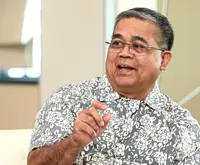
He shares that speaking the language holds a unique cultural value for everyone, including those outside the ethnic group.
He points out that the word "berilaan", for instance, is used during handshakes, especially during Hari Raya, to mean asking for mutual forgiveness.
"Then there is "kulaan", which means relative. I use that word whenever I meet people, asking them apa khabar kulaan? (how are you, relative?).
"It is the same with my family; we use simple Banjar words like "guringan", which means to sleep.
"By using these words repeatedly in our daily lives, we can help familiarise the younger generation with the language," says the Sungai Besar resident.
Haron adds that traditional delicacies like wajik kepe, popia, gagat and Banjar-style ayam masak merah remain synonymous with the community, particularly during feasts and weddings.
Meanwhile, 68-year-old Zainuddin Shambra, who is of Javanese descent, says the language and the tradition of "rewang" (in this context, holding communal events) are among the special heritages passed down to him, as both his parents originally hailed from Indonesia.
"When my parents were still around, we always spoke Javanese at home. So, the language has been second nature to me since I was small.
"Even though the use of Javanese among the younger generation has lessened due to mixing with people from diverse backgrounds, the language is still understood within the family.
"My children still understand Javanese, though they aren't very fluent. When they speak, they might use a mix of Javanese and Malay," he says.
Zainuddin notes that Javanese words still used in daily life include "mangan" (to eat), "ngombe" (to drink), "turu" (to sleep) and "ngompol" (to wet the bed).
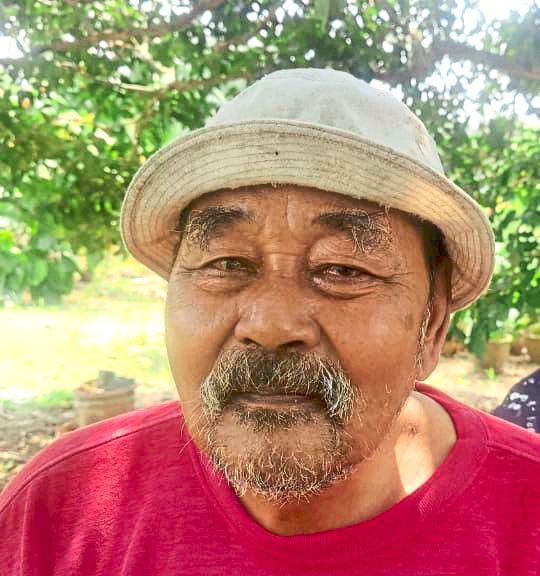
At the same time, Zainuddin shares that traditional foods like nasi ambeng, tempe, tauhu and dishes made from tapioca leaves, alongside the rewang culture, are kept alive to this day, especially during weddings.
"The term rewang is also used by the wider Malay community now," adds the resident of Kampung Bukit Kerayong, Kapar.
For 41-year-old Suzana Abu Salem, a Bugis descendant from Jeram, Kuala Selangor, her ethnic heritage is far more than just an ancestral relic – it is her core identity.
"Among the elements we still hold onto are our spoken language, heritage food and the customs practiced during family gatherings and weddings.
"This culture also evolves alongside the local community, beautifully showcasing the diversity of Bugis heritage here in Malaysia," she says. — Sinar Harian/Media in Arms