TO children, “unity” may not be as complicated as we imagine.

Malaysia’s 2025 National Unity Index (IPNas) recorded a score of 0.701, up by 0.072 from 0.629 in 2022. Among all states nationwide, Kedah recorded the lowest score, at 0.593, which was classified as a moderate level of unity.
Yet a visit to SJK(C) Hoon Bong in Kota Kuala Muda, Kedah, presents a rather different picture on the ground.
The school currently has 55 pupils, 44 of whom are Malay. Despite the clear ethnic imbalance in the student population, the school has observed no obvious divisions or cliques among pupils. Instead, they interact naturally in the classroom, during group activities, sports competitions and co-curricular programmes, working together to complete tasks.
The school believes that a Chinese primary school is itself a meeting point for different cultures. Growing up in such an environment, pupils gradually come to see mutual understanding and respect as part of everyday life.
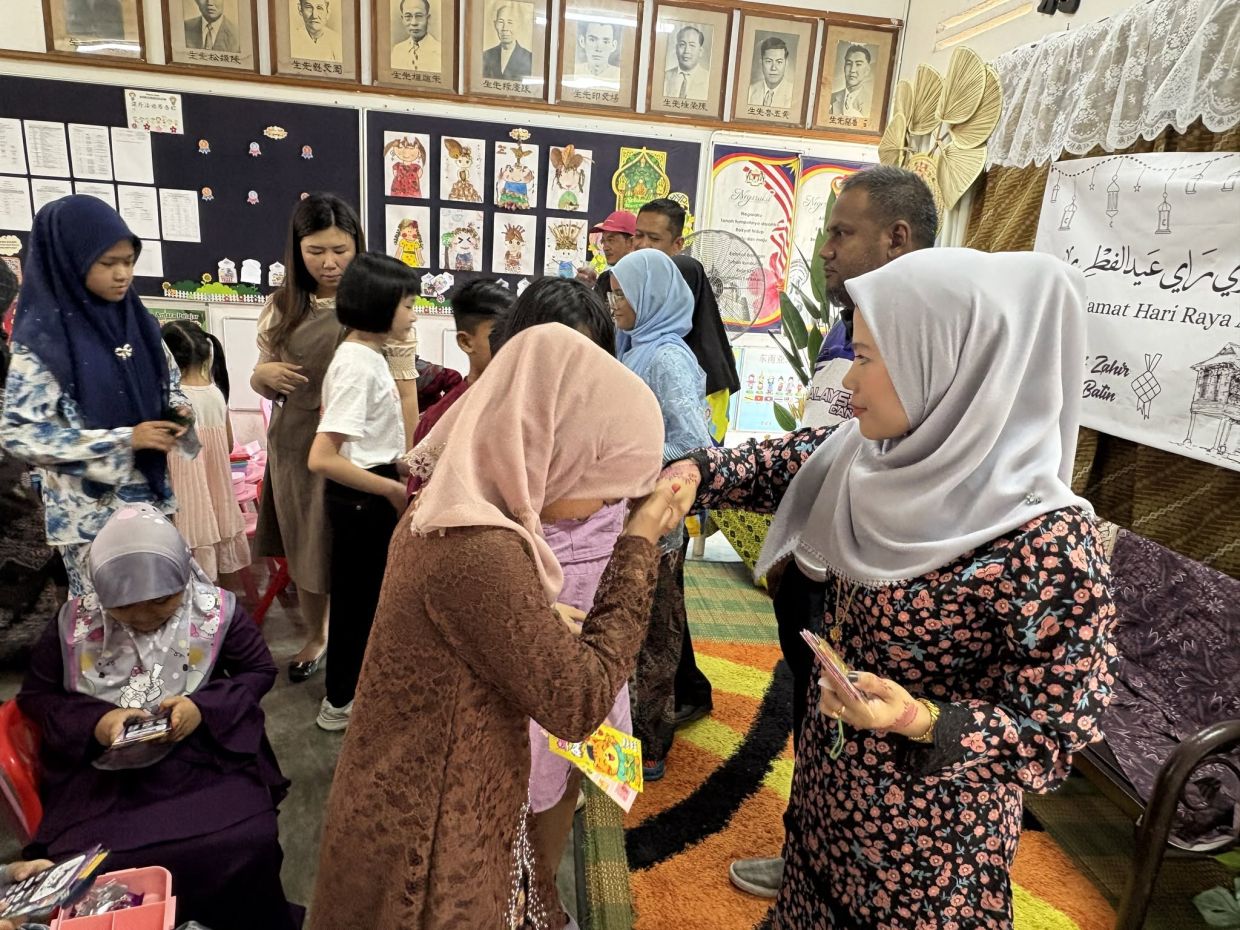
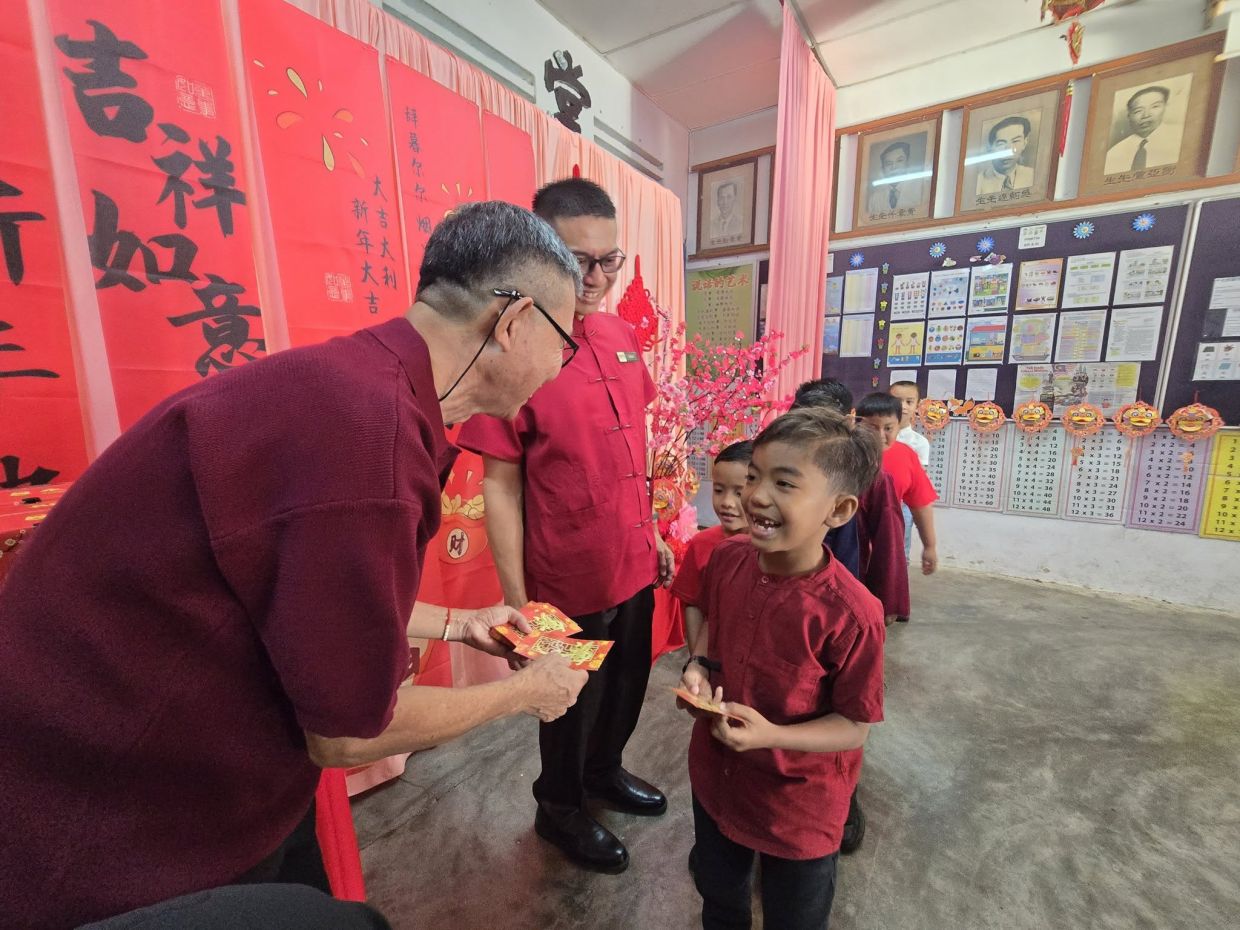
During Chinese New Year this year, Malay pupils took the initiative to learn how to say “Happy New Year” and “Gong Xi Fa Cai” in Mandarin to teachers and classmates, and also took part in a lion dance experience. During Hari Raya Aidilfitri, Chinese pupils helped decorate the celebration venue while learning about the significance of the festival.
These seemingly simple interactions make “unity” more than just a concept in a report, they turn it into something lived out in everyday school life.
The school has observed that children are often more accepting of differences than adults. When they play, study and prepare activities together, they do not deliberately emphasise one another’s ethnic identities.
“Children do not magnify their differences. What they care about more is: ‘What are we doing together?’”
This simple way of getting along also shows that ethnic diversity does not necessarily create distance between people. What matters is whether people from different backgrounds are given enough opportunities to live, learn and work together.
The National Unity Index has continued to rise in recent years, but genuine unity perhaps cannot be measured by numbers alone. Colleagues in cities can work together, neighbours can help one another, friends can eat, exercise and celebrate festivals together, while children at school learn every day how to understand and accept one another through their interactions.
As highlighted in the National Unity Index report, the existence of social connections is only the first step. More important is improving the quality of those interactions and building deeper understanding and trust.
Perhaps, to children, the idea of “us” was never that complicated to begin with.
What ethnic group you belong to does not matter. What matters is – what did we do together today? — Sin Chew Daily/Media in Arms
Living diversity
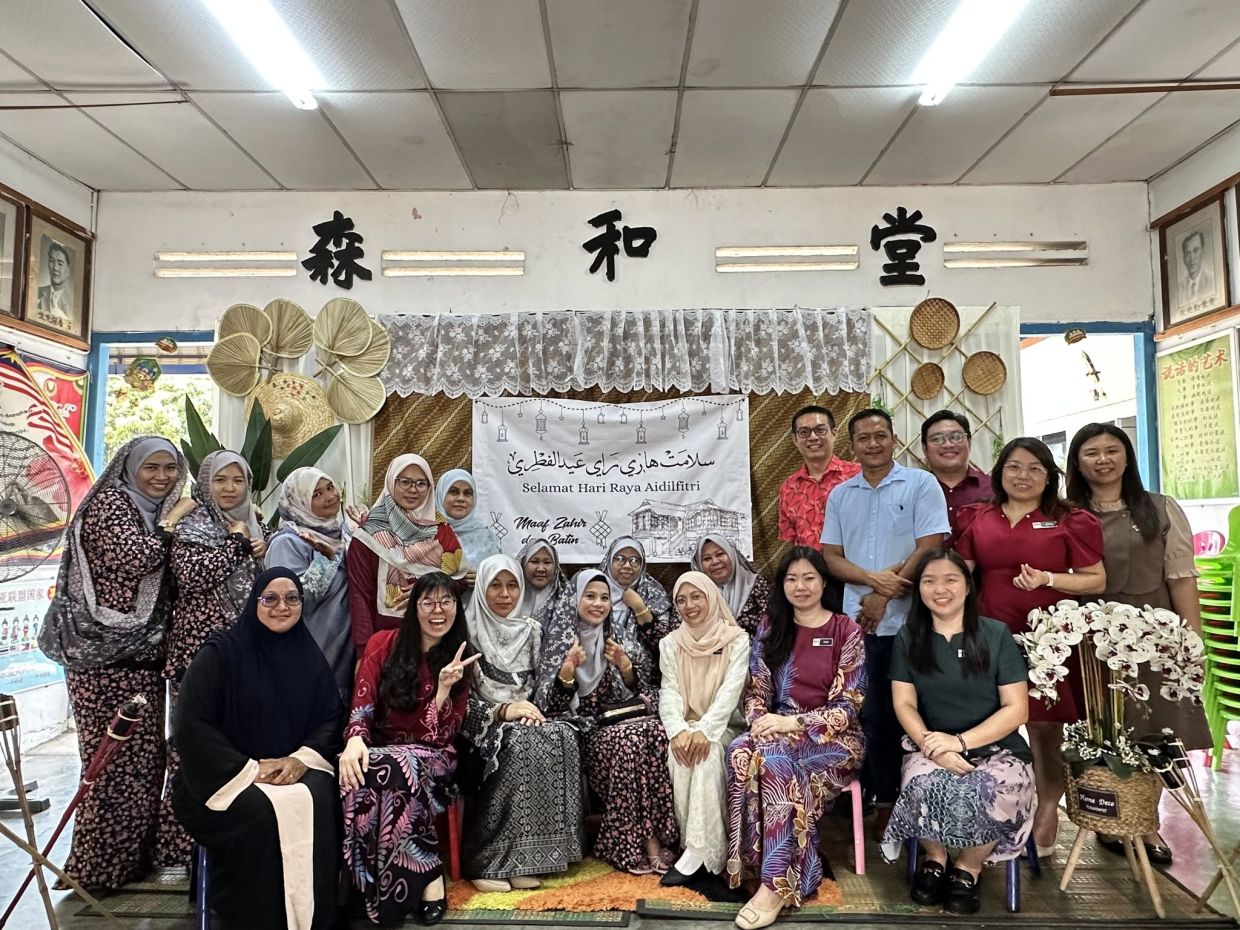
SJK(C) Hoon Bong currently has 55 pupils, 44 of whom are Malay.
Hari Raya is also celebrated together at the school.
During Chinese New Year this year, Malay pupils took the initiative to learn how to say 'Happy New Year' in Mandarin to teachers and classmates, and also took part in a lion dance experience.