TENSIONS in the Gulf have flared once more, marking a dangerous turn in the US-Israel-Iran conflict. Retaliatory strikes and the effective closure of the Hormuz Strait have unsettled global markets further, raising questions about how far the shockwaves will travel – and how deeply they will filter into everyday life.
Malaysia’s reliance on imported refined fuel, food staples and industrial inputs leaves it structurally exposed to disruptions in the Gulf, with rising costs and delayed shipments already testing businesses and households. Some manufacturers have begun adjusting production schedules, while retailers are exploring alternative sourcing channels to stay ahead of potential shortages.
Yet the country has weathered past crises – from the Asian Financial Crisis of 1997-1998 to the Covid-19 pandemic in 2020 – by adapting quickly and leaning on its diverse economic base.
Authorities are not standing idle. Bank Negara Malaysia has flagged growth risks, while policymakers are exploring ways to cushion households and industries from sudden spikes in energy and food prices. The government’s ability to recalibrate subsidies, diversify suppliers and strengthen regional partnerships will be central to keeping the economy steady.
Across the economy, smaller adjustments are already taking shape. Households are rethinking consumption patterns, while businesses are trimming costs where possible – measured responses that reflect a capacity to absorb shocks without panic.
Present concerns and plans
Malaysia has been leveraging its ties with Iran to help resolve the blockage of Malaysian commercial vessels in the Strait of Hormuz, as revealed by Prime Minister Datuk Seri Anwar Ibrahim in April. However, will this escalation of hostilities threaten the partial relief we’ve had since Iran allowed Malaysian ships to pass?
Another current concern is how the closure of the vital shipping route will affect efforts to mitigate the conflict’s impact on supply chains and the Malaysian economy.
The key question now is what fiscal measures are being considered to stabilise Malaysia’s economy against the inflationary pressures triggered by the Hormuz shock.
Finance Ministry’s Treasury secretary-general Tan Sri Johan Mahmood Merican tells Sunday Star that the government’s response is guided by three priorities: safeguarding essential supplies for daily needs, providing assistance to affected parties based on need and ensuring subsidies remain within fiscal capacity.
“Fiscal measures will therefore remain focused and coordinated, including support for vulnerable households and businesses, enforcement against profiteering and supply leakages and fuel support for key sectors.”

He points out that monetary policy remains under the purview of Bank Negara Malaysia, while the Finance Ministry will continue to keep fiscal measures aligned with Malaysia’s commitment to responsible fiscal management in the medium term.
“Malaysia remains bound by the Public Finance and Fiscal Responsibility Act 2023, including the medium-term path to reduce the fiscal deficit to 3% of gross domestic product, bring federal government debt to 60% of GDP or below, and keep government guarantees within responsible limits.”
Allocation in action
Johan says that, unlike most countries, Malaysia has maintained affordable fuel prices for the majority of the population.
“This has incurred higher subsidy costs, whereby Petrol RON95 and diesel subsidies were only about RM700mil in January 2026 but increased to beyond RM5bil in April 2026. This intervention by the government has helped mitigate inflationary pressures on the people.”
At the same time, Johan stresses that higher subsidy spending will not come at the expense of critical public services such as healthcare and education.
He says fuel support also remains in place for key groups, including logistics operators, public transport providers, delivery riders, fishermen, smallholders and agricultural producers.
“In addition, the Budi Madani RON95 [Budi95] fuel subsidy programme has been implemented to ensure support continues to reach the vast majority of Malaysian motorists, with approximately 90% of total RON95 fuel volume consumed by eligible recipients.
“This reflects the government’s approach of protecting broad access for ordinary Malaysians while reducing leakages and ensuring subsidies remain fiscally sustainable.”
To sustain supply and subsidies, Johan says efforts must continue to refine delivery mechanisms, including stepping up enforcement and addressing leakages.
“For example, it is not sustainable that pump prices for diesel in Sabah and Sarawak are maintained at RM2.15 per litre when the unsubsidised price is more than double, prompting incentives for smuggling to industry and across borders where prices are much higher.
“The government nevertheless is committed to ensuring the people are able to access subsidised fuel, but in a way that is calibrated and reduces leakages due to smuggling and misuse by industry.”
On cost-of-living challenges, Johan highlights ongoing assistance programmes such as Sumbangan Tunai Rahmah (STR), the monthly Sumbangan Asas Rahmah (Sara), the RM100 one-off Sara Untuk Semua, Jualan Rahmah Madani, Jualan Agro Madani, as well as price control and anti-profiteering enforcement.
“For businesses, especially micro, small and medium-sized enterprises, support includes access to financing and working capital through facilities such as Bank Negara Malaysia’s RM5bil SME Stabilisation Relief Facility, SJPP’s RM5bil guarantee relief package, and over RM5bil available for microcredit,” he says.
Earlier this year, the government also introduced measures to reduce fuel consumption – its work-from-home policy for civil servants has saved 2.14 million litres of fuel and avoided RM4.2mil in subsidy expenditure since April 17, according to Chief Secretary to the Government Tan Sri Shamsul Azri Abu Bakar last month.
Long-term plans
Is there a long-term plan, or is the government formulating measures to mitigate future shocks?
Economic adviser to the Prime Minister Nurhisham Hussein tells Sunday Star that the impact of this crisis, while unprecedented in size and scope, is not entirely new to Malaysia.
“Some of our response mechanisms were put in place due to the lessons from the various crises Malaysia has suffered over the years,” says Nurhisham, who is also the Secretariat Head of the Crisis Management Task Force under the National Economic Action Council.
He notes that the establishment of Petronas followed the Arab Oil Embargo of 1973, while the development of domestic oil refining capacity came after the Iranian Revolution of 1979, which similarly disrupted global oil supplies.
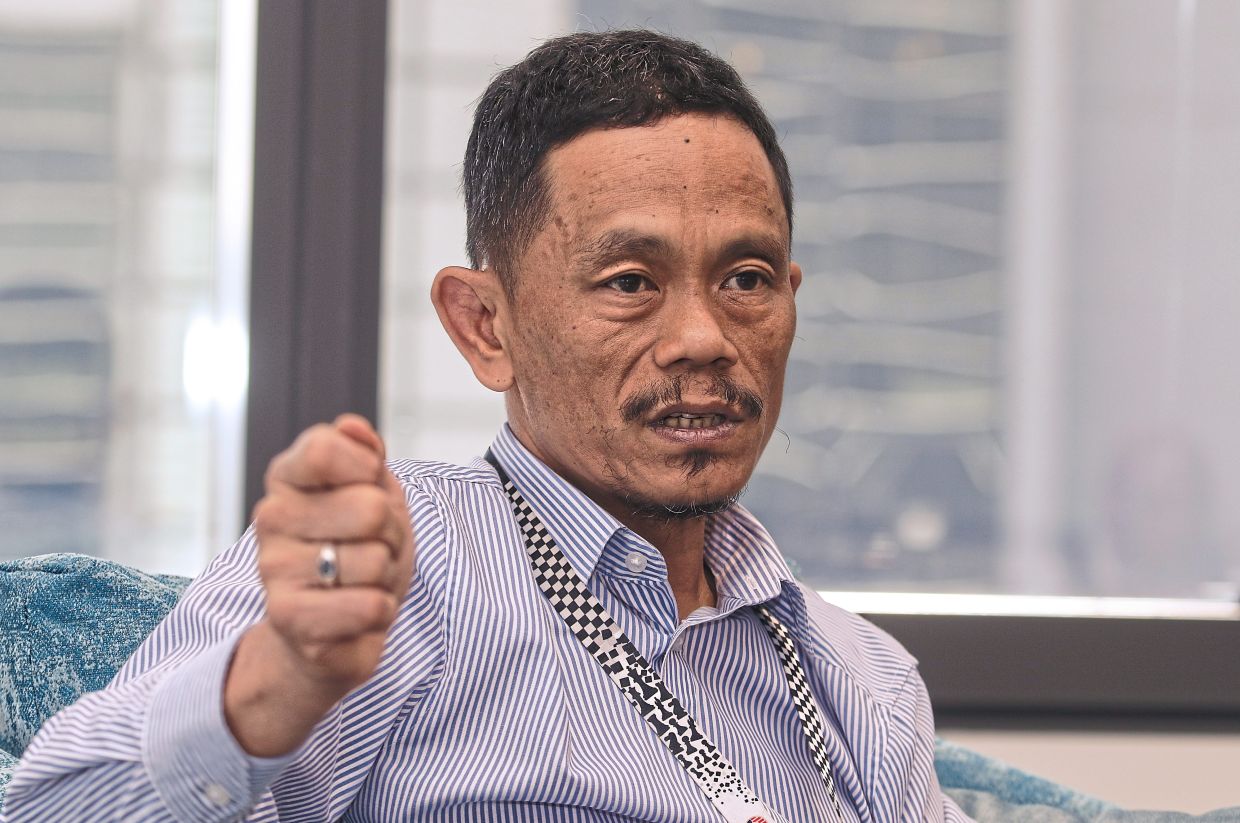
Nurhisham adds that the rapid response by the Investment, Trade and Industry Ministry, Health Ministry, and Agriculture and Food Security Ministry is partly rooted in institutional memory and capabilities built during the Covid-19 pandemic.
“Just as past crises have strengthened Malaysia’s crisis response mechanisms, the government has identified gaps and vulnerabilities in legal coverage, regulatory oversight and implementation capabilities that will be addressed in due course.”
He adds that supply chain fragilities are being studied so that mitigation plans can be developed to improve Malaysia’s economic resilience.
“The government is also working towards identifying potential economic opportunities that may arise from this crisis.”
On advice to Malaysians on managing savings, debt or investments amid volatility in global energy markets, Johan says the economy remains stable, with unemployment low and GDP growth at 5.2% for 2025 and 5.4% in the first quarter of 2026.
“Nevertheless, we need to be prepared due to the inherent uncertainties over the length and severity of the crisis and how it will impact supply chains of downstream oil and gas products such as agricultural fertilisers and petrochemicals used to manufacture everyday goods like plastic.”
He advises households to manage spending carefully, reduce wastage, avoid unnecessary debt and maintain flexibility in their monthly budgets to respond to unexpected developments.
“Those facing challenges, especially SMEs, should make themselves aware of restructuring options currently being offered by financial institutions, in addition to the new Bank Negara Malaysia and SJPP facilities that provide additional working capital.
“Affected SMEs should engage their banks or relevant agencies early to safeguard business continuity in the face of unexpected pressures.”
Media in Arms is a media collaboration comprising five mainstream media outlets: Chinese newspaper Sin Chew Daily, Malay daily Sinar Harian, local news broadcaster Astro Awani, Tamil newspaper Malaysia Nanban and The Star – which formed this initiative in February 2022 to share resources and collaborate on diversified news content.