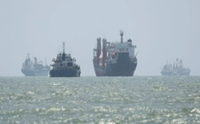
THE disruption at the Strait of Hormuz is beginning to filter into Malaysia’s economy, though its effects are not yet fully visible in daily life.
Bank Negara Malaysia’s growth forecast of 4% to 5% has been flagged as exposed to external risks, with global energy markets reacting sharply to the situation. As Malaysia depends on imported refined fuel and a significant share of its food supply, the impact extends beyond energy into broader cost structures.
Tanker traffic through Hormuz has reportedly fallen significantly, reducing the flow of Gulf oil and raw material exports. This is contributing to tighter supply conditions and longer delivery times, which are already being felt by some manufacturers managing production schedules.
For now, experts say businesses are largely absorbing the higher costs, and consumer impact remains limited. However, if disruptions persist, the effects could gradually become more apparent in prices, output and overall economic activity.
What’s different now?
While Malaysia is a relatively young country at 63 years old, this is not the first major oil shock it has faced – in fact, it is the third. But what sets this crisis apart from those in 1973 and 1979, when the then newly formed PETRONAS helped cushion the blow during the latter?
South-East Asian Futures Initiative Centre (Seafic) policy researcher and analyst Dr Mikhail Rosli says the current crisis is not purely about oil prices – it is a supply crisis.
He explains that, this time, the national oil company will not be able to cushion the impact in the same way it did before.
“In 1979, higher oil prices were a fiscal tailwind, with the windfall flowing straight to the government’s balance sheet. Today, the national oil and gas company still profits when oil prices spike. But the actual problem is not the oil price.
“The actual problem is that Malaysia depends on the Gulf for things that are not oil – naphtha for plastics, ammonia and urea for fertiliser, and LPG [liquefied petroleum gas] for petrochemicals. These flows either continue or stop, regardless of what PETRONAS earns.
“The simplest way to think about this is – PETRONAS can cushion the revenue problem, but it can’t cushion the supply problem.”

Does Malaysia’s position as a net exporter that heavily subsidises fuel change how the Hormuz shock plays out for households and businesses?
Mikhail says subsidies buffer prices, but do nothing for supply.
“Households will still feel the pinch from the supply side – food, packaging, anything that depends on Gulf chemicals or fertiliser. The subsidy doesn’t reach into any of that.
“For small businesses, it’s sharper, because their fuel for industrial use, fertiliser and logistics all move with global prices. But households won’t see movement at the pump – and that’s the subsidy doing its job.”
The cost, however, will show up on the government’s books instead of at the petrol station.
“I read an estimate by the Finance Ministry that the subsidy bill could reach RM58bil. To put that into perspective, you could fund a second Health Ministry for a year with that amount. If used for hospitals, it could build 80 to 100 major facilities.”
Looming and hidden problems
How bad could it get? Mikhail says the country is “much closer to the line than people realise”, with the government working to prevent a price shock.
He notes that while Malaysia is expected to remain well-supplied with food and fertilisers for the rest of the year – alongside efforts to secure 90% of fuel needs for July, as highlighted by Prime Minister’s Office senior director (economy and finance) Nur-hisham Hussein – the real pressure point lies in manufacturing.
Industry players, including the Federation of Malaysian Manu-facturers, have identified around 60 items used in production that could face shortages.
“So I don’t think the first sign will be empty shelves. It will be substitutions – different packaging, different materials – and firms quietly changing how they operate.”
Sunway University economics professor Dr Yeah Kim Leng says the hidden risks lie in shortages of fuels and critical raw materials across industries.
“They range from plastics, packaging, fertilisers and food to medical supplies, electronics, consumer goods, chemicals and machinery.”
Without these inputs, he says, industries may cut production or shut down if supplies fail to arrive or costs become unsustainable.
“Currently, the government has set up a crisis committee to monitor and address supply issues, including helping industry players secure alternative sources quickly and pursuing government-to-government arrangements for critical inputs.”
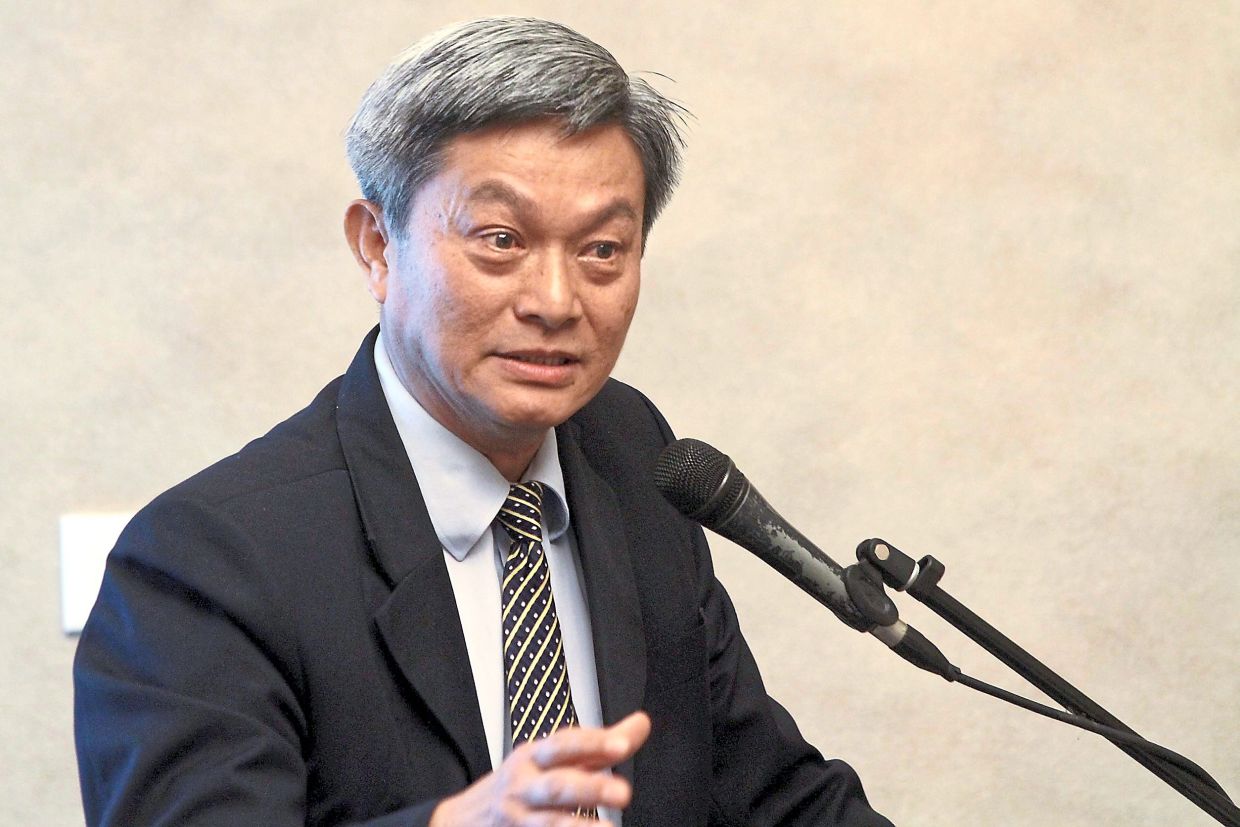
Centre for Market Education chief executive officer Carmelo Ferlito agrees that many sectors that seem unrelated to oil are, in fact, deeply connected through supply chains.
“The risk is not only for the price of petrol at the pump. It is the cumulative effect of higher energy costs across production, storage, transport and distribution.”
Better understanding
Ferlito says public understanding is crucial, as economic shocks do not disappear simply because prices are hidden.
“If fuel prices are artificially suppressed, the cost is still paid elsewhere – through the budget, public debt, taxes, reduced fiscal space or weaker public services.”
He stresses that awareness helps households and businesses make better decisions.
“If people understand that a pump subsidy does not eliminate the shock but only hides part of it, they can prepare more realistically.
“They can adjust spending, review costs and avoid being surprised when indirect costs emerge in food, transport, packaging and services.
“A population that understands price signals is also less vulnerable to populist narratives. People are more likely to accept reform if they understand that the choice is not between ‘cheap fuel’ and ‘expensive fuel’, but between transparent, targeted support and hidden fiscal burdens.”

Yeah echoes this, saying greater awareness of the severity and duration of the shock enables better preparation and resilience.
“Early warning and preparedness will help households and businesses reduce long-term economic scarring and declines in living standards, while positioning them for a faster recovery.”
Mikhail outlines three key reasons for awareness: reducing panic buying, building support for necessary reforms and preserving public dignity.
“Reforms needed to prepare for future crises are politically costly. They require public support – a willingness to accept short-term discomfort for long-term gain.
“And most importantly, dignity. People need to understand what they are facing. We should treat the public as adults and empower them with information.
“Otherwise, the trust deficit with government will only grow. Worse trust creates worse politics – and worse politics creates worse policies.”
Media in Arms is a media collaboration comprising five mainstream media outlets: Chinese newspaper Sin Chew Daily, Malay daily Sinar Harian, local news broadcaster Astro Awani, Tamil newspaper Malaysia Nanban and The Star – which formed this initiative in February 2022 to share resources and collaborate on diversified news content.