
THE prolonged Middle East conflict has left farmers grappling with soaring cultivation and transportation costs on top of supply chain disruptions.

Farmers interviewed by Sin Chew Daily complained that disrupted transportation, rising fertiliser prices, escalating land rental costs and inadequate government aid have pushed them into a dilemma of “only planting when prices are good, and not daring to plant when prices are low”.
Tensions in the Middle East and the blockade of Strait of Hormuz which have disrupted shipping routes has also significantly reduced exports of vegetables such as tomatoes and capsicums, says Cameron Highlands Vegetable Farmers Association president Datuk Chai Kok Lim.
Many cargo ships transporting goods to the Middle East that usually transit through Singapore and Port Klang to load food supplies have been unable to sail normally or forced to reroute, he explains.

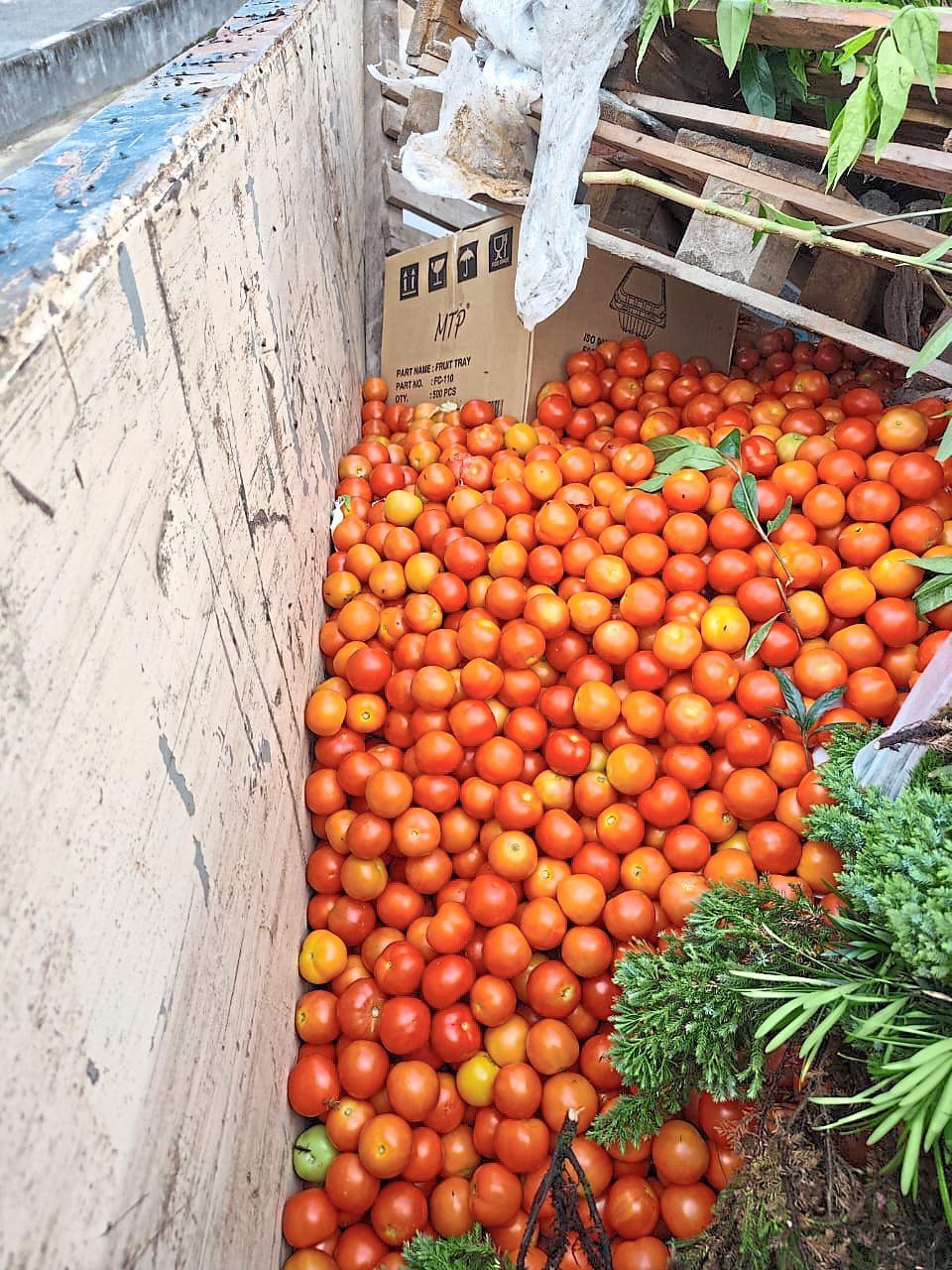
Chai points out that demand for tomatoes and capsicums in the Middle East is huge, but with shipping volumes declining, sales of Cameron Highlands tomatoes and capsicums have been severely affected, leading to oversupply, falling prices and the disposal of excess produce.
Adding that prices of leafy vegetables has also begun to decline, he urges the government to regulate imported vegetables as a long-term solution.
When local vegetable supply is sufficient, imports should be reduced so that farmers can better plan their cultivation activities, says Chai.
He notes that the market fluctuates according to seasons, such as during the durian season when fewer people buy vegetables.
“Another major issue is fertiliser. About 70% of the chemical fertilisers used by farmers are imported from the Middle East. If the war continues, shortages may occur. Currently, chemical fertiliser prices have already risen by 15% to 30%,” he says.
He adds that other farming-related materials, including agricultural canvas sheets and plastic bags used for vegetable packaging, have also increased in price by between 15% and 30%.
He urges the government to fulfil three key requests: reduce farmland rental fees, provide fertiliser subsidies and control imported vegetables.
He says paddy farmers currently enjoy subsidies, while vegetable farmers receive only RM200 per tonne, capped at RM1,000, which he describes as merely “a drop in the ocean” and insufficient to resolve the issue.
Various operational costs
Another issue that affects farmers is the land rental hike after the status of the agricultural land in Cameron Highlands was converted from Temporary Occupation Licence (TOL) farming land to land under the Pahang State Secretary Corporation (PSK).
Due to this change, farmers no longer apply directly to the land office for TOL permits. Instead, farmland is leased to them through intermediaries, namely Pahang-linked companies.
As farmers are now unable to apply for land titles, they have to instead farm under a 3+2 year-leasing arrangement, totalling five years, while also bearing land surveying costs themselves.
“Previously, rental was only RM2,000 per ha annually. Now it is RM4,500 per acre per year, meaning rental costs have surged several times over,” he laments.
Cameron Highlands Agricultural Association chairman Cheng Nan Hong meanwhile points to the increases in diesel as well as petrol and electricity tariffs that have doubled, putting a burden on farmers who rely heavily on pickup trucks, diesel engines, fuel and generators for farming and transportation.
“About 90% of the fertilisers used by farmers are imported, including AB and CM fertilisers used in hydroponic farming. Around 80% of farmers use chemical fertilisers, while only 20% use local chicken manure fertilisers,” he says.

He points out that under rising operational costs, farmers can only continue if vegetable prices remain favourable.
Otherwise, they would not dare to plant for fear of losses, especially when minimum wages for foreign workers have already reached RM1,700.
According to Cheng, hydroponic vegetables have been hit the hardest, particularly green coral lettuce, with many farmers now reluctant to continue planting.
“Between February and early March, the weather in Cameron Highlands became hotter, greatly affecting hydroponic crops. Hydroponic farming also depends heavily on diesel and electricity, so with costs surging, many farmers have stopped cultivating hydroponic vegetables,” he said.
Due to supply shortages, prices of green coral lettuce at supermarkets have risen by 100%, reaching RM4 to RM5 per kg at farms, compared with RM2 previously, while retail prices now range between RM7 and RM8 per kg. In contrast, soil-grown vegetables such as choy sum and bok choy have not seen price increases.
He adds that farmers had been disposing of tomatoes for the past two to three weeks after farm prices plunged to between 30 sen and 50 sen per kg.
However, prices have since recovered to above RM1 per kg. Cabbage prices have also rebounded.