The growing sense of global instability – from wars in the Middle East and Ukraine to climate change and natural disasters at home – is hitting closer to home for Malaysians than some might think, with a rising number already preparing for worst-case scenarios, go-bags in tow.
“TO tell you the truth, I am always ready. But I keep it on the down low, otherwise my boss and colleagues will think that I am going crazy,” says a 26-year-old computer technician who only wants to be known as Nazri.
Glancing left and right to make sure he does not spot any familiar faces, Nazri, who lives in Kuala Lumpur, shows the gear and food stored in his medium-sized go-bag – water filters, masks, energy bars, power banks and a folded mini tent, among others.
“I hope these would be enough if anything happens. I have faced floods here and in other states, and I was ill-prepared. And now, if you take a look around the world, riots and wars such as those ongoing in the Middle East are taking place. I want to be ready for that as well.”
Nazri is among a growing number of Malaysians preparing for the possibility of disasters, riots and conflicts – events more commonly seen in other countries – unfolding closer to home. Calling themselves “preppers”, this mindset of readiness is reflected in their lifestyle: many keep a go-bag in their cars or carry essential tools on their person at all times.
There are also various social media groups dedicated to educating the public on preparedness; one is said to have nearly 100,000 followers, suggesting that interest in the movement is growing.
The prepper trend, as some observers describe it, is not unusual globally. In Denmark, for example, there were reports last year of increased purchases of survival gear – including radios, generators and canned food – after several drones entered restricted airspace and forced the temporary closure of Copenhagen Airport, sparking fears of prolonged transport disruption due to infrastructure vulnerabilities.
Back home in Malaysia, such concerns remain sporadic but are not unfounded. The Civil Defence Force tells Sunday Star that it is currently identifying shelters for the public in the event of riots or conflict, while lauding those who put efforts in preparing their go-bags for any eventuality.
But while the negative public perception has changed somewhat, some have questioned whether preppers are driven by a desire for a better-prepared future, or if their efforts are edging into paranoia.
At a moment’s notice
So how prepared are Malaysians in general?
Nik Muhammad Hafiz, 46, a seasoned prepper who runs the Urban Preppers Malaysia (Upmy) page on Facebook, says Malaysians are largely unprepared, especially in urban settings.
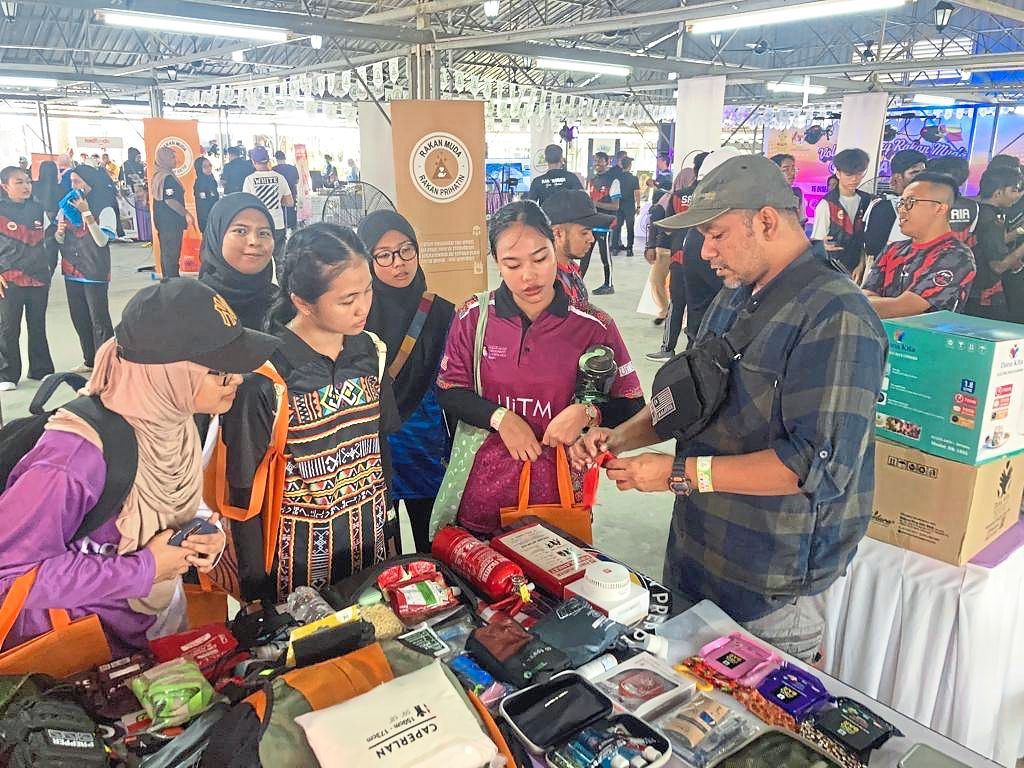
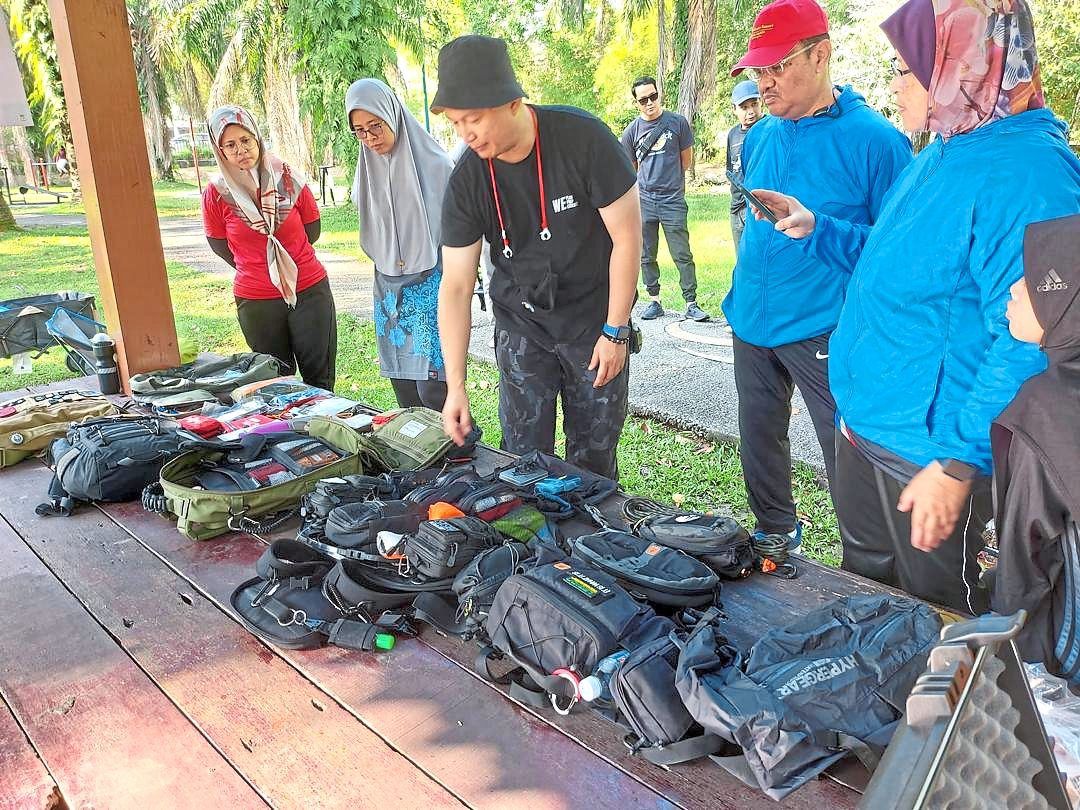
Upmy is one of the more well-known prepper communities in the country, and occasionally conducts training for members and even school students on preparedness skills.
“Many families do not have even a basic emergency kit, let alone a structured plan. Preparedness is often misunderstood – people associate it with extreme scenarios or ‘doomsday prepping’, when in reality, it’s about everyday resilience.”
However, that is not to say survival skills are being overlooked.
“Awareness is growing. After each crisis, especially during floods, we see a spike in interest. People start asking the right questions: ‘What should I prepare?’ ‘How do I respond?’ The challenge now is shifting from awareness to action. Preparedness needs to be normalised as part of urban living, like having insurance or savings.”
Nik Muhammad says that in the early days, much of such knowledge was self-taught – people learned from online resources, global prepping communities and personal research.
“However, this has evolved. Today, there are structured workshops, community-led training and hands-on programmes designed specifically for Malaysian environments.”
He says the lessons taught centre on practicalities – what to do during a flood, how to react in a fire, and how to manage without power or water.
“At Upmy, we conduct sessions on emergency response, basic life support, disaster readiness, and family preparedness – not just theory, but actionable skills. We’ve worked with schools and communities to bring these skills to everyday Malaysians.”
Nik Muhammad points out that urban survival knowledge is no longer a niche skill.
“It’s becoming a basic life competency. Over the past few years, Malaysians have faced back-to-back disruptions: major floods, rising cost of living and public health crises.
“Unlike 10 years ago, our urban systems today are more interconnected and fragile – when one part fails, like logistics or utilities, the impact is immediate and widespread. Survival knowledge helps individuals and families stay functional even when systems temporarily break down.”
The official message
Is there any official guideline for the public on how to prepare themselves for emergencies like war, riots or floods?
Unknown to many, that is a task shouldered by the Civil Defence Force (APM), which guides the public on survival skills by equipping them with the necessary knowledge in the event of disasters or unrest.
This is carried out in accordance with the Civil Defence Act 1951 (Act 221), which outlines APM’s responsibility to protect civilians and provide assistance during emergencies, disasters and dangerous situations.
“The APM provides official guidelines to help the public prepare for emergencies such as disasters, riots or other dangerous situations,” the agency said via e-mail in reply to questions.
“Under this Act, the APM is also responsible for educating the public and providing guidelines on how to prepare for emergencies [war, riots or disasters].”
ALSO READ: Gearing up for emergency shelters
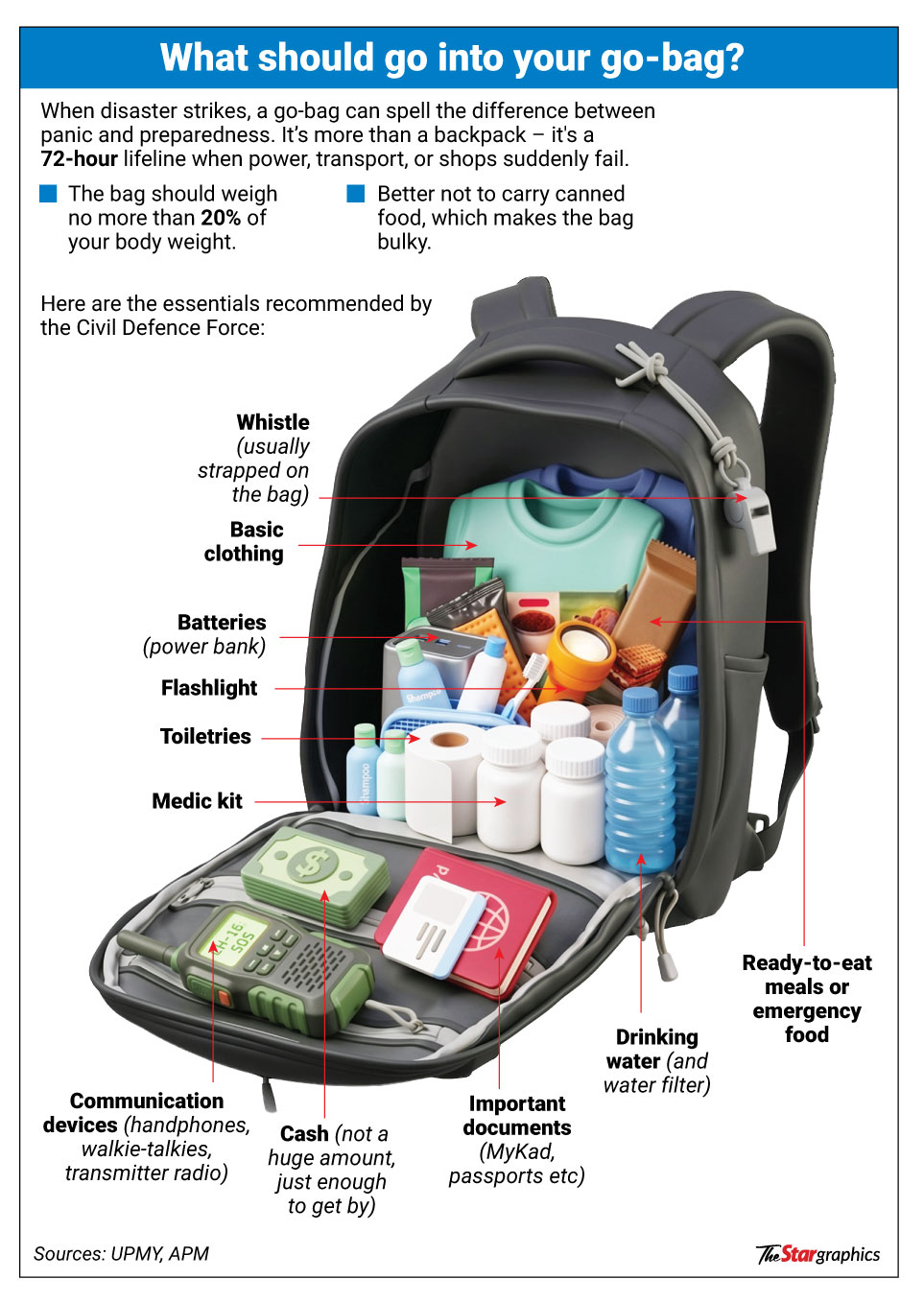
The APM also lauds efforts by urban preppers, noting that it has long promoted the concept of a “ready-to-go bag”, or go-bag, to the general public.
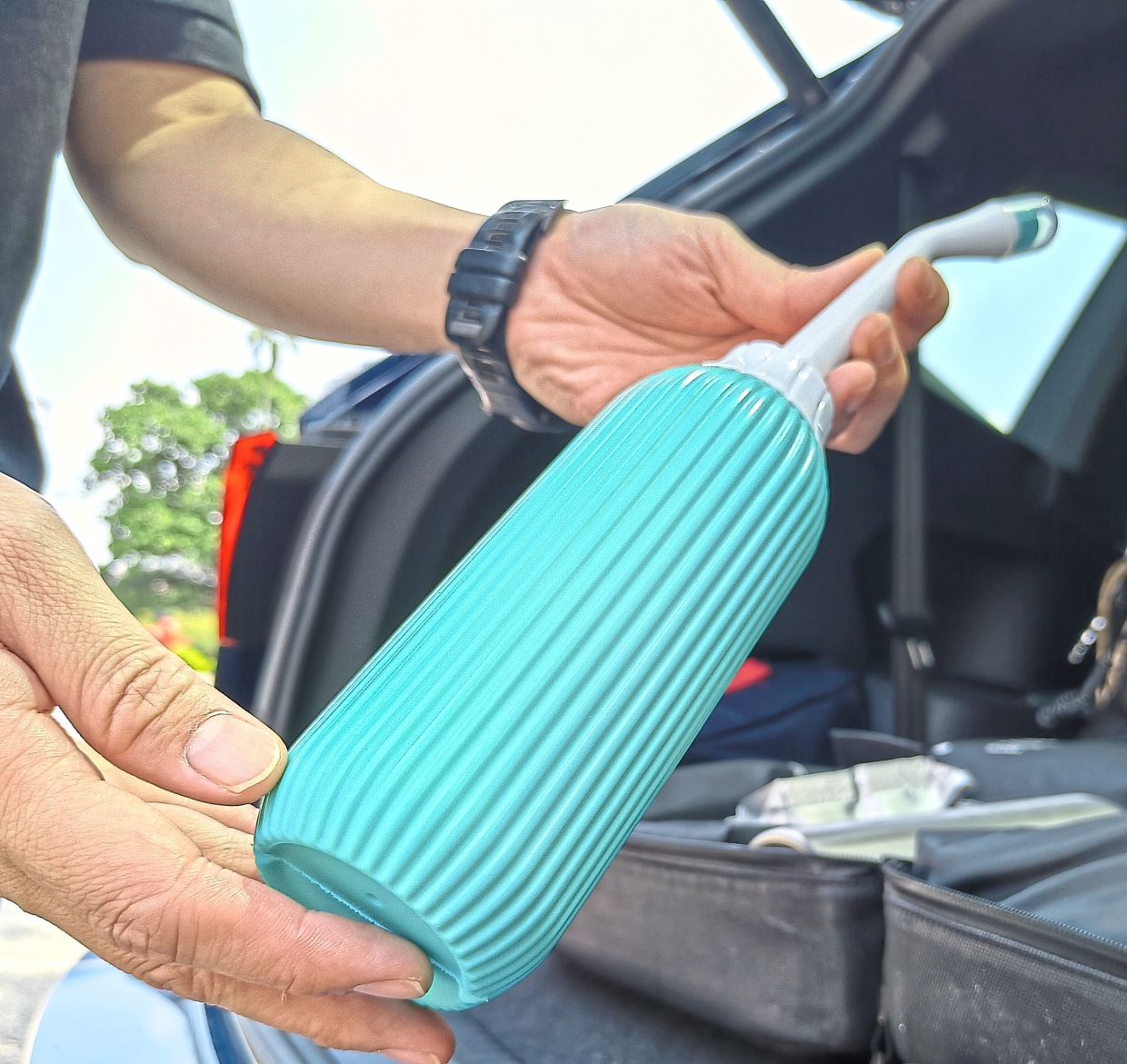
It says a go-bag should contain important documents such as birth certificates, passports and bank cards, along with a power bank and charging cables, as well as basic survival tools such as a flashlight, a multi-tool and a whistle.
It should also include some cash, a basic first aid kit, medication and personal hygiene items, bottled water, ready-to-eat meals and a change of clothes, it said.
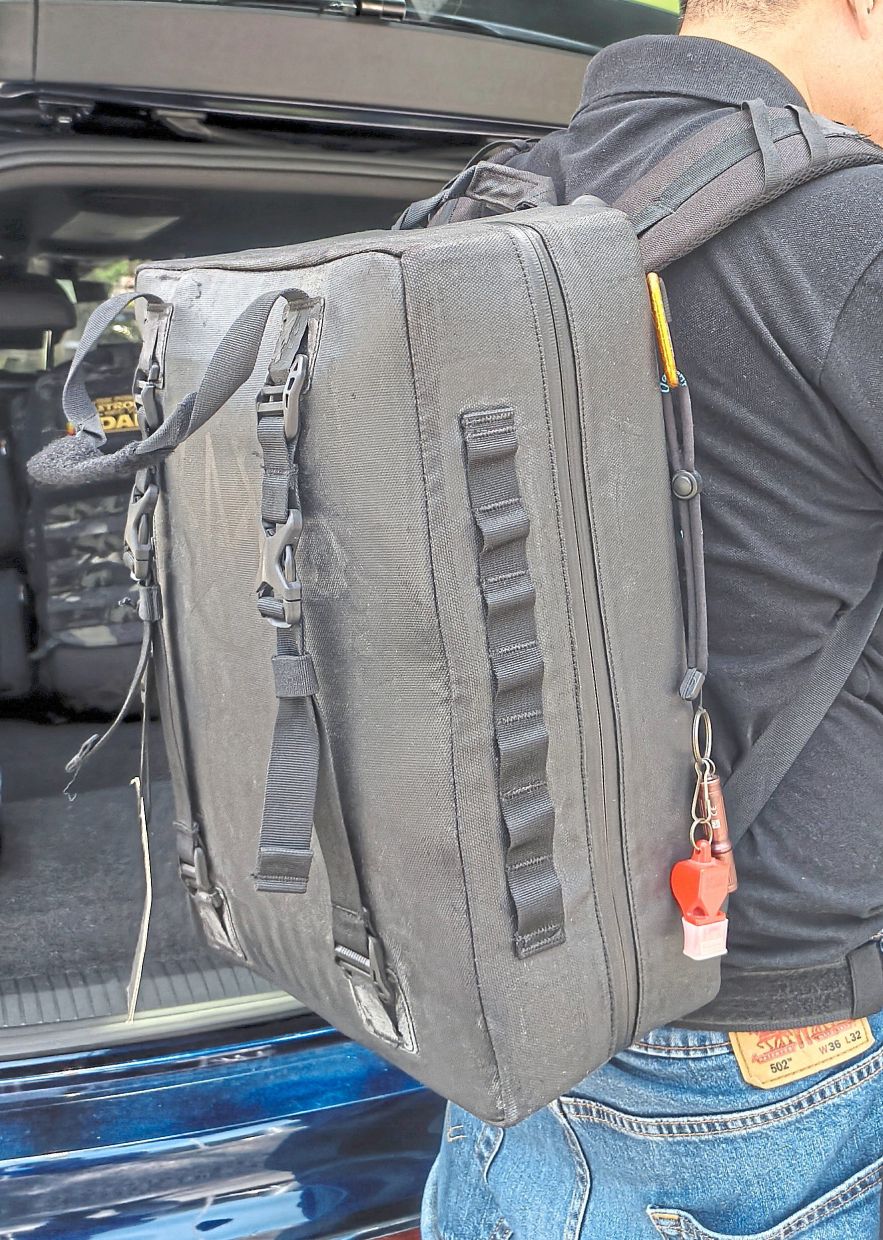
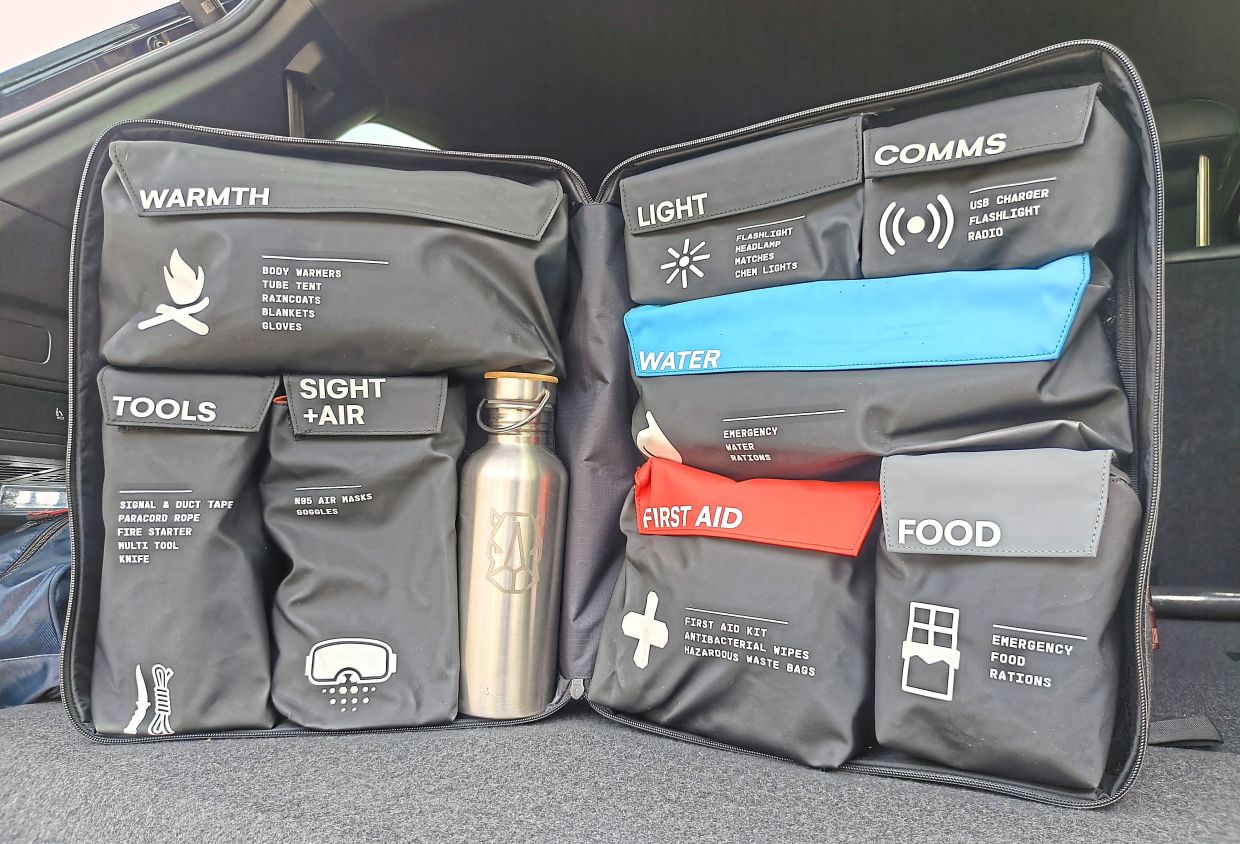
"Having a go-bag has been proven to lower stress for disaster victims, because their basic survival needs have already been met – they can just grab and leave, especially those who live within disaster- prone areas.”
APM says the contents of a go-bag should meet the basic needs for someone to survive on his/her own, at least until rescue teams arrive.
“The principle that one must adhere to is portability. The bag should never be a burden to the owner. It is encouraging to see Malaysians becoming more aware of the importance of being self-sufficient during disasters.
“In general, each person or family will have their own priorities and needs – what is crucial to have and what is not.”
Prepared or paranoid?
Still, some continue to see preppers solely as “paranoid doomsday cultists”.
Prof Dr Rozainee Khairudin, who is the Mental Health and Well-being Impact Lab director at Taylor’s University, says there is a difference between excessive fear and healthy caution, which lies in how people think about and interpret threats.
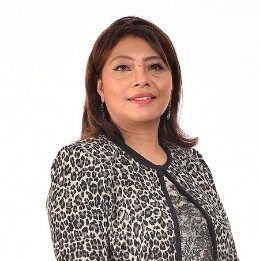
She highlights that while fear is a natural and protective response, thoughts, perceptions and cognitive biases shape it.
“Healthy caution is based on a more balanced and realistic appraisal of risk. People can evaluate information accurately, remain flexible in their thinking, and take practical steps to prepare without becoming overwhelmed.
“In contrast, excessive fear is often driven by cognitive distortions, such as catastrophising, overestimating danger, or focusing selectively on negative information. Biases like the availability heuristic [or availability bias] can also make threats feel more likely than they actually are, especially when we are repeatedly exposed to alarming news.”
She says these patterns of thinking can amplify fear beyond the actual situation, leading to increased anxiety, poor decision-making or panic-driven behaviour.
“So the issue is not fear itself, but how our cognitive processes shape that fear. When our thinking is balanced, fear helps us prepare. When it is biased or overly negative, fear can become disproportionate and unhelpful,” she says.
Survival preparation can also strengthen resilience while increasing anxiety, depending on how a person’s thinking systems are engaged, she adds.
“We have a fast, intuitive system that detects threats and pushes us to prepare, and a slower, more rational system that helps us evaluate risk and set boundaries.
“When the fast, threat-driven system dominates for too long, the body stays
in a constant state of alertness, which
can actually elevate stress and anxiety over time.
“But when these systems are balanced, prepping can increase confidence and resilience.”
At what point then does survival planning begin to interfere with normal daily routines, relationships or work?
Prof Rozainee says it becomes problematic when it starts to disrupt daily functioning – at that point, the issue is no longer just preparedness, but how the individual is thinking about the threat.
“Excessive planning is often driven by cognitive biases and negative thinking patterns, such as expecting the worst, overestimating risk, and an attentional bias towards threatening information.
“Individuals with more negative or threat-focused schemas may also be more likely to interpret uncertain situations as dangerous, leading them to repeatedly anticipate worst-case scenarios.”
She says when these cognitive patterns dominate, survival planning can become rigid, excessive and anxiety-driven, rather than practical and adaptive.
“The point where it becomes a problem is when fear starts to distort how we see danger and begins to interfere with daily life.”
Her advice to urban residents who want to be prepared without letting fear or paranoia take over their lives?
“It is absolutely good to be prepared. That is part of our instinct to stay safe. The key is not letting that instinct take over our thinking, while also taking care of our mental health and well-being.
“When we constantly assume the worst or stay in a state of being on high alert, it can create unnecessary stress and start to interfere with daily life. So, my advice is to prepare in a practical and balanced way, then allow yourself to switch off and trust that you have done enough.”