THE Civil Defence Force (APM) has been steadily expanding its outreach to ordinary citizens through a structured training initiative known as the Local Engagement Approach on Disaster and Emergency Response (Leader).
Designed to build grassroots resilience, the programme equips communities with practical skills to respond effectively in emergencies, from everyday accidents to large-scale disasters or conflict situations.
At its core, Leader focuses on accessible, hands-on public training.
“This includes essential lifesaving skills such as cardiopulmonary resuscitation (CPR), choking response techniques, basic emergency rescue methods and introductory firefighting. These sessions are tailored for the general public, ensuring that even those without prior experience can quickly grasp critical interventions during the crucial first moments of an incident,” APM says.
Beyond general training, APM also targets specific communities through Local Population Training modules.
“These incorporate Community-Based Disaster Risk Management (CBDRM), helping residents identify risks in their own areas, understand disaster timelines and participate in simulation-based ‘disaster imagination games’.
“The aim is to move beyond theory, encouraging communities to think through real-world scenarios before they happen.”
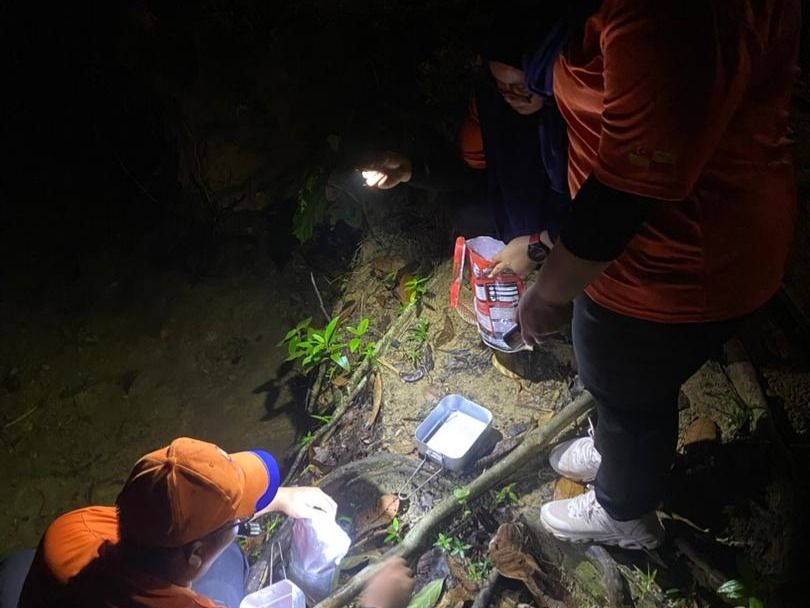
The APM also emphasises community roles as the first line of defence in any disaster or emergency. Preparedness, it says, begins at the neighbourhood level, with residents encouraged to actively identify risks and threats within their own surroundings as a basis for planning.
At the household level, APM recommends several basic steps.
“These include preparing a go-bag, undergoing first aid training and identifying nearby temporary evacuation centres. Such measures, while simple, are critical in ensuring families can respond quickly and independently in the early stages of a crisis.”
Communities are also urged to organise themselves more formally by establishing Local Emergency Response Teams, known as Civil Defence Auxiliary Emergency Response Teams (CDA-ERT) – these teams act as immediate responders within neighbourhoods, bridging the gap before official assistance arrives.
“Training remains a key pillar of this approach. APM encourages communities to engage directly with the agency to organise programmes such as Community-Based Disaster Risk Management (CBDRM), first aid and CPR.
“These sessions help build a shared baseline of skills, ensuring coordinated and effective responses during emergencies.”