FOR many urban preppers, survival is not just about gear or stockpiles – it begins with a plan.
Nik Muhammad Hafiz, 46, who runs the Urban Preppers Malaysia (Upmy) Facebook page, stresses that without clear direction, even the most well-intentioned efforts can fall short. Preparation, he says, must start with understanding risks and needs, not impulse purchases.
Planning helps define priorities. Individuals need to identify relevant risks – such as floods, power outages or evacuation – and consider who they are preparing for, including children or elderly family members.
“When you plan first, every item you prepare has a purpose,” he says.
Nik Muhammad adds that managing supplies is just as important as acquiring them. Within Upmy, members are encouraged to adopt disciplined systems to maintain readiness over time.
One such system is FIFO (First In, First Out), where older supplies are used before newer ones to prevent expiry and waste.
“Food, water and medical supplies must be rotated regularly. Prepping is not about stockpiling blindly – it’s about sustainable readiness,” he says.
He notes that a well-planned system ensures supplies remain usable and resources are not wasted.
On technology, Nik Muhammad says it has made preparedness more accessible, with tools such as weather alerts and emergency apps widely available.
However, he cautions against overdependence on digital systems, noting that failures can occur during crises.
“Urban preppers take a balanced approach. We leverage technology, but we don’t depend on it,” he says.
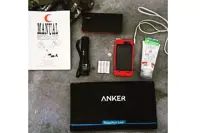
This includes maintaining offline alternatives such as printed contacts and maps, manual tools and having basic navigation skills to ensure functionality even without digital support.
Meanwhile, Prof Dr Rozainee Khairudin, who is the Mental Health and Well-being Impact Lab director at Taylor’s University, says strong survivalist habits don’t necessarily make people more connected or isolated.
“It depends on their underlying mindset. If a person has a threat- oriented worldview and tends to mistrust others, those habits can reinforce isolation and being overly alert.
“However, if they have a more adaptive and resilient mindset, they may see preparedness as something to share, strengthening community ties. So ultimately, it’s less about the habits themselves and more about how individuals cognitively interpret risk, trust, and the role of others in coping.”