KATO Kenji arrived in Malaysia for work about a month ago.
While the 45-year-old Japanese executive’s busy schedule kept him from indulging in local events and attractions, he was nevertheless amazed when he caught glimpses of cultural shows during the recent Chinese New Year celebrations.
“I’ve seen many colourful celebrations. It is not that Japan does not have any of them. But here, you see people of different races coming together and wishing each other well.”
And of course, Kenji is particularly interested in the upcoming Hari Raya Aidilfitri, which is expected to take place this coming week. He has already booked a homestay spot in Sepang, Selangor.
“This is the first time I will be taking part in an Islamic celebration. This is also the first time for me to know that the date of some events is determined by the moon,” Kenji says, referring to the official practice of sighting the new crescent moon to mark either the start or the end of Ramadan, the latter giving way to the month of Syawal.
Kenji is among the visitors that Tourism Malaysia hopes to welcome for the festive seasons during Visit Malaysia 2026 (VM2026).
Tourism Malaysia estimates that more than six million tourists will arrive in the country between January and April this year, during which three major celebrations take place – Chinese New Year, Thaipusam and Hari Raya Aidilfitri.
These festivals form part of a wider effort to further promote homestays and kampungstays across the country, alongside new “edu-tourism” packages for students from China, Indonesia, Japan, Singapore, South Korea and Vietnam to experience Malaysian village life through student exchange programmes.
More than just guests
Basir Wagiman, who runs both homestay and kampungstay programmes in Sungai Pelek, Sepang, already has several “programmes” – or chores – waiting for his guests, especially on the eve of Hari Raya.
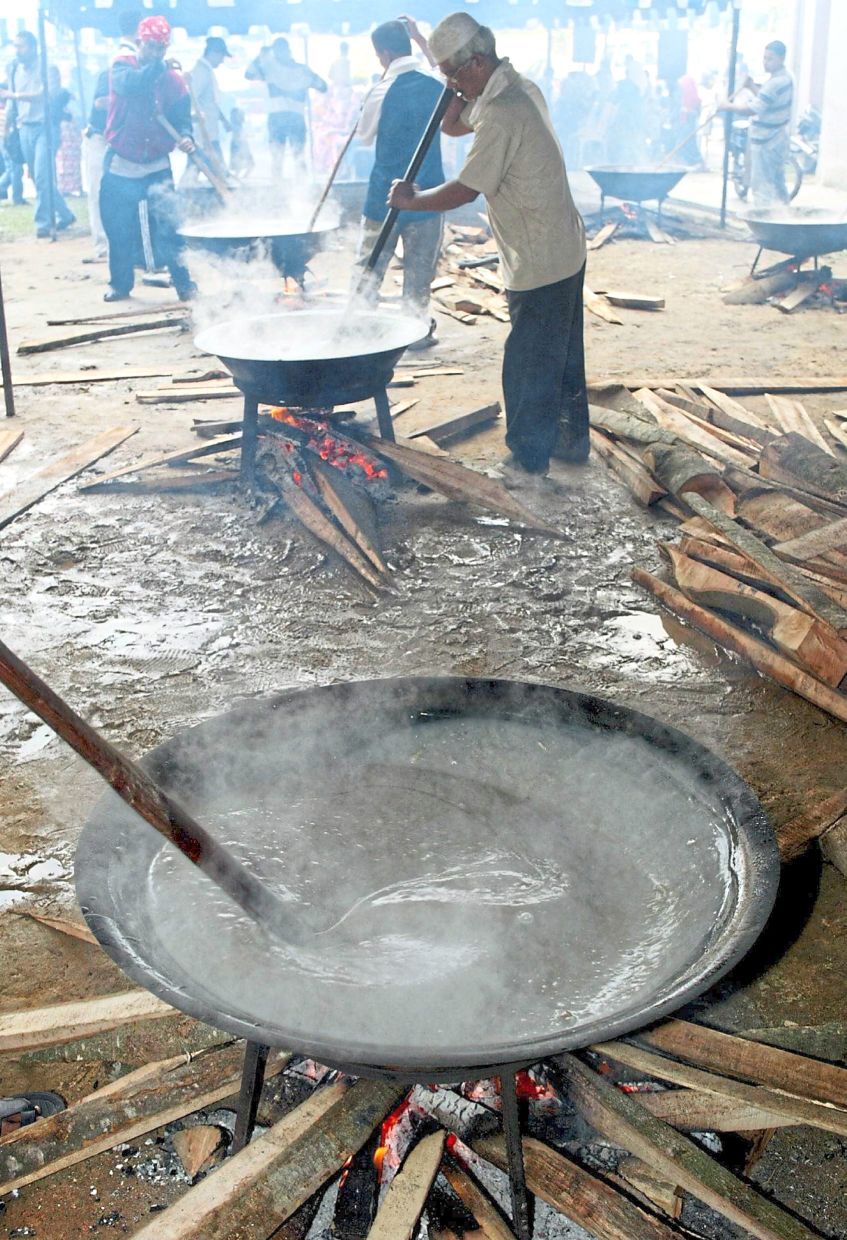
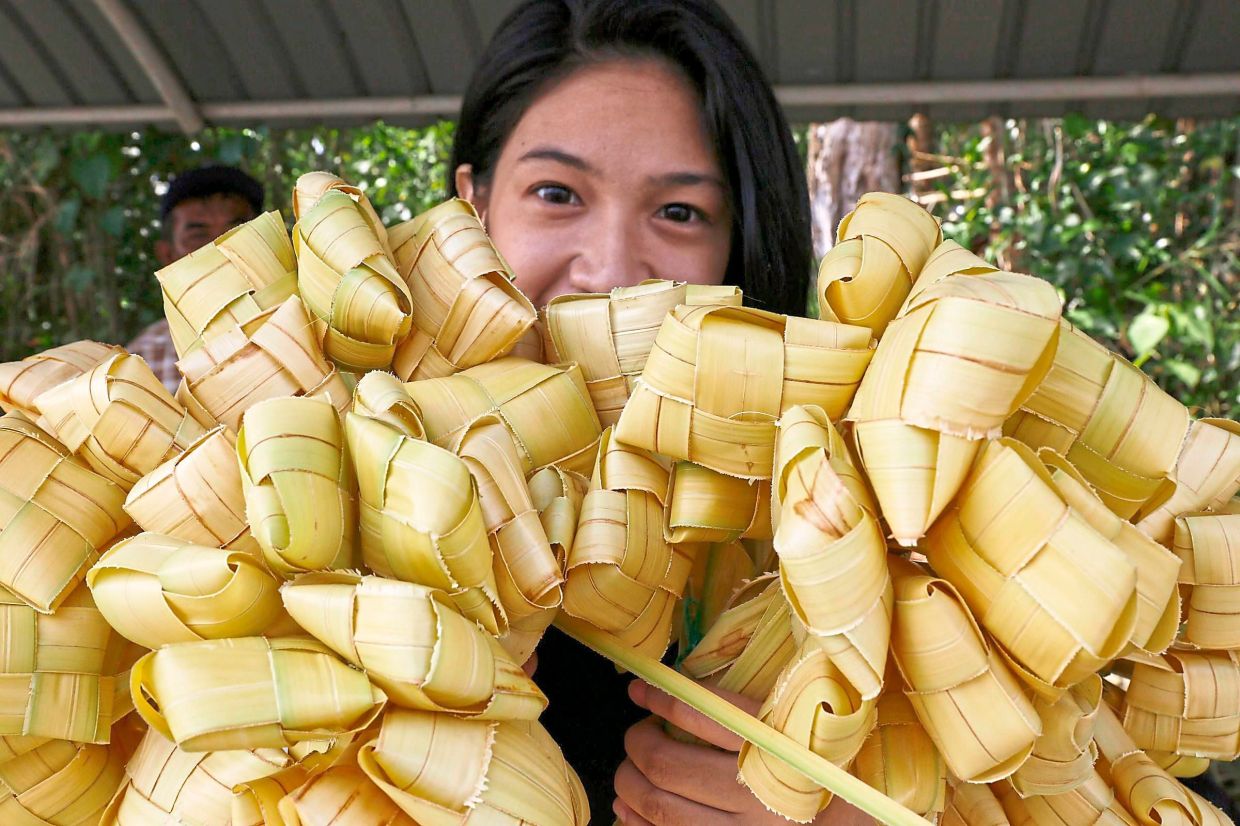
“Oh no, they are not here to watch TV. They are here to celebrate Hari Raya, which also means helping me with the preparations such as cooking traditional dishes like lemang and rendang.
“They are our family here. Not just guests.”
Basir says the programmes are designed to enrich visitors’ understanding of village life while giving them first-hand experience of living within a kampung community.
“First of all, we usually rope them in for preparation work. Among them is getting bamboo for the lemang, grinding ingredients for the rendang and so forth.
“They themselves are really interested to learn. For example, we had one guest who was eager to learn how to make sambal belacan,” says Basir.
Guests usually arrive a few days earlier to get to know their hosts, who in turn ensure they feel welcomed and become part of the village community.
“In my experience, most of those who come here are Japanese, especially students and families. They usually arrive in up to three buses and stay for about a week.”
During Raya, the hosts will typically take their guests to meet relatives during open house visits.
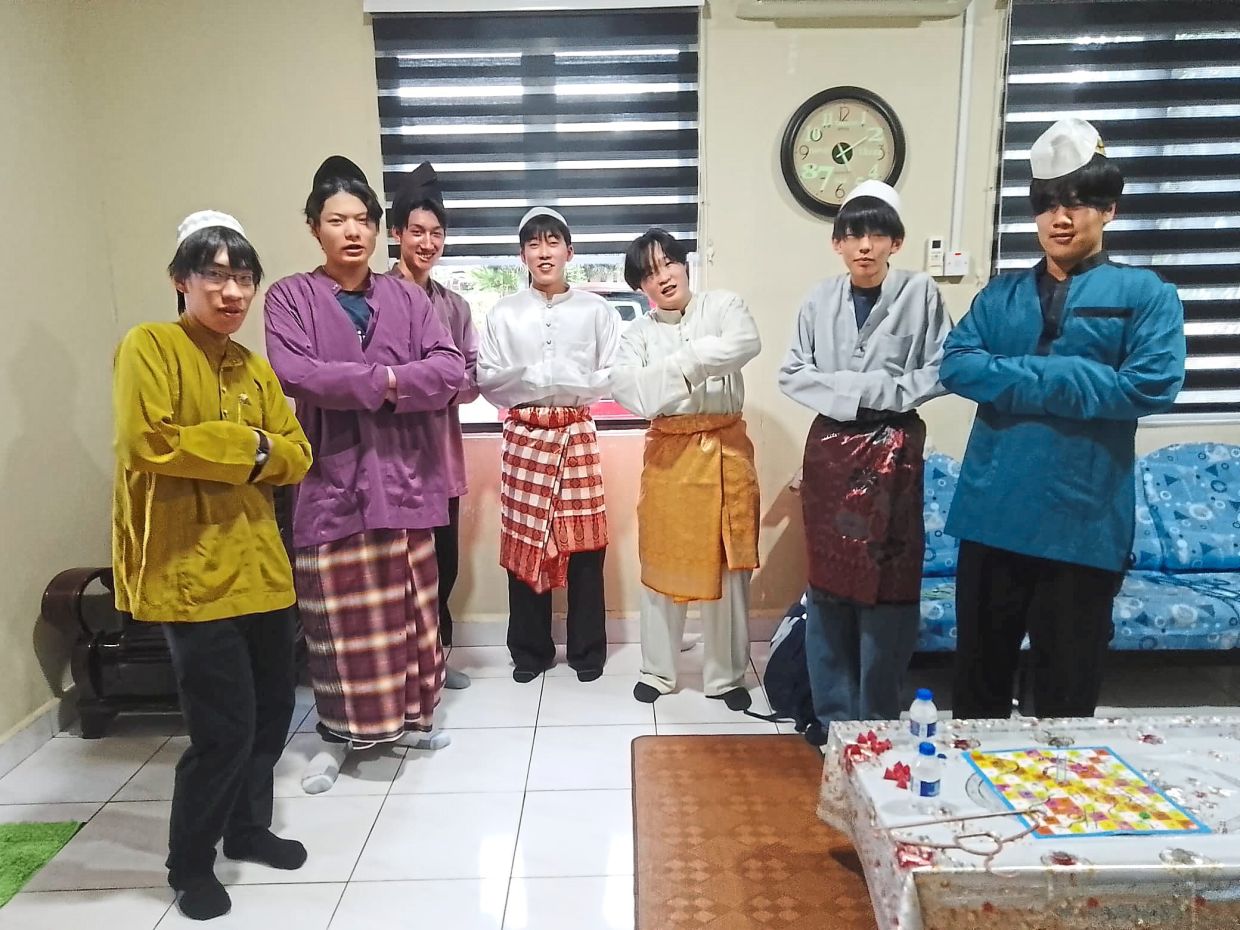
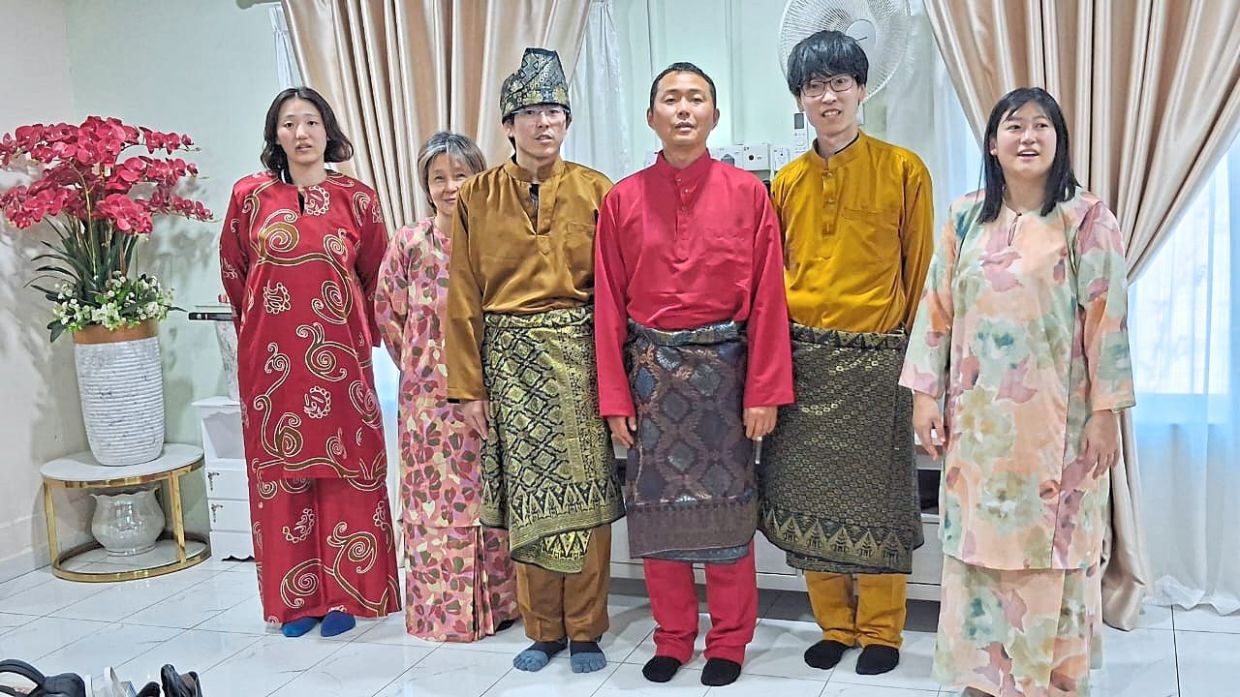
With the men dressed in resplendent baju Melayu, songkok and sampin, and the women in beautiful baju kurung or kebaya, these visitors join the crowds moving from house to house as part of the festive tradition.
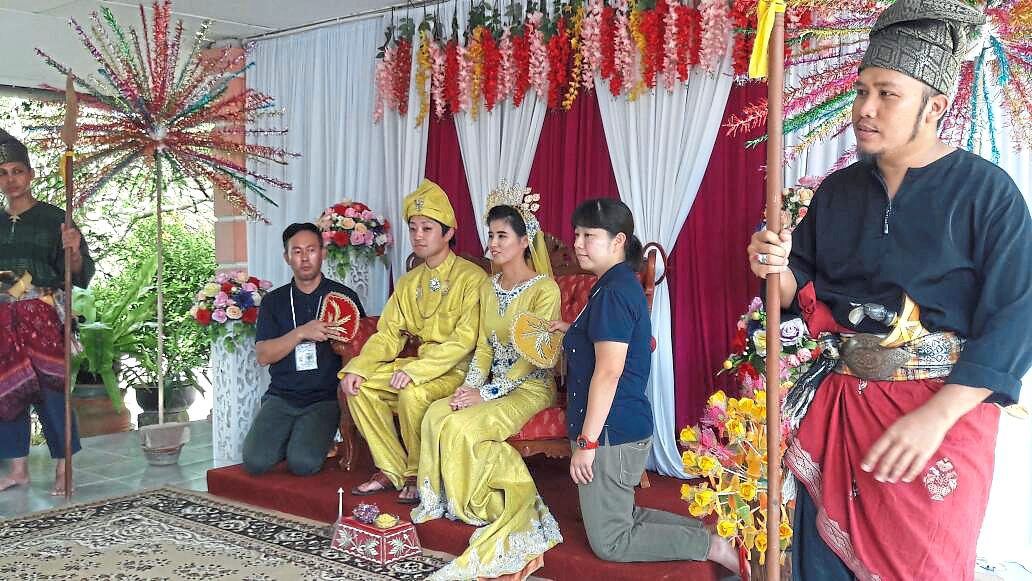
Apart from house visits, traditional activities such as fireworks displays and cooking contests are also held. Some guests pose in Malay traditional wear for photographs, while others simply take a stroll around the village.
“The guests are more than happy to take part in such activities. We eat together, play together and celebrate Hari Raya together.”
Basir is not the only one making preparations to welcome tourists “home”. Up in the northern states, a homestay operator who declines to be named says there are plans to involve local tourists as part of a Raya programme.
“But I cannot promote it yet since nothing is set in stone. While it is not a long-term plan, it will involve local tourists who have not experienced Hari Raya in a kampung setting.”
However, the operator says some homestays or kampungstays do not run such programmes due to their locations far from road networks and airports.
“Some homestays are conveniently located near the airports and have easy access to the highway. Hence, the transport cost will not be too expensive. For instance, they do not have to charter offroad vehicles, for example, to get to their destination.
“Those that do run such programmes are also good at diversifying activities to keep the guests interested and entertained. Some even did a rendang cooking competition. Isn’t that fun?”

A niche product
Homestays and kampungstays are central to the experiential travel catalogue under the 2026 Surreal Malaysia Tourism Experience programme, which offers niche packages that showcase the nation’s culture, heritage, community, nature and sustainability initiatives.
The collection spans both well-known attractions and off-the-beaten-path discoveries, encompassing durian farm tours, coral reef diving sites, wellness retreats and stargazing activities, alongside a range of eco-cultural, agro-adventure and community- based programmes.
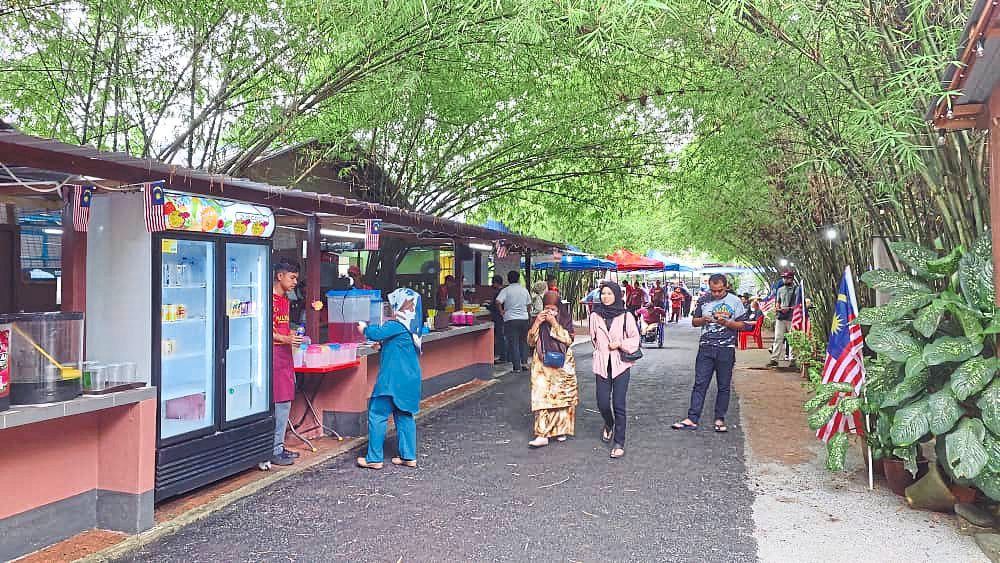
For festivities, among those earmarked for tourism packages other than Chinese New Year, Thaipusam and Hari Raya Aidilfitri are Pesta Kaamatan in May, Hari Gawai in June, Deepavali in November and Christmas.
Tourism Malaysia has been promoting these festivals overseas through major travel events, including World Travel Market in London and Internationale Tourismus-Börse Berlin, other than widespread media campaign drives.
ALSO READ: Jom celebrate with us this VM2026
Tourism Malaysia is also looking into new markets in South Korea, Vietnam, Kazakhstan, Uzbekistan and Turkmenistan.
Make them feel at home
Some of the guests – at least for the homestay programme run by Basir – eventually return as what he fondly calls “family members”.
“A number of them will come again the next year or in two years’ time. They love celebrating Hari Raya here and learning about kampung life.
“Or perhaps for them, this is simply a good place to get away from everything else. Usually, those who cry when we say goodbye tend to come back some time in the future,” Basir says.
He says many guests hold Malaysia dear after their stay, especially after experiencing local festivities.
“We treat them like family members who are returning home for Hari Raya.”
As for Kenji, that is exactly the kind of experience he hopes to have when the festive season arrives.
“I like to learn something new. Hopefully, I’ll have fond memories before returning to Japan.”