



FIVE days after four-year-old Kim Dong-hee had his tonsils removed, he started vomiting blood. He passed out before an ambulance arrived.
As he was being raced to the hospital where he had his tonsillectomy, near Busan, South Korea’s second-largest city, doctors told the paramedics that the emergency room was full. The nearest available ER was more than 15km away.
The trip felt like an eternity to his mother, Kim So-hee. “My vision went white and my head went blank,” she said.
By the time a doctor saw Dong-hee, about 30 minutes after the initial call, his airways had been blocked by blood and he had suffered severe brain damage from a lack of oxygen. He remained in a vegetative state and died five months later.
Despite being one of the wealthiest countries in Asia, South Korea has a buckling emergency-care system.
A chronic shortage of ER doctors, fewer legal protections for physicians than in other rich nations and a quirk in the emergency response system – paramedics must wait for hospital permission before transporting a patient to an ER – have led to delays that can be fatal.
These hospital rejections – called “ER runaround,” “ambulance ping-pong” or ER “merry-go-round” by the local news media – have become more acute in recent years, government data shows.
President Lee Jae-myung has described the failures as systemic.
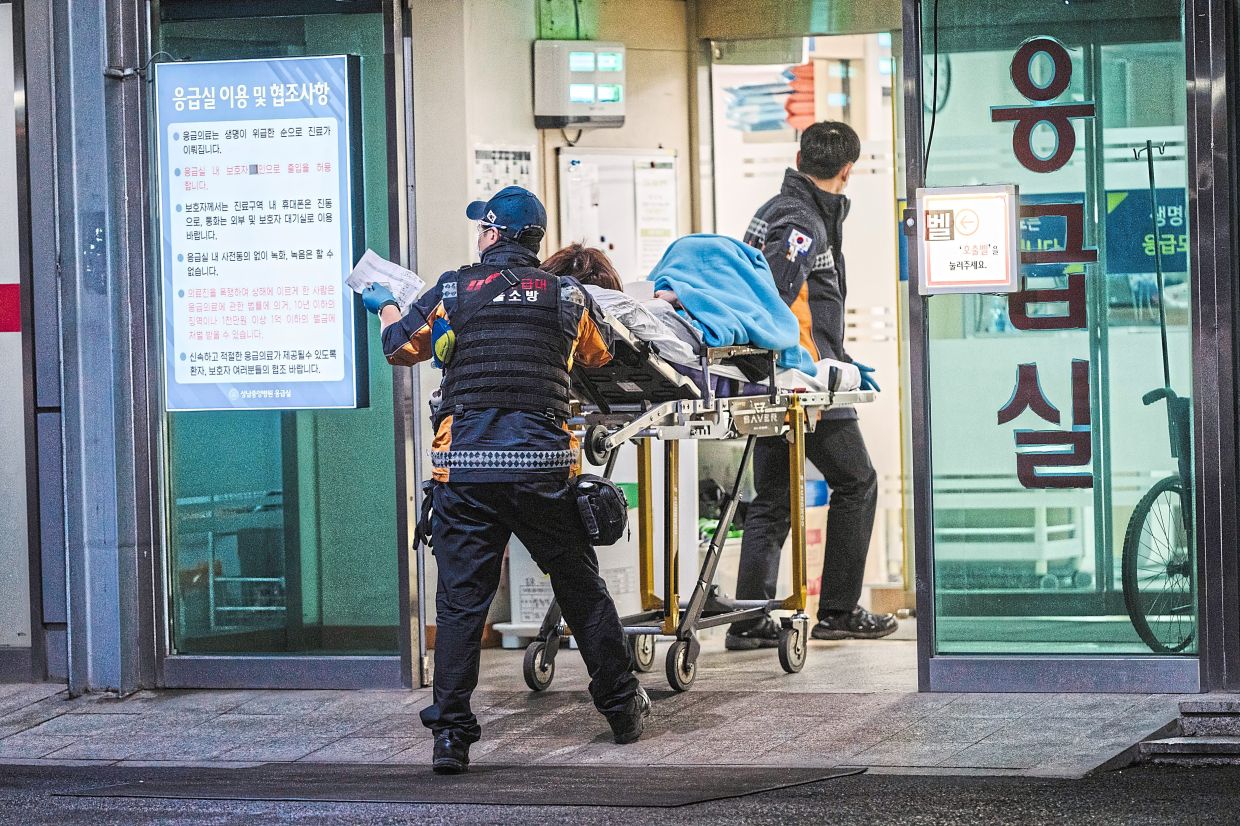
“Patients are dying on the streets, unable to find an ER for hours on end,” he said at a Cabinet meeting in December and ordered his health ministry to fix the system.
It will not be easy.
The average time it takes for major trauma patients to be accepted by an ER has doubled since 2019 – the year Dong-hee had his tonsils removed – to 16 minutes and 30 seconds, according to data released by Yang Bu-nam, a lawmaker who is part of a committee that oversees the National Fire Agency.
Last year, the data shows, there were more than 1,000 instances when ambulances had to call over 20 hospitals before finding beds for their patients.
In October, a woman in her 60s was hit on a crosswalk by a cargo truck in the city of Changwon.
An ambulance arrived on the scene quickly but medics – who called 30 hospitals – could not find an ER willing to accept her and she died a couple of hours after the accident, according to Yang.
South Korea has universal healthcare and its medical system is considered above average among wealthy nations.
But it has fewer doctors per capita than most developed nations and many doctors prefer to specialise in fields that pay more than emergency care, such as dermatology and plastic surgery.
On top of this, patients seeking care at hospital emergency rooms for “low acuity” conditions can lead to overcrowding, “causing delays in treating high-risk patients”, according to Chris James, a senior health economist at the Organisation for Economic Cooperation and Development.
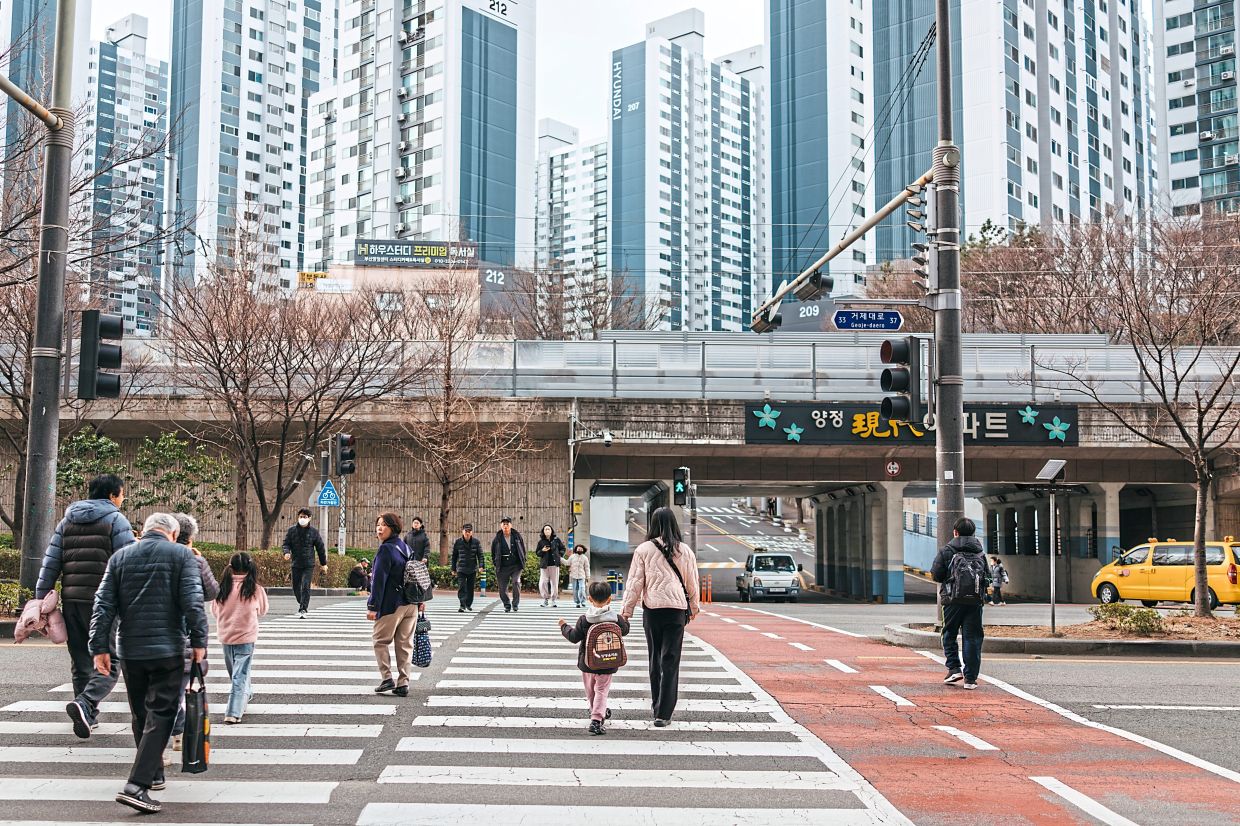
The country’s 119 dispatch system mirrors the US fast-response system, where paramedics typically have the authority to determine the best hospital for a patient’s needs.
But in South Korea, they must first get permission to arrive from hospitals, which can refuse patients for reasons including staff shortages and an excess of patients.
This, paramedics say, leaves them scrambling to secure a patient’s admission in the race against the “golden time”, or the period in which a critical patient must receive care before suffering permanent damage or even death.
When this happens, “you feel yourself starting to shrink as the stress builds”, said Kim Sung-hyun, who has been a paramedic for over a decade.
“If we leave this situation as it is, patients will continue to die,” Yang said at an interview at his office in Seoul.
He is pushing for a legal amendment that would grant paramedics the authority to designate hospitals for emergency patients.
Separately, the Health Ministry launched a pilot programme in February in two provinces and one city that designates specific hospitals as priority destinations for emergency patients.
Some ER doctors have opposed these plans.
“Forcing us to take in patients might reduce the number of rejections on paper, but does little to ensure they receive the care they actually need,” said Kim Chang-yu, a resident at a hospital ER in Seoul.
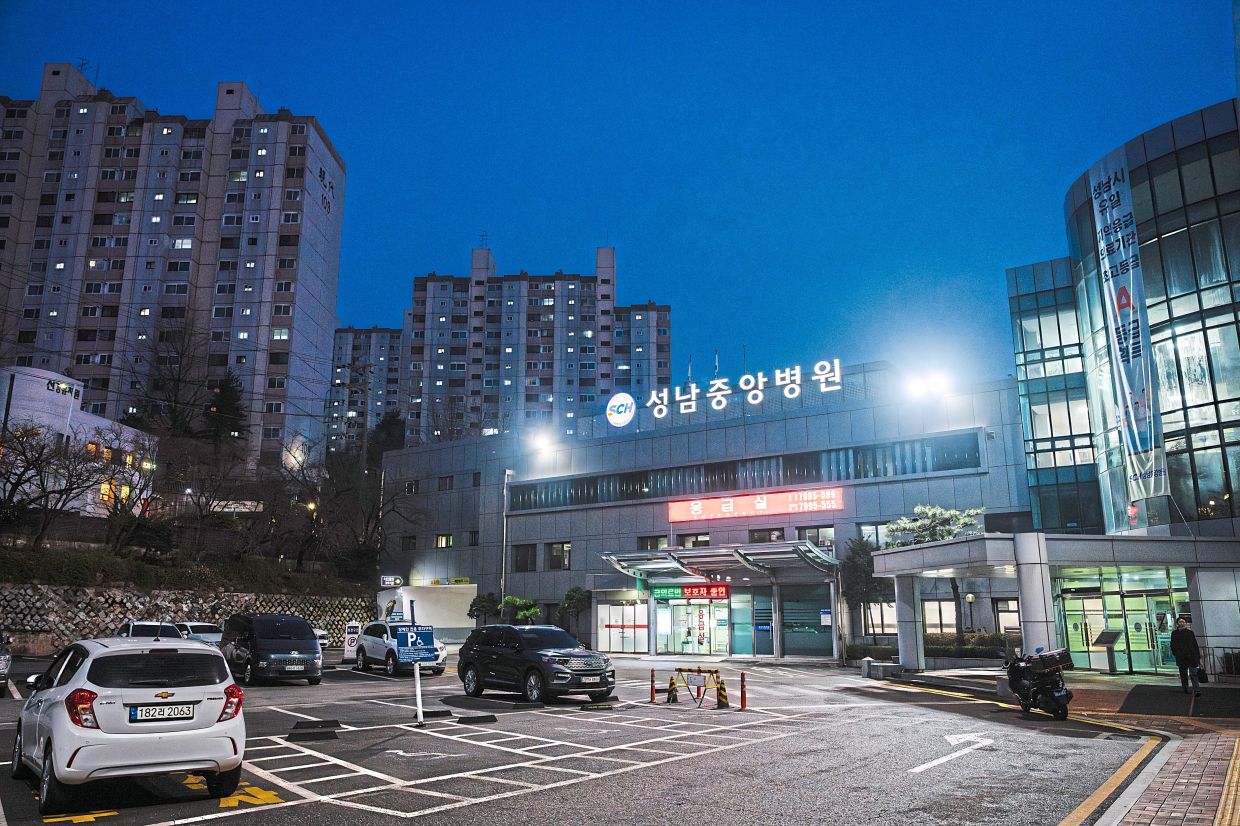
ER doctors also worry about legal liability. Physicians in South Korea face criminal charges for medical negligence at rates that are significantly higher than in other wealthy nations, according to studies.
“The fear of litigation or losing our licences is what forces us to turn patients away,” Kim said. “We are human, too.”
Other doctors, like Changwoo Han, a professor of preventive medicine at Chungnam National University, are in favour of the pilot programme because it would expedite the transfer of urgent patients, and put paramedics and hospitals on the same page.
Many of the doctors’ concerns surfaced during an 18-month junior doctors’ strike that ended in September 2025.
While the core of that dispute was centred around a government proposal to increase the number of medical school students, doctors’ grievances included tough working environments, low wages in departments like emergency care and a lack of legal protection for physicians working with critical patients.
Lee’s government has taken a more conciliatory tone with the medical community and agreed to scale back plans for medical school admissions.
While the government and doctors quibble over policy, patients and their families say lives are being put at risk.
Some have turned to the courts in hopes of seeking justice for loved ones who they believe died because of rejections at ERs.
In December 2019, So-hee, Dong-hee’s mother, filed a criminal complaint against the doctors and hospital that refused to accept her son.
Last year, a court ruled that the doctors were not guilty of professional negligence. But it said some were guilty of violating medical law and that one had falsely claimed that the emergency room was busy with another patient.
“The verdict is truly disastrous. Medical professionals know better than anyone that the result of refusing a patient could be death,” said Kim, who plans on appealing the verdict. “Everything is backward.”
Kim now lives with her parents and younger son in Busan.
Her husband, Dong-hee’s father, died after a years-long battle with leukaemia in 2022.
“Dong-hee was a bright, brave and precious child,” she said.
“He was the hope that kept his father fighting for his life.” — ©2026 The New York Times Company
This article originally appeared in The New York Times
Already a subscriber? Log in
Get 20% OFF The Star Digital Access
Cancel anytime. Ad-free. Unlimited access with perks.
