
AS those in their 30s and 40s (also known as Millennials) look further ahead, retirement planning has become more than just saving enough money. Increasingly, it is about deciding who will care for them, where they will live, and what kind of community they hope to grow old in.
For generations, the expectation in Malaysia was that ageing parents would eventually live with their children, with women often taking on the role of primary caregiver for both older relatives and young children. However, this arrangement is becoming less sustainable.
Smaller families, dual-income households, and greater geographic mobility are changing traditional patterns of family care. At the same time, more people are remaining single or choosing not to have children, meaning fewer Malaysians can assume family members will be available to provide care in later life.
Another change is that many value their independence and are reluctant to rely on their children, even when family support is available. As a result, more Malaysians are beginning to plan much earlier for ageing, exploring alternatives that were once considered unconventional.
Today’s options are not limited to traditional retirement homes. Some are considering integrated senior living communities, while others hope to age alongside friends by living close to one another. Others are putting greater thought into long-term care arrangements, legal planning, and how to prepare for a future where they may no longer be able to make decisions independently.
Lawyer Wen Lim, 37, is one of them. She is considering a retirement home or, alternatively, creating her own community by living with friends in the same compound.
“Staying together in a condo would be perfect, but of course there is the concern of needing assisted care, so maybe everyone can share nursing services for different units,” she says.
“But I need to find the right friends first,” she jokes, explaining that starting afresh with strangers in an assisted living community could be difficult at an advanced age.
Meanwhile, digital marketing executive Avinash, 37, is contemplating buying land with close friends and living out their retirement together.
“We are all either single or married or partnered with no kids and no plans to have any. We are considering Langkawi, since some of us are certified in yoga and fitness,” he explains.
While other necessities can be arranged, Avinash says having a major hospital nearby is a priority. He and his friends are also considering the option of flying to Penang for specialised medical care if needed.
Among L. Suganya’s circle of friends, retirement is already a frequent topic of conversation.
“I’ve seen people retire without having enough money and having to continue working longer than they should. I don’t think people should have to work forever just to survive,” says the UI/UX writer, 39.
As someone who is single and does not plan to marry or have children, Suganya says she feels an even greater responsibility to prepare for her later years.
Ideally, she hopes to build a community with close friends living near one another, sharing resources, and supporting each other physically and emotionally while maintaining their own independence.
“If that doesn’t work out because everyone ends up having different lives and commitments, then I’d consider moving into a retirement community instead.”
However, Suganya points out that many senior living facilities right now cater to higher-income Malaysians. At present, she says many of them are unattainable for the average Malaysian unless more affordable options come up that also provide a reasonable level of comfort.
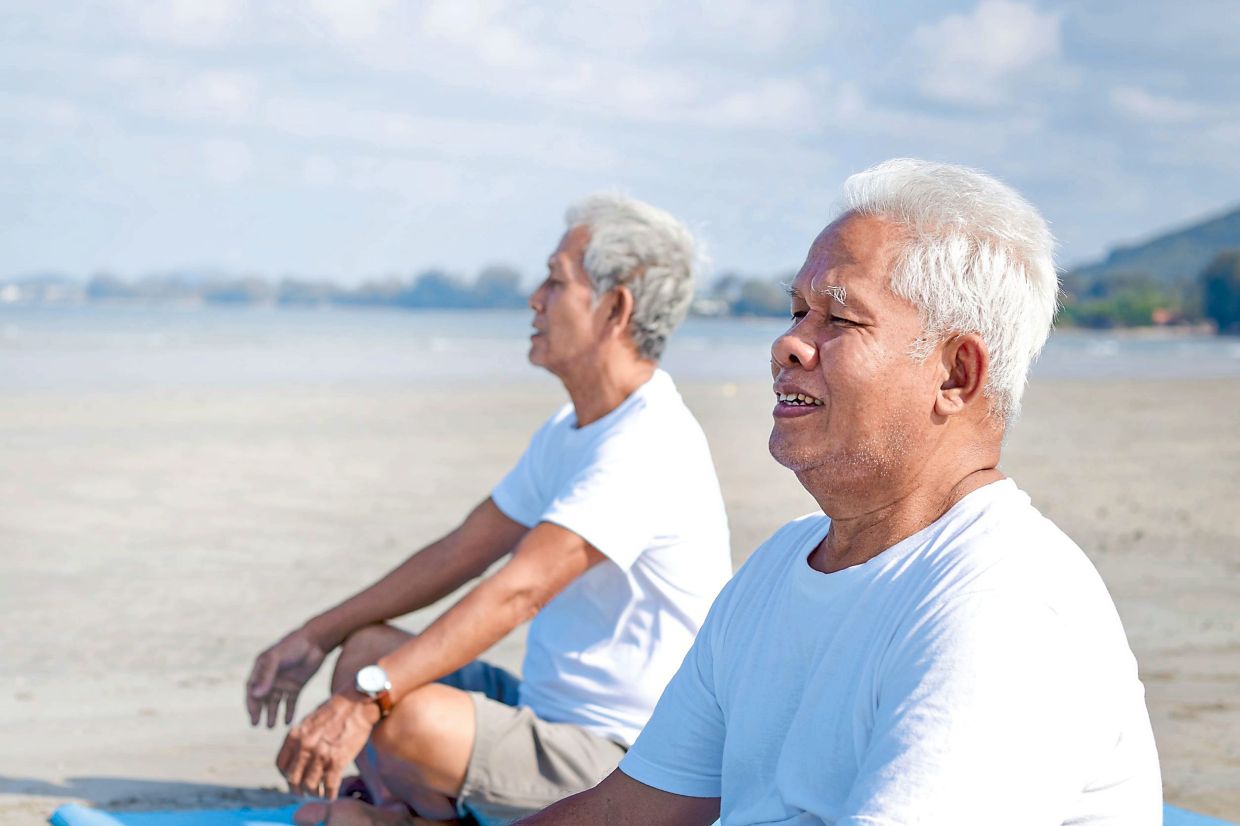
She believes perceptions of retirement homes and senior living facilities are also shifting among younger Malaysians.
“The idea of family is changing. People understand that in this economy it’s not always practical for one person to care for an older relative while also working to make ends meet,” she notes.
Rather than seeing retirement communities as a sign of abandonment, Suganya says many in her generation view them as places where seniors can receive better care while maintaining an active social life.
“I think many in previous generations feared being abandoned. But among my peers, we don’t really see it that way. You can still have your family around while living somewhere that’s better equipped to support your needs.”