AN explosive public feud broke out recently between the United States and Zambia.
The two nations were negotiating a deal to provide billions of dollars in US health funding, but the outgoing US ambassador publicly accused the Zambian government of graft and negotiating in bad faith – comments that the Trump administration is now distancing itself from.
But not before Zambia’s foreign minister fired back, accusing the United States of linking aid to access to the critical minerals of the southern African nation.
The tussle spotlights the Trump administration’s push to overhaul US foreign aid, replacing the foreign assistance provided by the United States Agency for International Development with an “America First” alternative.
Trump, along with tech tycoon Elon Musk, dismantled the aid agency last year, accusing it of being wasteful.
The Trump administration has said countries should shoulder more of their own health funding, and that 32 countries have already signed agreements.
But some have also walked away, citing the United States’ request for private health data, among other issues.
Ghana and Zimbabwe have turned down the Trump administration. Kenya signed, but the deal is being held up in court.
“Any deal that is exchanging human lives for access to critical minerals is immoral,” said Jonas Chanda, the former Zambian health minister.
Zambia is among the world’s major copper producers and has large reserves of minerals including lithium and cobalt.
Some analysts say the Trump administration is pressuring Zambia to provide mining access to US companies in a nation where China dominates.
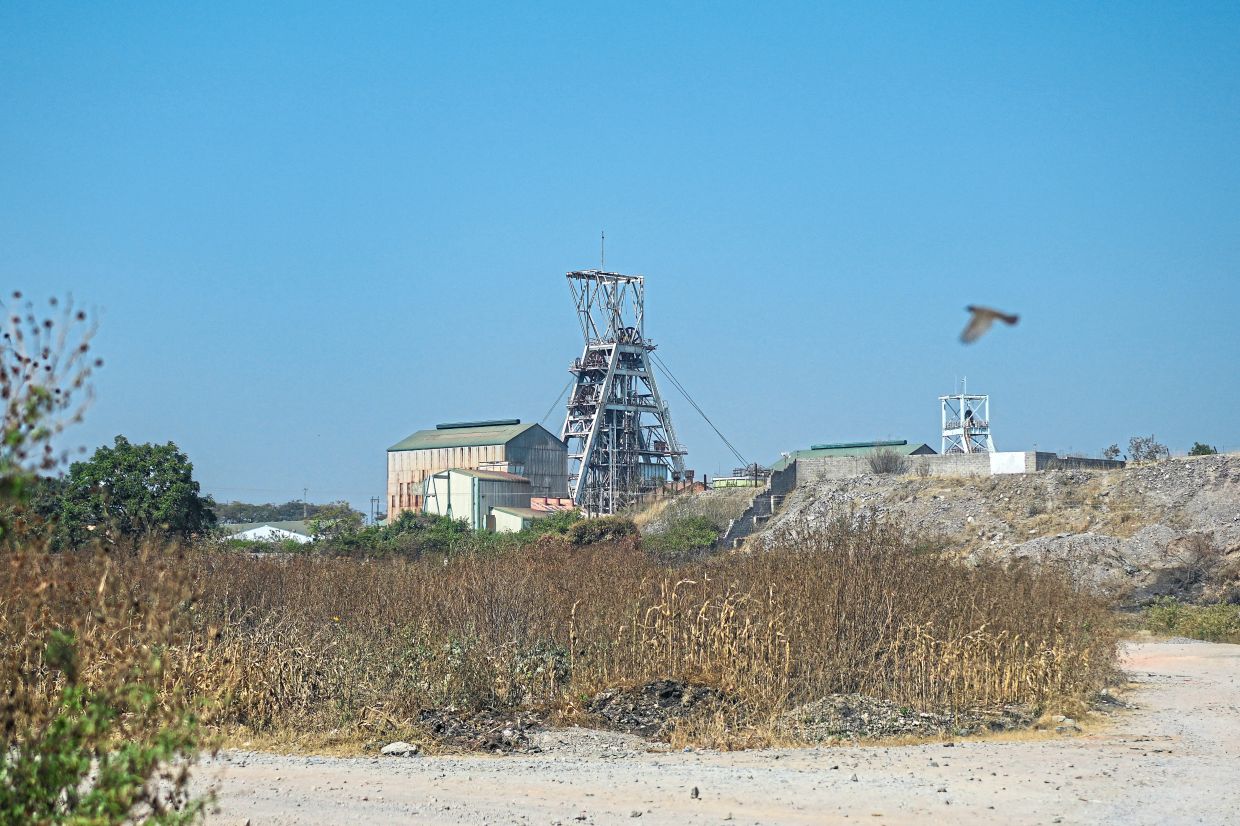
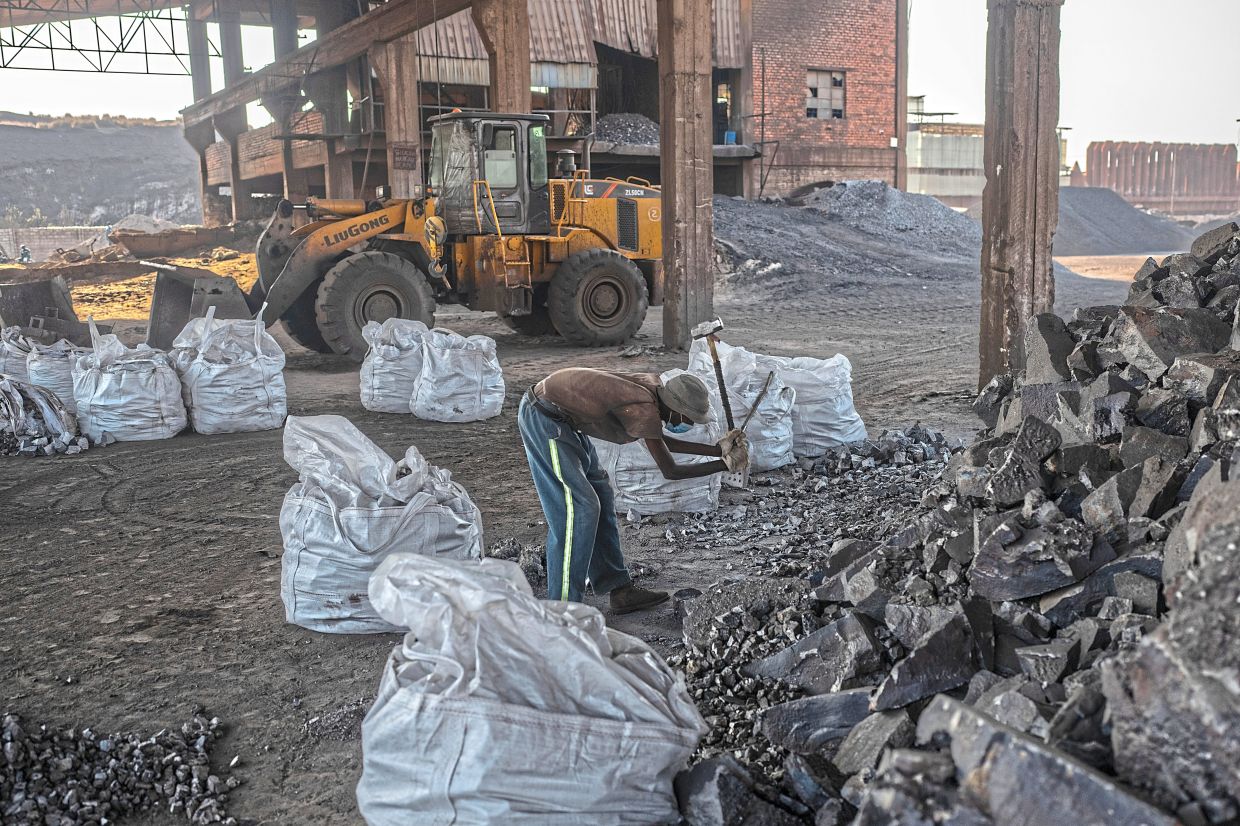
A draft of a memo containing the deal’s health provisions showed stipulations that would grant US businesses greater access to Zambia’s mineral deposits, effectively ending China’s hold.
But in his remarks, outgoing US ambassador Michael Gonzales said Washington was not trying to leverage foreign aid into greater access to Zambia’s mines.
“It is absolutely, patently false,” Gonzales said in a farewell address.
He also made lengthy remarks about continued corruption within the Zambian government, including the theft of US-funded resources, arguing that the country’s authorities failed to hold wrongdoers accountable.
“The comments were not a reflection of the views of the Department of State,” the department said in a statement. “The Trump administration seeks a constructive relationship with Zambia grounded in mutual respect, shared interests and reciprocity.”
While the statement said the proposed health agreement with Zambia was not conditional on access to minerals, Zambian officials have said that it was.
Zambia’s foreign minister, Mulambo Haimbe, said in a six-page response to Gonzales’ remarks that the issue of critical minerals had been a major roadblock in the negotiations.
He said that as Gonzales approached the end of his tenure in Zambia, he engaged in “a deliberate shift away from diplomatic etiquette and an increasingly acrimonious change in attitude”.
Appointed in 2022 by President Joe Biden, Gonzales is a career diplomat who has openly embraced Trump’s agenda in his second term.
He held a tearful news conference last year announcing that the United States would cut US$50mil in annual aid for medicines and medical supplies to Zambia, saying that an assessment had found “systematic theft” of US-donated drugs intended for free distribution.
“We are no longer willing to underwrite the personal enrichment of fraudsters or the corrupt,” Gonzales said at the time.
In January, he published an essay on the State Department’s newsletter platform arguing that America’s model of foreign aid had failed to deliver tangible benefits and had enabled government corruption.
He suggested attaching more accountability to US aid.
“Virtually never did we withhold assistance funds because host governments failed to deliver on their commitments. Instead, we responded by providing even more aid,” Gonzales wrote.
It’s unclear whether he will remain in the State Department once he leaves Zambia.
David Monyae, director of the Centre of China-Africa Studies at the University of Johannesburg, said Gonzales’ remarks may backfire by pushing Zambia closer to China.
The Zambian government is the one “in the region that is most pro-US,” Monyae said. “That’s the irony of this case.”
When Hakainde Hichilema became president of Zambia five years ago, he won praise in the United States as a former political prisoner who promised to fight corruption.
“That love is gone,” Anthony Mukwita, a former Zambian diplomat who now runs a communications consultancy, said.
Hichilema has since been heavily criticised for cracking down on his opponents.
Some Zambians said Gonzales may have unintentionally forced the government to be more transparent about what’s in the deal.
The first time the Zambian government suggested that critical minerals were part of negotiations was in the foreign minister’s statement, said Linda Kasonde, a Zambian human rights lawyer.
Kasonde is leading an organisation that has sued to stop a deal from being ratified without approval from parliament.
She said Gonzales’ accusations of government corruption were nothing new.
“Few people are saying it out loud in a way that tries to hold the government accountable,” she said. — ©2026 The New York Times Company
This article originally appeared in The New York Times.