



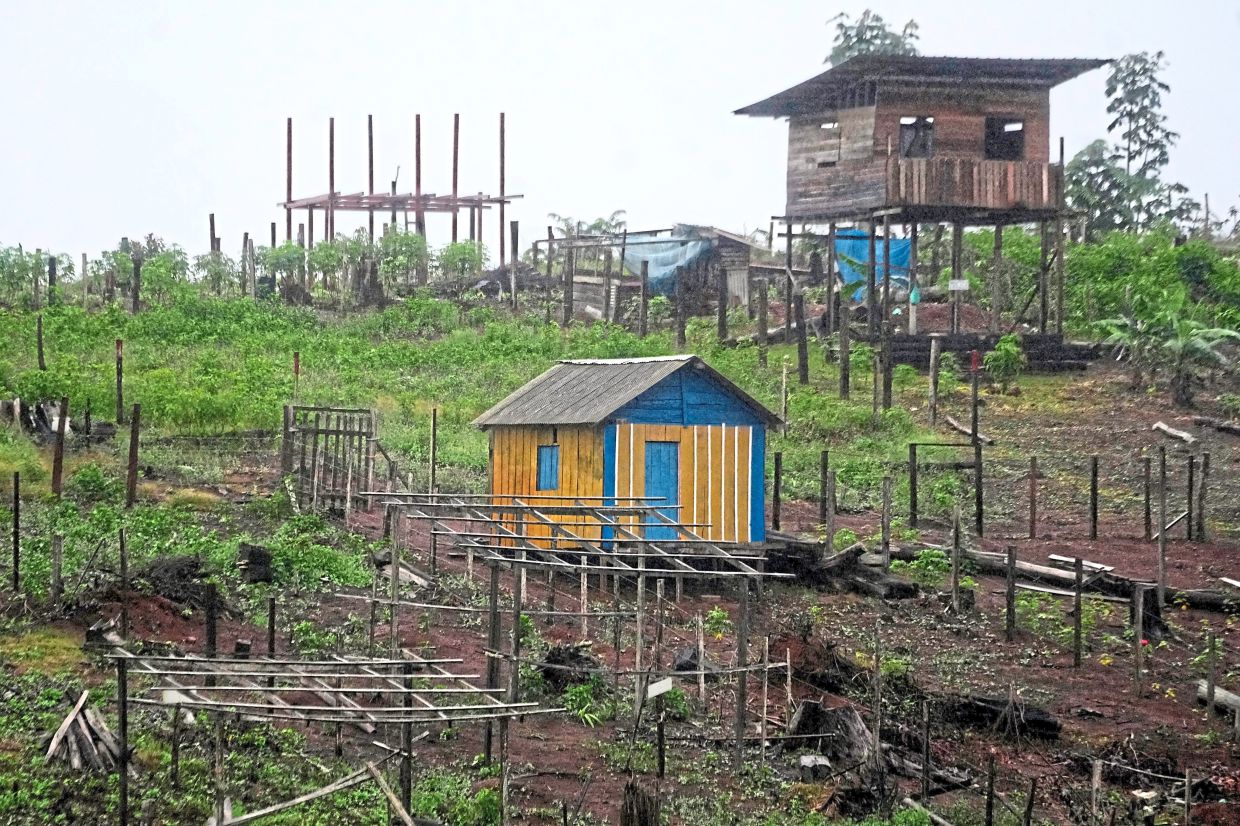
ON a recent morning, Reginaldo Nunes Fonseca smoked cigarettes from the porch of a friend’s wooden shack, watching heavy rain hammer down on what is now called Nova Conquista – New Conquest – an expanse where pristine Amazon rainforest stood just a year ago.
The rain meant he could not work on building his own house or take on odd jobs. But the weather was only part of the problem.
Like thousands who have poured into the small city of Oiapoque, in Brazil’s northern state of Amapa, Fonseca is waiting for an economic boom that may or may not come.
The rush began after Petrobras, Brazil’s state-run oil company, secured environmental licensing last year for offshore drilling in the Equatorial Margin near the mouth of the Amazon River, roughly 180km off Amapa’s coast.
“I thought, well, that’s good – the city is going to grow, there will be a lot of job opportunities,” said Fonseca, who moved from the north-eastern state of Maranhao after seeing a television report in January.
“So I started calling friends and said: ‘I’m going there because here I’m unemployed and not doing anything’.”
Amapa is among Brazil’s poorest and least developed states. Oiapoque’s economy has long relied on fishing, illegal gold mining and cross-border trade with neighbouring French Guiana, where visitors spend euros that hold their value better than the Brazilian real.
Now, the promise of oil wealth is fuelling optimism – and exposing the limits of a city already struggling to cope.
The surge highlights a broader dilemma facing developing countries: how to curb greenhouse gas emissions while still relying on fossil fuels to drive economic growth.
It also raises questions about President Luiz Inacio Lula da Silva’s pledge to protect the environment.
“We don’t want to pollute a single millimetre of water, but no one can stop us from lifting Amapa out of poverty if there is oil here,” Lula said during a visit last year.
On March 10, about 3km from Fonseca’s home, Petrobras met politicians, business owners and community leaders to outline its plans.
Company representatives said drilling for an exploratory well began in October and would last about five months.
If commercially viable reserves are found, further permits would be required before extraction – a process that could take months or years.
Environmental and indigenous groups have already filed lawsuits to halt exploration, arguing that licensing failed to properly consult traditional communities, underestimated spill risks and did not adequately assess climate impacts.
Federal prosecutors have also asked Brazil’s environmental regulator, Ibama, to suspend or annul the licence, saying Petrobras’ studies are insufficient.
No ruling has yet been issued.
Even if drilling proceeds, Oiapoque’s role may remain limited.
At the meeting, officials said the city is primarily serving as a helicopter base for offshore crews, with administrative operations based in Belem, in the neighbouring state of Para.
Yet, speculation alone has begun to reshape the city.
Oiapoque’s population stood at 27,482 in 2022, but no updated count exists. Local officials say the number has risen sharply.
“In the past 18 months, Oiapoque has seen significant population growth,” said city councillor Tiago Vieira Araujo.
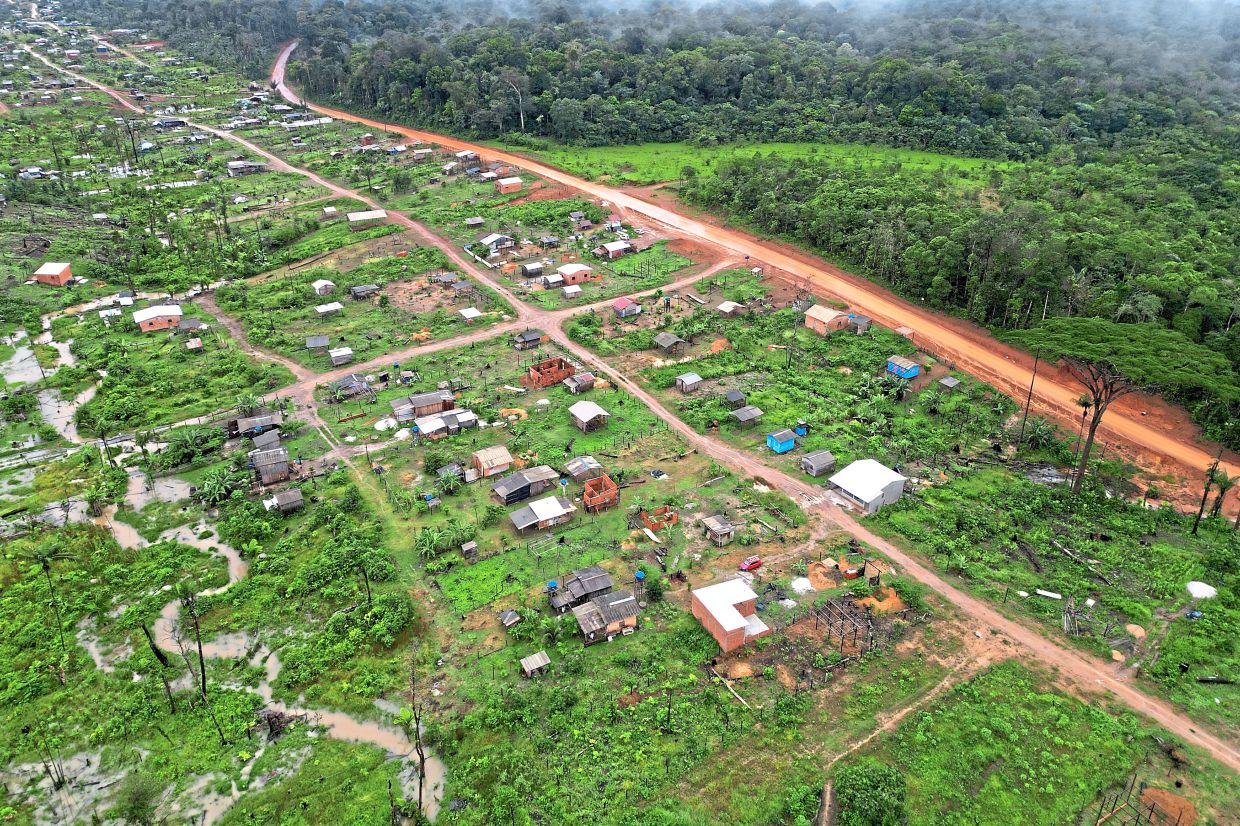
“There are already seven new neighbourhoods, and social problems have come with them.”
Infrastructure was already fragile.
Fewer than 2% of households have adequate sewage systems, and just 0.2% are on properly-structured streets, according to national statistics.
Conditions are even worse in the new settlements – known locally as “invasions”.
Residents have cleared public rainforest to create informal plots, erecting makeshift homes from timber and scrap.
Freshly-cut stumps dot the muddy ground. Inside, most dwellings consist of little more than a bed, a basic kitchen and a rudimentary bathroom.
“We know it’s not right to clear the forest. Everyone knows it’s wrong,” Fonseca said. “But space is limited.”
For some, however, the upheaval signals opportunity.
Yuri Alesi, a 34-year-old lawyer and former councillor who advocates for land rights in the new settlements, is running for vice-mayor.
He envisions Oiapoque as an “Amazonian Dubai”, transformed by oil revenues.
“Dubai is in the middle of a desert, an unlikely place to grow,” he said. “The industry that drove its development was oil.”
Brazil’s Equatorial Margin – stretching from the Suriname border to the country’s north-east – is believed to hold substantial reserves.
Preliminary estimates suggest up to 10 billion barrels of oil and gas, potentially worth about US$719.7bil.
Alesi said royalties could generate around US$19mil a month for Oiapoque – roughly equivalent to the city’s current annual economic output.
But the Amazon, a critical carbon sink that helps regulate the global climate, is already under pressure from deforestation driven by agriculture, cattle ranching and mining.
That pressure has been less intense in Amapa, where about 82% of the land remains forested.
Its relative isolation – bordered by rivers and the sea, with limited road access – has helped shield it from the widespread clearing seen elsewhere in the region.
For every Dubai comparison, however, there are cautionary tales closer to home.
In Coari, another Amazonian city where Petrobras has operated since the 1980s, about 72% of residents live in extreme poverty, according to a recent study.
Resource wealth has not translated into broad-based prosperity.
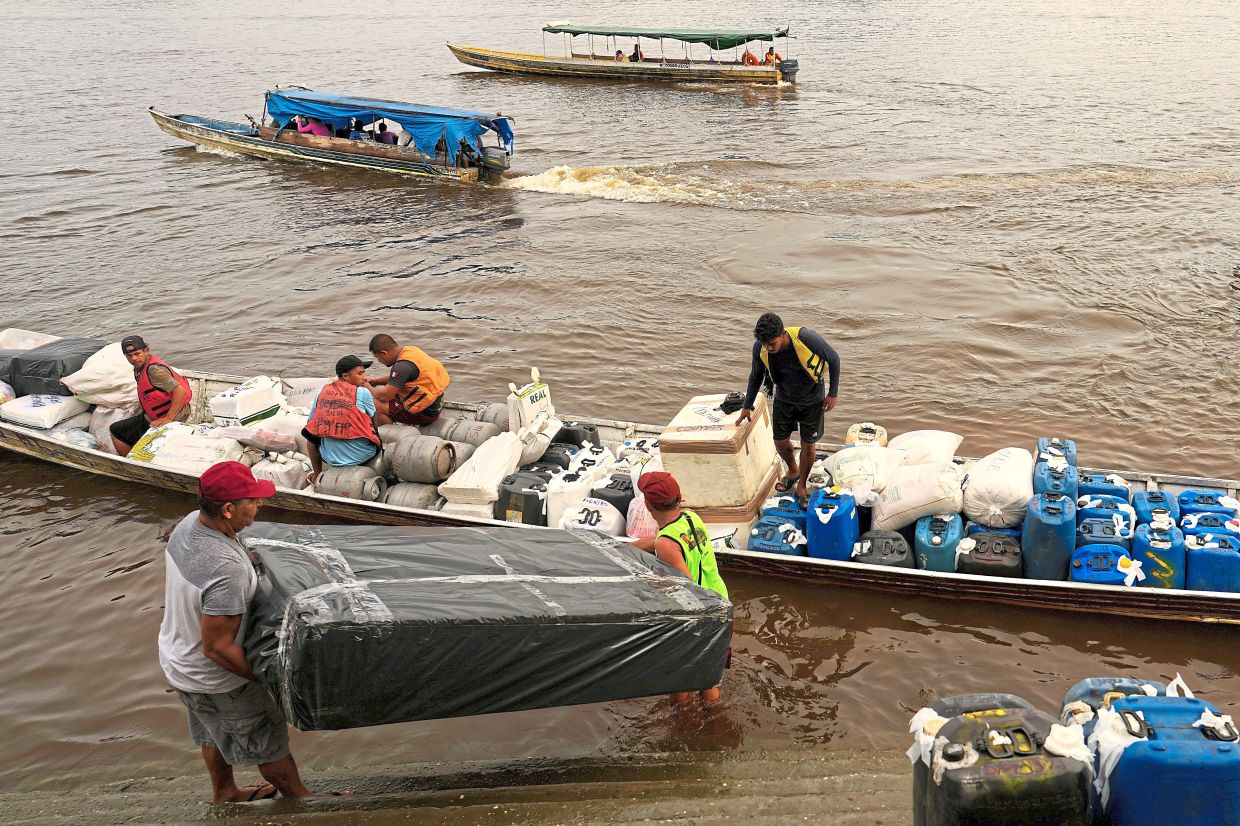
Along the river separating Oiapoque from French Guiana, boats shuttle passengers and goods between countries and nearby communities.
Stickers in green and yellow declare: “Oil yes! Development yes!” – a slogan embraced by local politicians.
But just 20 minutes away by boat, members of the indigenous Galibi Kali’na community are wary.
Some see potential benefits, but leaders warn of environmental risks and threats to their way of life.
“Petrobras arrived with strong political backing, promising progress as if we would go to sleep one day and wake up like Dubai,” said Renata Lod, a representative on Oiapoque’s indigenous council.
“But what we have actually seen is completely disorganised population growth, invasions of indigenous lands.”
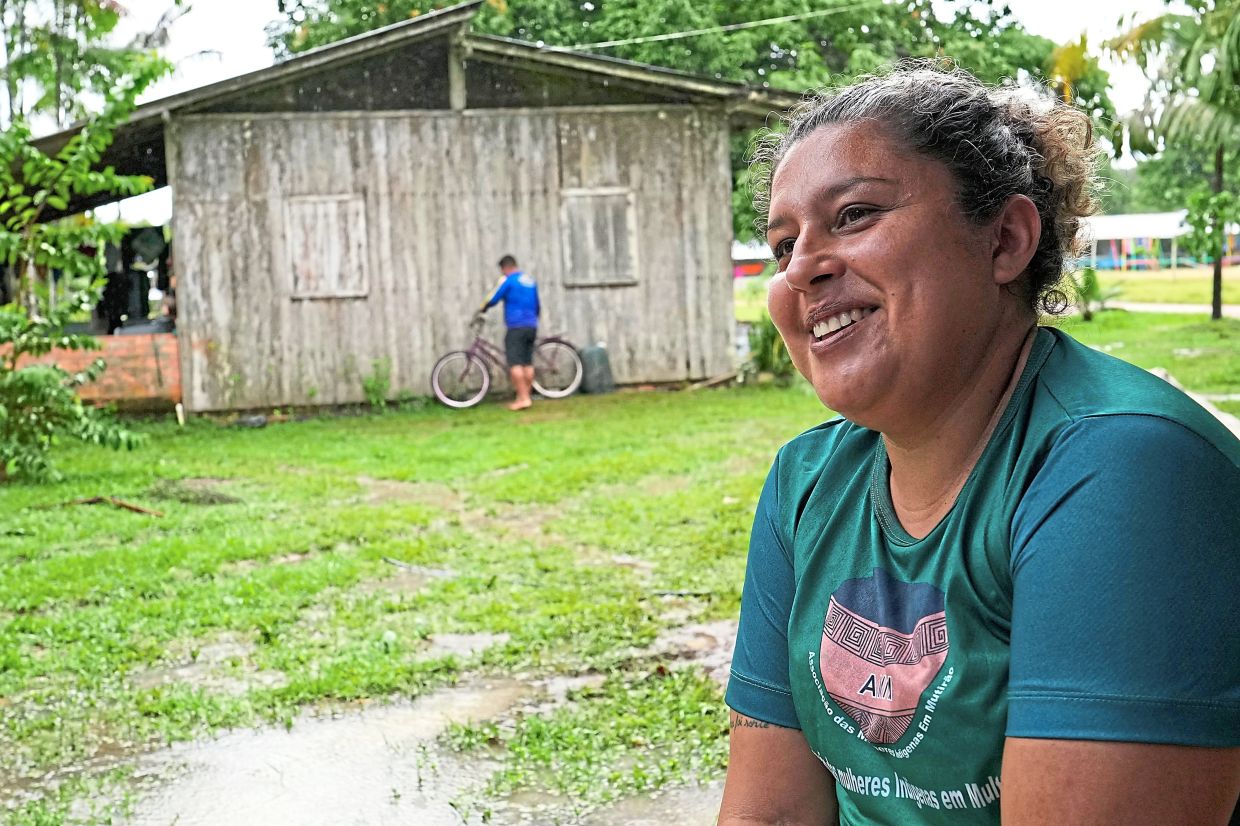
She pointed to mounting pressures – overcrowded schools, a hospital already operating at full capacity and rising strain on basic services.
There is also deep concern about the risk of oil spills.
“Most indigenous lands are flooded wetlands. How do you clean a wetland?” Lod said. “Once oil enters the rivers, there’s no way to remove it.”
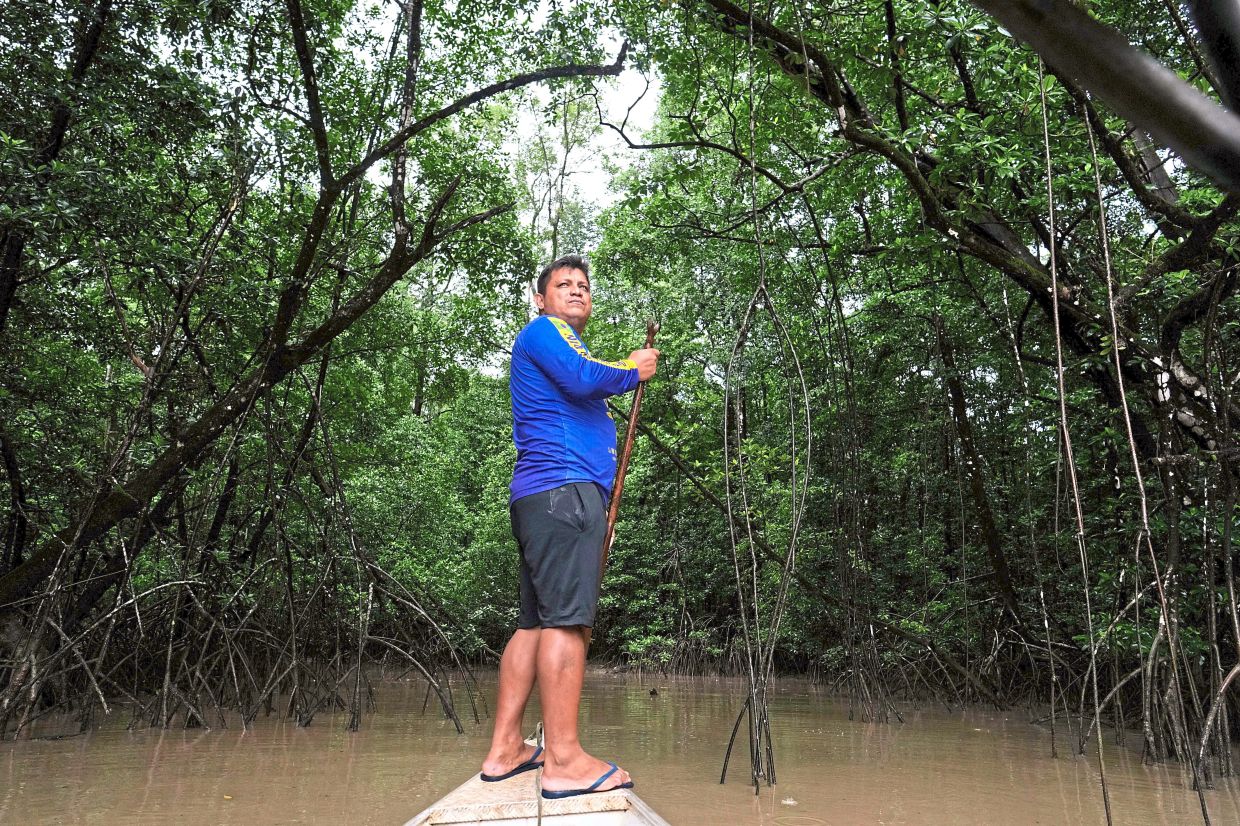
A spill could quickly spread through waterways, threatening fisheries, mangroves and the communities that depend on them.
Petrobras says it conducted spill modelling to secure its licence and has deployed drifting devices to monitor ocean currents since exploration began.
In January, however, the company reported a drilling-fluid leak that briefly halted operations.
Ibama fined Petrobras US$470,500.
At the March meeting, company officials sought to reassure residents, defending the safety of their operations.
They also emphasised oil’s role in everyday life, pointing to products from clothing to air conditioning.
Still, scepticism remains.
“People here see Petrobras as an economic remedy,” said Araujo, the councillor. “But even a remedy has side effects. And we’re already experiencing the side effects before seeing any of the benefits.” — AP
