INCREASING female representation opens doors to opportunities and endeavours to position women in a more equitable stature.
Under Perantis, selected participants will receive a grant of up to RM50,000 to carry out women’s leadership development programmes in various fields, including leadership, politics, economics, social, technology, legal security, wellbeing, and education.
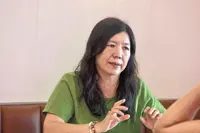
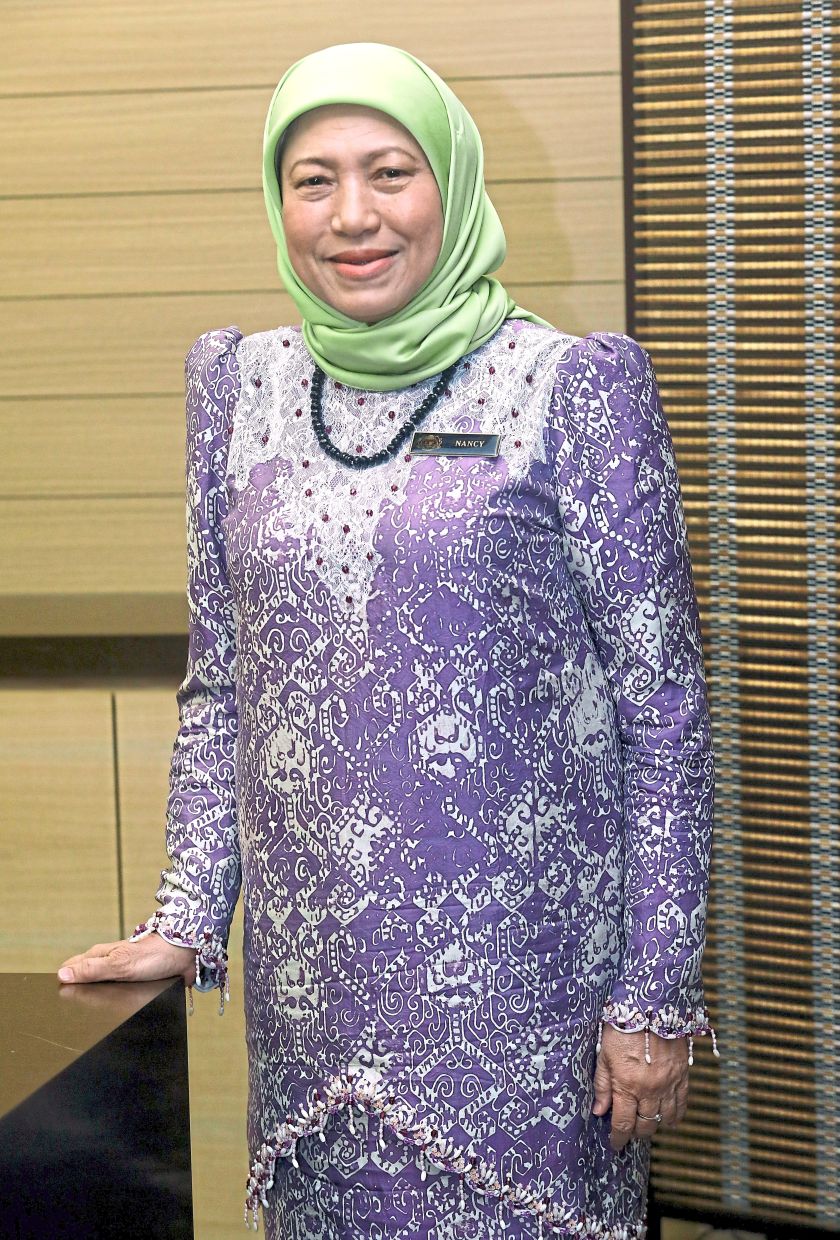
However, says Minister Datuk Seri Nancy Shukri, one of the greater challenges to bolster women’s position in the country is to convince them to “come on board, speak up, participate and be part of the policymaking”.
This only makes her fired up for the success of Perantis though, Nancy tells Sunday Star in an interview to commemorate International Women’s Day – celebrated every March 8 – as providing women with greater means of success translates to a greater achievement for the nation.
> What is the current trajectory of Perantis and its significance to women in Malaysia?
I had a different opinion on what I initially wanted to do with Perantis as women’s involvement in politics is very small in terms of representation. So with Perantis, I wanted to give them the opportunity to participate in politics in terms of leadership, but it has taken a “surprise” turn [as many lean] into economic and social activities.
The first time we introduced Perantis [in 2024], we had two [programmes] and more followed suit. But one thing I discovered about it is that it has become an avenue for creativity. For example, one of the women to whom I presented a certificate came up to me and shared how she managed to train more makeup artists. They had participated in a recent mass wedding event held in Kuala Lumpur. So in this case, the person was able to lead others in their own way.
It’s called Orange Economy, whereby she was able to create another 100 more leaders [through a creative business endeavour].
> Representation matters but why haven’t we reached the desired number?
I think you have said on many occasions that we don’t have the numbers, how important is representation and why we have not reached our target. But through this Perantis programme, we have identified more women especially in paving their way into more economic independence. This is also a form of leadership, but we also need them in governance and we continue to strive for it.
The thing is, we need to speak out more, give people the right opportunity and listen to what they can do. That’s why I want to make sure that everyone is given the opportunity so that they can showcase their niche. This is because some of them, they do not know how to go about it or what we are doing, even though we have been promoting [the programme] or maybe the way they understand it is different from the way it is being promoted. So that’s why I am very patient when listening to them because I want to see more of what they have to offer.
> How significant are the changes brought by representation for women in terms of policy, stability, politics, safety and security?
Not everyone is political, but for me, political means you’re doing the right thing for everyone. So when it comes to representation, I would like to give that opportunity to the various groups in the country. This is why we keep asking for funding to provide more opportunities.
In terms of safety, we have our Skuad Waja [a volunteer initiative focusing on empowering communities to address violence against women through psychosocial support and legal awareness] to create more awareness on the topic, including on existing laws and what people should be doing.
Sometimes a woman’s voice goes unheard, so we need to provide the right avenues for them in order to help them. As such we try to cover as much as possible in reaching out to them through representation.
> What are the challenges you see women still facing in this country?
The main challenge is getting more women to come on board, speak up, to participate and be part of the policymaking. Oftentimes we get asked if the government is doing enough. In some ways they are not wrong, nor right, because maybe we have not covered enough, or maybe this is where we need leaders.
For example, through our university programmes, we want them to know what we’re doing by talking to each other or in groups. I know we cannot cover it all at once. When it comes to advocacy, the goal is to see the impact from the programmes.
> Do the country’s policies contribute to women’s empowerment and liberation?
It depends on what liberation means, is it from their own husband, the family or with the government? In general, women here are quite free, but again, it’s all about opportunities.
As I have said, if there are other things that they want to know about what we are doing, we are open to them. I know it’s easy to say that, for some of them they can’t even go out because they have to take care of their children and families. So tell us if they want to produce cakes or do dressmaking.
They don’t have to open a company as it can be done at home and sold online. This goes back to the fact that for women liberation means having some form of financial independence, and this is what we are trying to do.
> What is your vision for women in Malaysia in terms of leadership, security and safety?
For me, personally, I want to see more women be financially independent because once they attain it, they are more confident.
Through my work with NGOs, I have seen how confidence translates, especially in the way they communicate with their spouse and children, while being able to lift up their own families. This is also important for younger women because we want them to learn something new that they can carry forward and earn an income instead of relying on others.