



IT has been a whirlwind of meetings and visits for UN-Habitat executive director Datuk Seri Maimunah Mohd Sharif since she arrived in Malaysia on Aug 4, but it seems like she could not be happier to be back in the country.
This is her first official return to Malaysia since the Covid-19 pandemic started in 2020, and one of the things the former mayor of Penang Island is excited about is to see not only her children again (when she starts her holiday later), but also her other “babies” – the ninth World Urban Forum (WUF-9) legacy projects in Kuala Lumpur.
“During the WUF-9 in Kuala Lumpur in 2018, we were committed to implementing a few urban regeneration projects, and after four years I finally have the opportunity to go to the ground to see them,” says Maimunah.
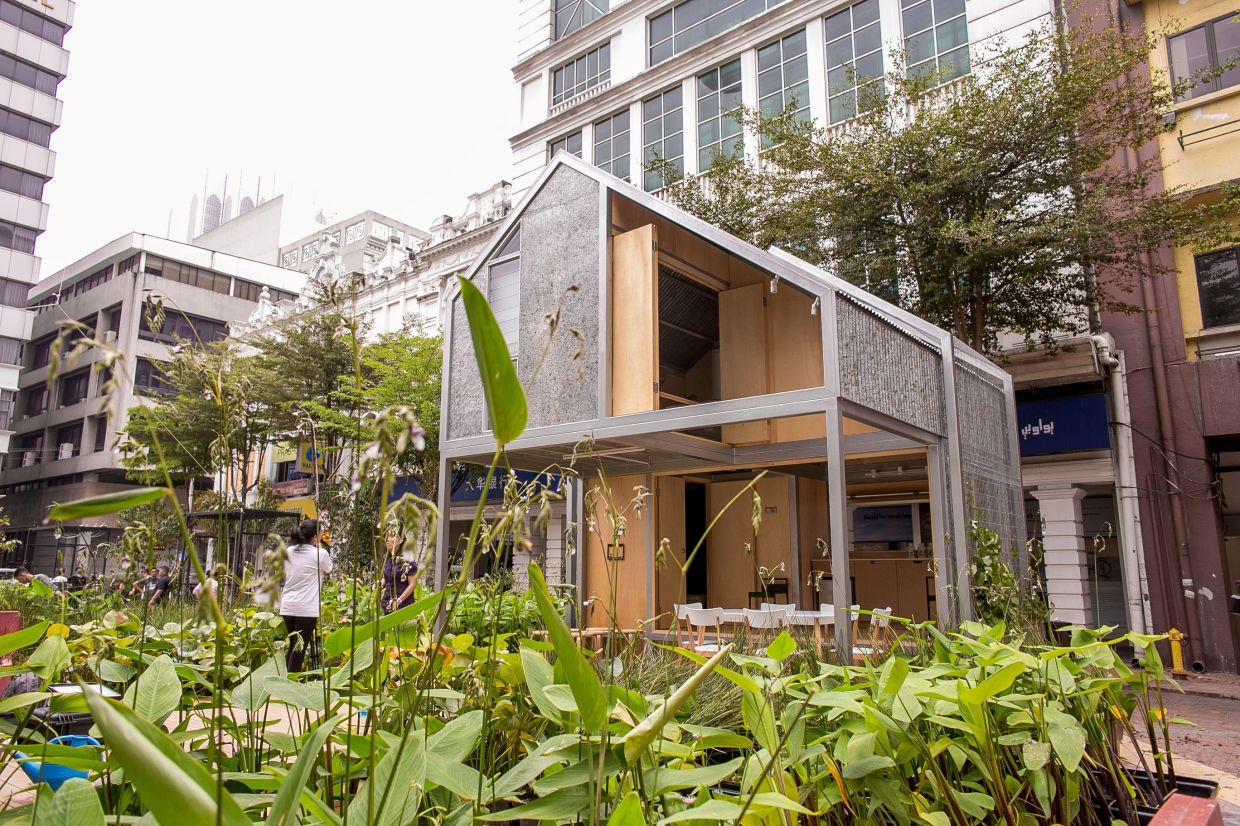
Together with Kuala Lumpur mayor Datuk Seri Mahadi Che Ngah, Maimunah got the chance to see the improvements made at Taman Tasik Titiwangsa as a public park and a micro housing project, where an empty commercial building has been converted into a rental unit for single residents at a rate of RM100 each. Another is the community urban farming programme under the River of Life project.
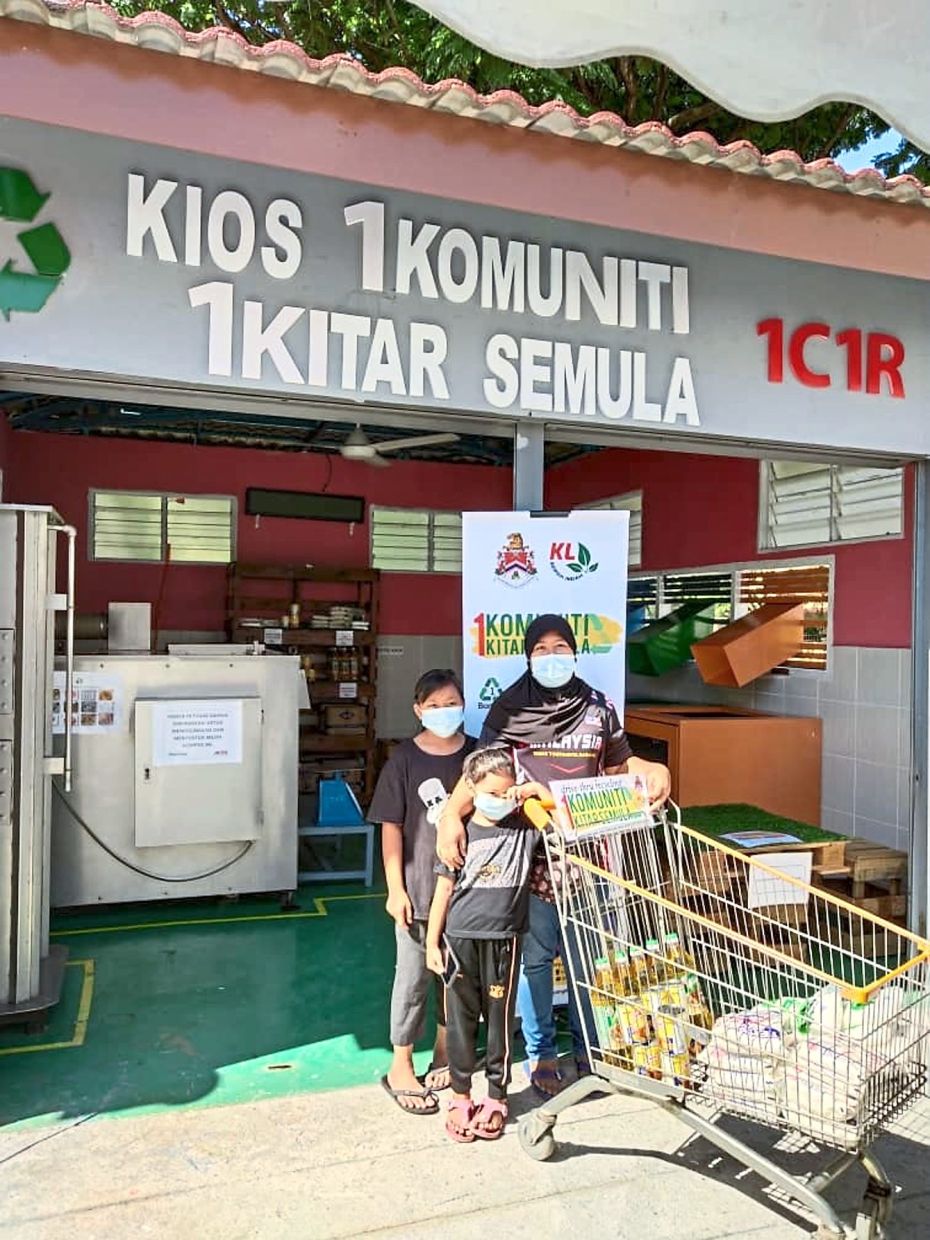
She also visited the community projects that are being conducted in the city’s public housing and the People’s Housing Project (PPR) areas such as the 1Community 1Recycling project, in which residents can exchange their recycling for basic food supplies such as cooking oil, sugar and flour.
These projects show that Malaysia is on the right track to meet its New Urban Agenda for a better and more sustainable future in the cities, says Maimunah, and we need more of them.
Crucially, she adds, Kuala Lumpur City Hall, along with urban rejuvenation consultancy Think City, has done a good job in engaging and involving the community to implement the projects.
“The New Urban Agenda is actually very broad and at the end of the day, it’s to promote a better quality of life – how you improve the quality of life for the people in certain areas in the cities.
“So it is important to localise it to the community level, with the community.
“And when you go to the ground and work with the people, you will make the city more liveable and lovable,” she says, sharing the comments she received from the community involved.
“The local people were very happy because the unused plot of land is being used for local economic development for them.
“One pakcik said that during the Covid-19 lockdown, they were lucky to have a supply of vegetables from their urban farm.
“In fact, many said the farm even gave them a source of income as they were able to sell their vegetables during the pandemic.”
As for the recycling project, she adds, the residents say that they need more such centres in their community.
Building back better
Urban regeneration is important for post-Covid-19 recovery, says Maimunah, but we need innovations and a new thinking of how we want to regenerate our cities without putting aside the economic part of it, or the social and the physical aspects either.
“Covid-19 is a wake-up call for all of us, not only in the cities and not only for the governments but also for the private sector, communities and individuals,” says Maimunah.
ALSO READ: A better quality of life for all
The pandemic has also led to a rethinking among mayors, communities and the public-private sectors about how to implement projects differently.
Moving forward, she believes mayors will play a critical role in building back cities better.
“As we have seen during the pandemic, the mayors especially play a very, very critical role.
“Cities are the frontlines, so mayors are the frontliners, not only in Malaysia but also in other parts of the world.”
ALSO READ: Nature-based solutions to deal with climate change
As she puts it, following the trend in the early days of the pandemic when city folks fled to the rural areas or smaller towns, many have flocked back – so cities are here to stay, and the “future of humanity" is undoubtedly urban.
“We are going to urbanise. Urbanisation is unstoppable. But we can plan and manage the urbanisation well.”
The pandemic has also underscored the importance of a people-centred urban agenda, Maimunah says.
“Covid-19 really pushed forward the people-centred urban agenda, which is putting people at the centre of the decision-making.
“We also need to put the local community at the centre of our recovery programmes because the locals are the one who will need to activate local economic development and start the journey of recovery.”
This, Maimunah highlights, has led to the need for a new social contract – which she described in the World Urban report 2022 as being “in the form of universal basic income, universal health coverage and universal housing and basic services”.
With the new social contract, you also need to build up trust, not only between people and governments but also between the federal government and mayors, she stresses: “This includes trust in giving funding to the local government and trusting them and the mayor to do their duty.”
We need to trust the communities and the mayors because they are doing it at the local level, she adds.
“That’s why one of my priorities in 2022 is the localisation of all 17 Sustainable Development Goals (SDGs, the interlinked global goals designed to be a “shared blueprint for peace and prosperity” for all).
Maimunah describes cities as the “docking stations” for all 17 SDGs, as 64% of the 169 targets are in cities. That is why cities are so important, she says.
Even in Malaysia, 75% of the population is living in urban areas. Globally, by 2030, 70% of the world’s population will be in cities, and cities only form 2% of the global footprint – “Can you see how dense it is? It’s only 2% but they will hold around 70% of the total population!”
According to Maimunah, data is key for post-Covid-19 recovery and in achieving the SDGs.
“With the data, we can build out a new way of living as an individual, as a community, as a government – a new way of looking at economic plans, a new way of looking at physical planning.”
Vital also are bold leadership, good governance and strong funding: “Governance is important if we want to attract investment. We also need a bold leadership that is sincere. Capital is also vital because without money we won’t be able to do anything.
“And as I always put forward, we need an integrated and holistic approach. We cannot be in silos or continue to work in silos because then we’ll go back to square one and may be hit by another shock or another pandemic.”
Ultimately, she says, we now need action.
“I always say that we have enough studies, we have enough policies, what we need now is action. Because to implement the New Urban Agenda and to achieve the 17 SDGs by 2030, I calculated this morning (on Aug 10), we have only 2,742 days left from the global commitment to get the cities ‘right’ by 2030.
“So the big question is, are we doing the right things? Are we making our cities right?
“In terms of the human rights, universality, in terms of inclusivity, sustainability, we have only 2,742 days left. We don’t have enough time so we have to act now.”
Already a subscriber? Log in
Get 20% OFF The Star Digital Access
Cancel anytime. Ad-free. Unlimited access with perks.

