



ONE fateful day in September 2017, thousands of Penangites were woken up by a flash flood triggered by an overnight downpour.
While flash floods were nothing new in Penang, this particular deluge was so massive that many described it as the worst in the state since 1995. Unbeknownst to them then, however, was that they would face worse floods in mere weeks and months ahead with heavier torrential rain, leading to more deaths and destruction of property.
With climate change, on top of unsustainable development, these flash floods are now becoming a regular occurrence in Penang. As many climate scientists have warned, Malaysia – especially its coastal areas – will face increasing temperatures, more frequent extreme weather events such as heavier torrential rain as well as sea-level rise.
To deal with the problems, the City Council of Penang Island, the Department of Irrigation and Drainage (DID), along with Think City and UN-Habitat have developed a nature-based climate adaptation programme for the urban areas of Penang Island.
Developed over the past three years, the initiative has received funding from the World Bank’s Adaptation Fund for implementation. Securing the first adaptation funding for Malaysia, the programme will receive US$10mil (RM44.4mil) over five years and is set to pioneer the use of nature-based solutions in Malaysia.
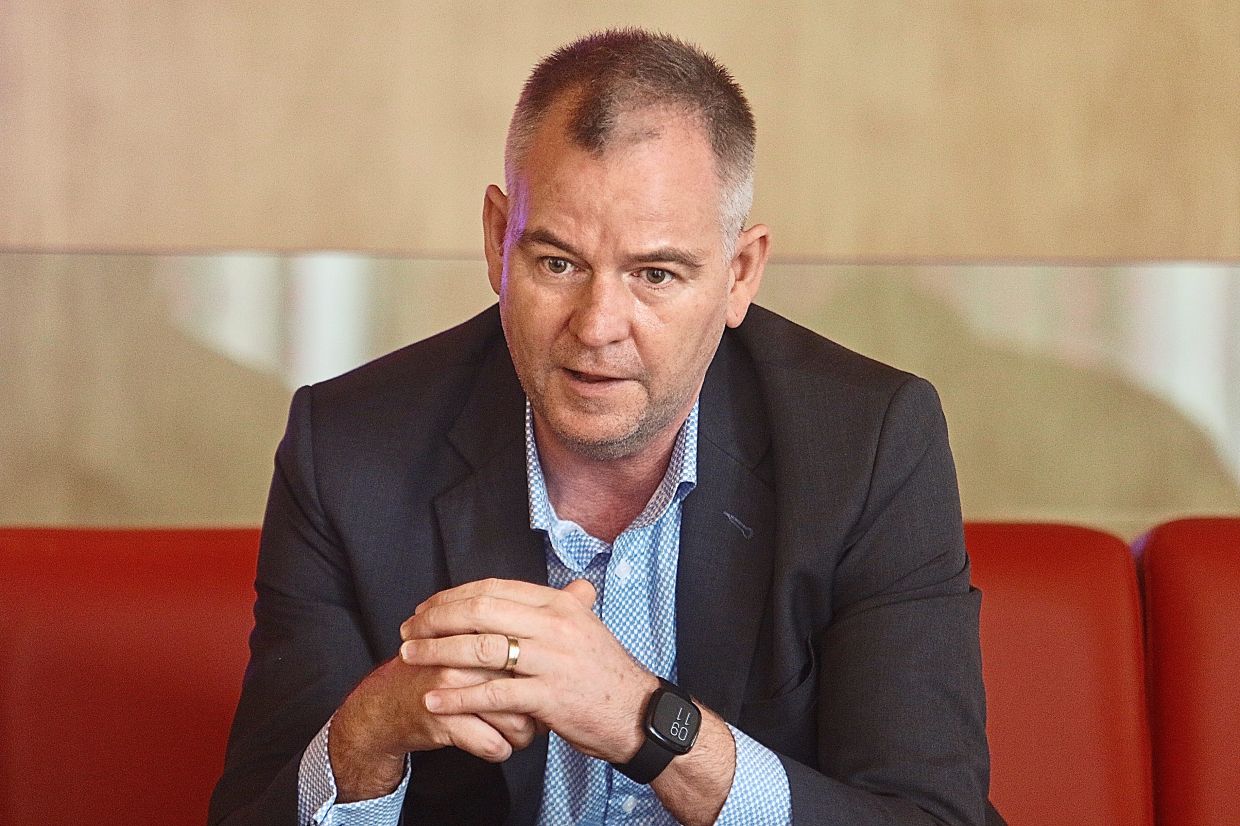
“It’s a world-class programme,” says Think City International senior director, Dr Matt Benson.
According to Think City – an urban rejuvenation consultancy – the nature-based climate adaptation programme is structured around four key components addressing the issues of heat stress and flooding while strengthening social resilience and institutional capacity.
“Basically, what we’re doing is we’re channelling the money we’re getting into four areas,” Benson explains.
“First, we’ll go into planting trees and greening the city to reduce the heat island impact because South-East Asia is one of the areas in the world that’s most likely to be impacted by climate change, and heat and extreme heat waves are one of the effects. So we’re planting trees to cool the city, create shade and channel the wind.”
Second, he says, is flood mitigation.
“This will be through retention of water upstream in small little interventions or dams, etc. And then as the water comes down, we will have surfaces we call ‘sponge cities’ that can soak up the water. There is no need for big infrastructure, this is a nature-based solution.”
The third area, says Benson, is vulnerable communities.
“We will look into vulnerable communities. Climate change disproportionately affects women, marginalised groups, children and elderly migrants for various reasons. So we have a special programme to look into that.”
The final area is the codification of knowledge.
“There’s only so much we can do here but the lessons we learn, the smart knowledge we acquire, we can share.
“In fact, we even have an allocation within the funding received to codify the knowledge, to capture the knowledge so that we can share it with other agencies,” he says.
Nature based solutions to deal with climate change is something that UN-Habitat executive director Datuk Seri Maimunah Mohd Sharif hopes to encourage other cities in the country to implement.
She says Kuala Lumpur mayor Datuk Seri Mahadi Che Ngah, for one, is keen to address the city’s flash flood problems.
“The Kuala Lumpur City Council would like to see how they can use innovations and new ways of looking at urban design and urban regeneration to mitigate flooding,” she says.
When the funding was open for applications, Penang immediately submitted an application, she says.
“The Penang council, DID and Think City were brave enough to try to implement this project. They just jumped in.
“Hopefully, we will replicate it in other cities, and I encourage other cities to submit their applications to the adaptation fund.”
Benson agrees that the nature-based climate adaptation programme can be replicated in other cities.
In fact, he shares that Think City has already started talking to other agencies about it.
“We are definitely having discussions with local authorities in the Klang Valley about applying these principles and adopting these methodologies through other funding and through their own funding.
“So absolutely, even the knowledge that we’ve acquired just from studying the Penang situation and of going through the process of getting the funding, we’re now already sharing with local bodies. To get the funding is not easy,” he notes.
Concurring, Maimunah anticipates that collaboration will be key in the future, and she is looking forward to working with UN-Habitat’s partners in Malaysia, especially Think City.
“We hope that Think City will also help us to disseminate these ideas.
“This type of collaboration is how it’s going to work in the future; we cannot do it alone, we have to collaborate with all the agencies together,” she says.
Already a subscriber? Log in
Get 20% OFF The Star Digital Access
Cancel anytime. Ad-free. Unlimited access with perks.
