It is crucial for pupils to develop real-world writing competence, especially in the age of artificial intelligence (AI), when human judgement needs to stay ahead of the tools.
While Malaysia achieved a milestone in the recently released South-East Asia Primary Learning Metrics (SEA-PLM) 2024 (see sidebar), experts stress that pupils’ ability to write must be understood beyond test performance.
Universiti Malaya languages and linguistics lecturer Dr Norfaizal Jamain said writing should be restructured as a core skill for personal development, not merely a tool to pass examinations.
“The main issue is that pupils see writing as a product rather than a process.

“If pupils merely ‘produce output’ without going through the processes of planning, structuring and evaluating ideas, they are not truly developing writing skills,” he told StarEdu.
While Norfaizal acknowledged that the SEA-PLM results reflect a child’s ability to organise, understand context and present ideas in a structured manner, he cautioned against assuming that all pupils have reached a high level of critical thinking.
“Data shows that only about 21% of Malaysian pupils tested achieved the highest level, meaning that the majority remain at moderate and lower levels,” he said.
A key weakness, he pointed out, is the excessive emphasis on grammar and format, rather than idea development and meaning-making.
“Pupils from vernacular schools also often face language transfer challenges that are not systematically addressed,” he added.
Real-world gap
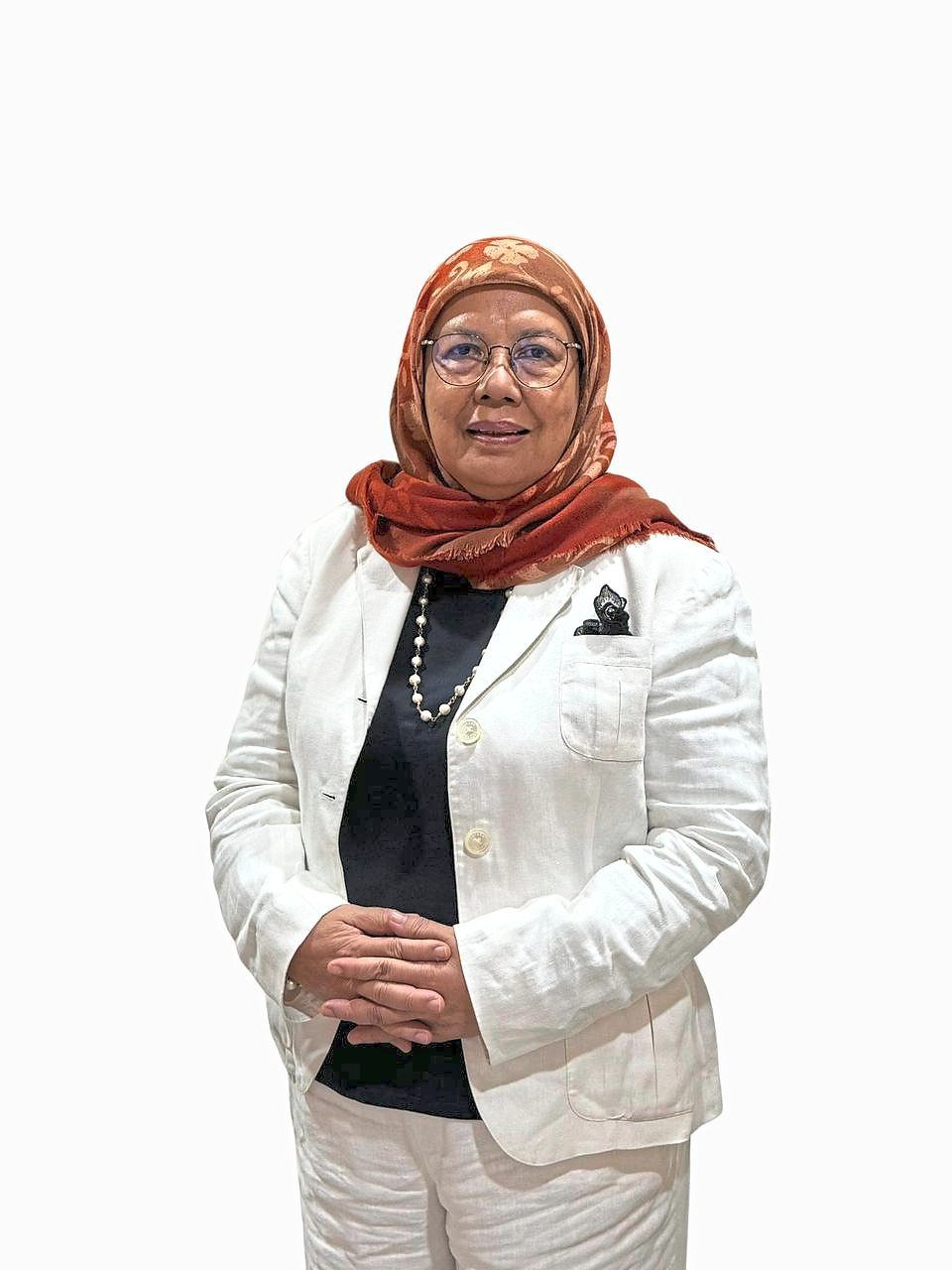
She said Malaysian graduates – despite being technically competent – sometimes struggle to translate complex ideas into layman’s terms.
“We are seeing a language barrier in STEM where technical vocabulary is known, but the ability to weave that vocabulary into a coherent, persuasive argument is still developing among many of our youth,” she said.
When students struggle with reading and writing at a complex level, their ability to interpret and communicate scientific problems is also affected, she added.
“Without the ability to communicate, a brilliant scientific discovery remains locked in a silo, unable to influence policy or improve lives,” she explained.
Critical skill
“As AI takes over the grunt work of generating code or basic technical documentation, the value of the human element shifts towards high-level synthesis and ethical oversight,” she said, stressing that writing plays a crucial role in this process.
“When a student writes a lab report or a research proposal, they are forced to organise chaotic data into a logical narrative.
“This process triggers deep critical thinking because you cannot write clearly about something you do not understand profoundly,” she explained.
In this context, Prof Noraini said, STEM professionals must not only be able to use AI, but also guide and evaluate it.
“We need individuals who can ‘write’ effective prompts and critically assess AI-generated output to ensure accuracy and human relevance,” she said.
Without these foundational skills, she added, students who over-rely on AI may lose the ability to spot errors.
In an AI-driven world, those who can write with clarity, authority and empathy will lead, while those who rely solely on clicking “generate” risk remaining replaceable, she asserted.
Rather than rejecting AI, Norfaizal said the focus should be on how it is used as a support tool in the writing process – not a substitute for thinking.
“For example, pupils should demonstrate initial drafts, language refinement and justification for revisions,” he said.
He added that writing instruction must shift from structure-oriented exercises to approaches grounded in discourse, argumentation and reflection to truly strengthen critical thinking.
“Otherwise, we risk producing graduates who are dependent on technology but weak in real communication abilities,” he said.
Enhancing learning
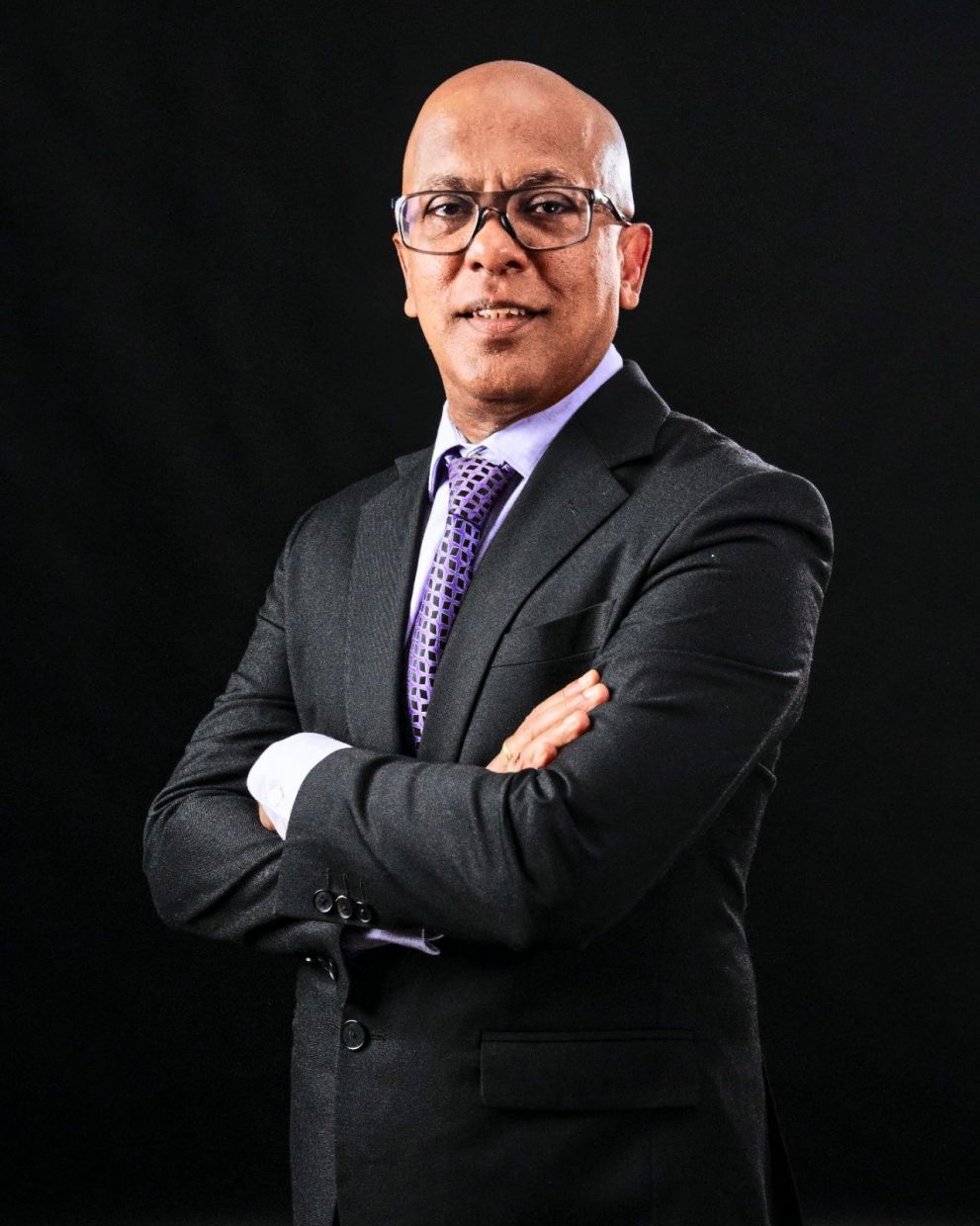
Malaysian English Language Teaching Association (Melta) president Prof Dr Sivabala Naidu said pupils with limited exposure to language-rich environments often produce shorter, formulaic responses, relying on memorised patterns.
He emphasised that creating a low-anxiety learning environment is important in developing writing skills, encouraging pupils to take risks, make mistakes and improve.
“Oral rehearsal, collaborative writing and peer interaction help bridge thinking and written expression,” added Prof Sivabala, who is also the dean of the Faculty of Social Sciences at Quest International University.
Beyond that, Norfaizal suggested adopting a differentiated education approach – teaching based on language proficiency levels, integrating linguistic support strategies and using authentic texts relevant to pupils’ backgrounds.
“Additionally, teacher training should focus on language-responsive pedagogy, rather than merely content delivery.
“Without these changes, achievement gaps between school types will persist despite a seemingly uniform curriculum,” he said.