
WITH 11 new PERMATA Kurnia Centres (PPKs) set to be rolled out nationwide, stakeholders, while welcoming the move, say that equitable access to early autism intervention remains to be strengthened.
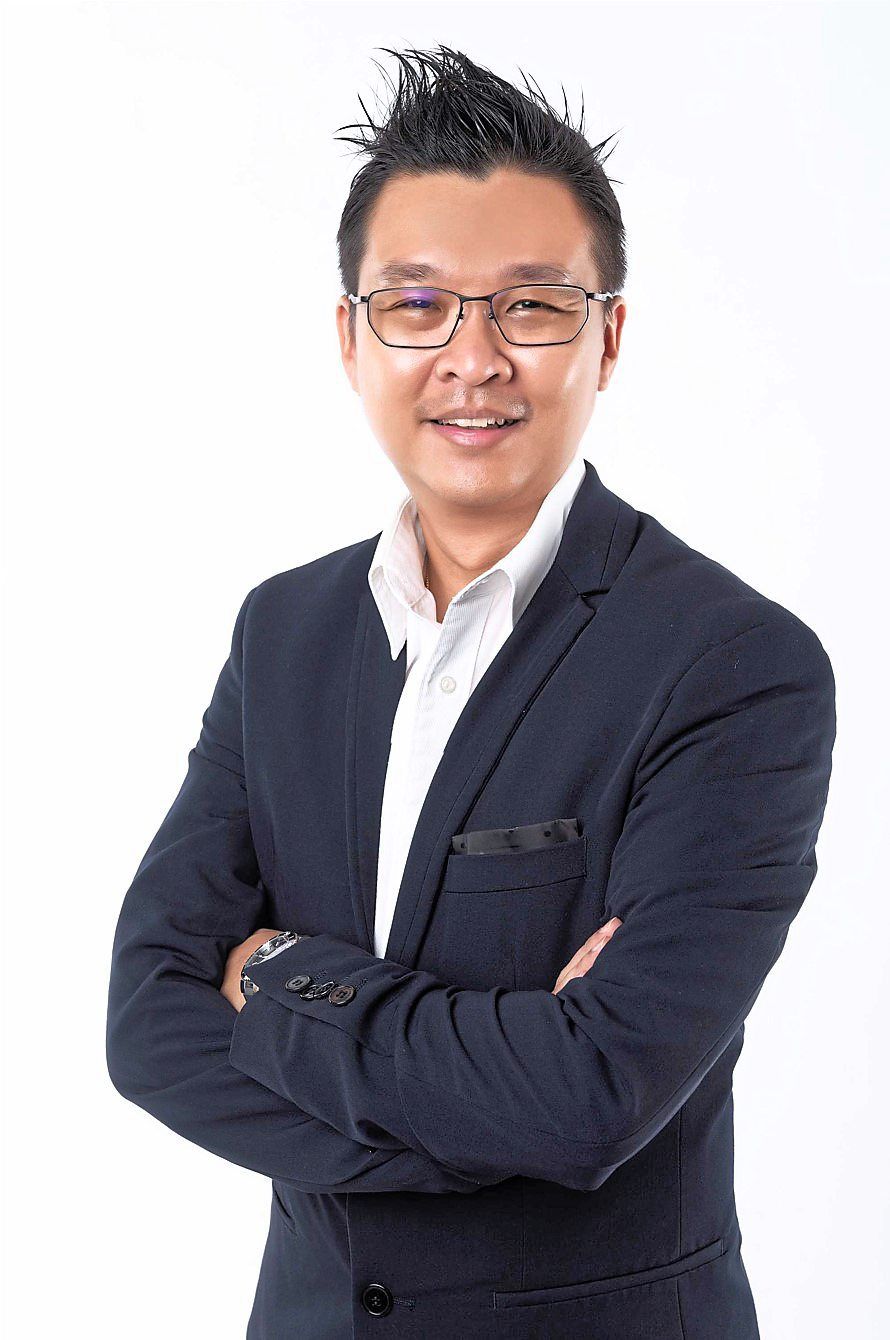
National Autism Society of Malaysia (Nasom) chairman Julian Wong said while these centres are a beacon of hope, many B40 and rural families still struggle to access early diagnosis.
He added that while official registry numbers of OKU (Persons with Disabilities) cardholders show an upward trend, they represent only a fraction of the actual population.
“Global prevalence rates suggest that one in 100 children may be on the autism spectrum.
“In Malaysia, this implies that thousands of children are born each year who will require some form of support,” he noted.
Education Ministry PPK director Dr Zuraidah Ismail, during a media engagement on March 16, said that the Education Ministry is set to expand special education support beyond its existing two PPKs with the rollout of 11 new centres across the country.
The third branch, located in Alor Setar, Kedah, will be the first in the Northern Zone and is expected to accommodate up to 180 children when fully operational.
Following Kedah’s launch this June, five more centres are scheduled to open in 2027, one in 2028, and the remaining centres by 2030.
Wong emphasised that closer collaboration between PPKs and non-governmental organisations (NGOs) could create a unified approach, maximising the impact on support and outcomes for children with autism.
“We should not view these entities as competitors, but as a unified front,” he said.
He outlined several areas for cooperation, including aligning intervention standards, sharing resources and ensuring continuity of care as children transition between programmes.
“PPKs focus on the early years, while Nasom provides support across the lifespan. Together, we can ensure no child is left behind,” he said.
Ensuring quality
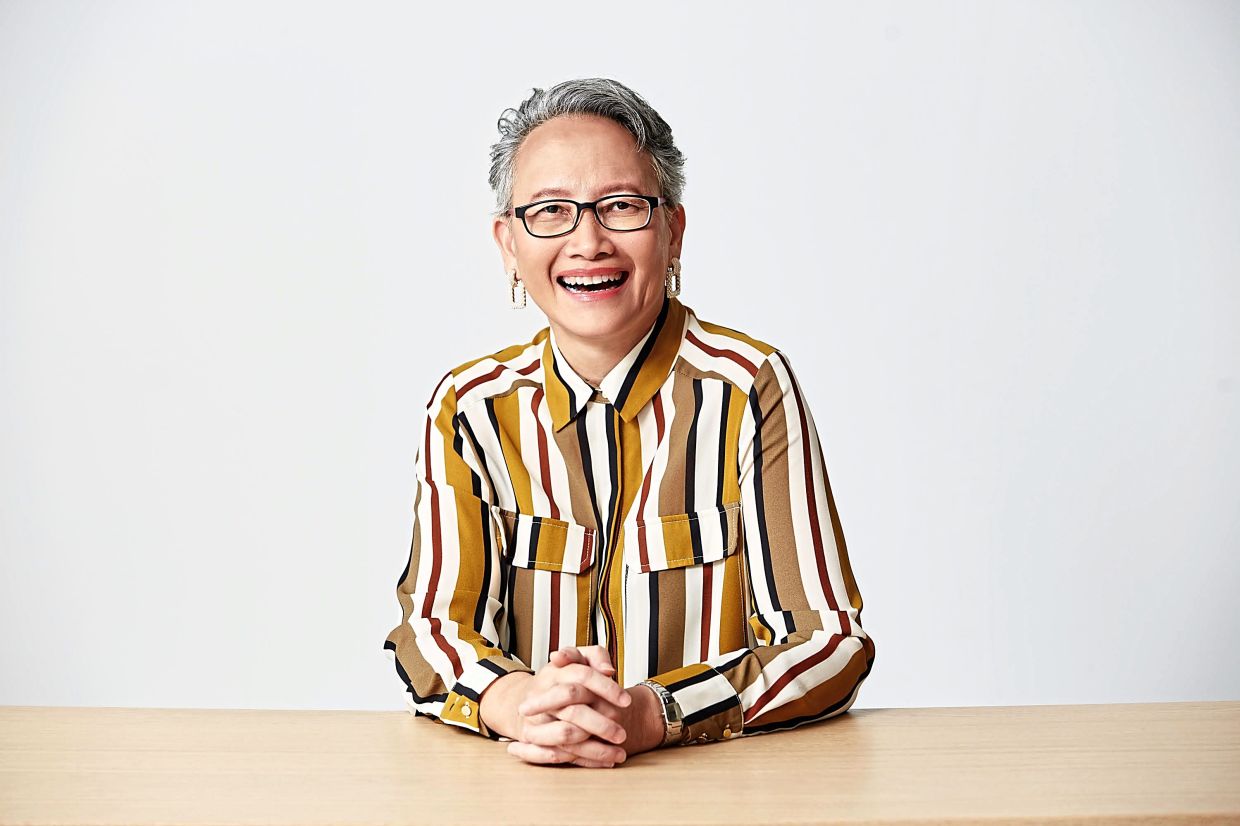
Even as gaps remain, Wong said that for families outside the Klang Valley, where specialised services have historically been concentrated, the expansion signals a long-awaited shift towards more equitable access, if effectively implemented.
“By establishing the Northern Zone hub in Kedah and expanding to 11 centres, we are finally moving towards a model where a child’s progress is not determined by their postcode,” he said.
“The addition of 11 PPKs, specifically the Kedah branch serving 180 children, directly injects much-needed ‘seats’ into the system. It helps move the needle from ‘waiting for help’ to ‘receiving help’ during those critical preschool years,” he added.
Wong, however, warned that infrastructure without sufficient human capital could create new bottlenecks.
“The quantity of centres must be matched by the quality of care.
“We need an aggressive pipeline of speech therapists, occupational therapists and special education teachers,” he said.
He also called for financial and long-term support measures for middle-income (M40) families, as they often fall through the cracks – earning too much to qualify for aid but not enough to afford intensive private therapy.
“Post-18 support is equally important. We must start planning for vocational training and sheltered employment so that the progress made at PPKs doesn’t hit a ‘cliff’ once a child reaches adulthood,” he added.
Agreeing, Parent Action Group for Education Malaysia (PAGE) chairman Datin Noor Azimah Abdul Rahim noted that expanding special education centres is only the first step, as quality must match scale.
“We need well-trained specialists, consistent intervention standards, and strong parent support programmes – because progress doesn’t stop at the classroom; it continues at home,” she said.
She outlined three key focus areas for the centres, including early detection, teacher training and continuity of support.
“Intervention must start early, educators must be equipped to handle diverse needs, and support shouldn’t end when a child leaves the centre; it must extend to mainstream schools and daily life,” she said.
She also stressed the need for collaboration beyond the centres themselves.
“Strong partnerships with NGOs and local communities can provide therapy support, parent training and safe social spaces, ensuring children are supported not just academically, but also socially and emotionally,” she added.
Acknowledging the shortage of specialists, Zuraidah Ismail said a key challenge in the expansion is staffing the growing network of centres.
“The Education Ministry has proactively addressed this through detailed workforce projections and active recruitment of interventionists.
“Ongoing discussions with the Health Ministry and the Department of Social Welfare are strengthening cross-agency collaboration, ensuring a steady supply of specialists as new centres open,” she said, adding that at the same time, the ministry is also investing in structured training programmes and continuous capacity-building initiatives.
Ultimately, Wong said, the success of the expansion will depend not just on infrastructure and policy, but also on public awareness and societal attitudes.
“Awareness is what stops a child from being judged in a grocery store and starts the process of workplace inclusion,” he said.
Towards an inclusive society

Awareness alone is not enough. Autism cannot be fully understood through labels or brief explanations. Every autistic child experiences the world differently, and without taking the time to truly understand them, it is easy to misjudge what we do not immediately relate to.
We need to go beyond simply knowing and start connecting. Listen, observe, and most importantly, include them. Invite them into conversations. Sit with them and be patient when they communicate differently.
Too often, people assume that a child’s behaviour is due to poor parenting, lack of discipline, or overuse of devices. These assumptions create distance instead of understanding.
What autistic children need is not judgement, but acceptance and genuine effort. They are not problems to be fixed, but individuals with their own strengths, emotions, and ways of expressing themselves. When we choose to understand and act, we begin to build a kinder, more empathetic community.
I have a cousin who is autistic, and I have seen how much even the smallest gesture can matter. Something as simple as a smile can make him feel safe, welcomed and valued. Maybe the real question we should ask ourselves is: ‘Do the people around us feel like they belong?’
A friendlier community does not happen by chance; it happens when we decide that no one around us should feel invisible.
Isabel Lim, 15
During my autism journey, I have come to understand why such spaces matter. First, the buzzing or humming of fluorescent lights can be highly irritating for those with auditory sensitivities. Second, flickering and harsh brightness can overstimulate those with visual sensitivities.
For many autistic children, environments like classrooms, malls or community halls can feel overwhelming due to noise, lighting and crowds. Having a designated space to step away allows them to regulate their emotions, prevent distress from escalating, and return to activities feeling calmer and more in control.
Aaron Lim, 21
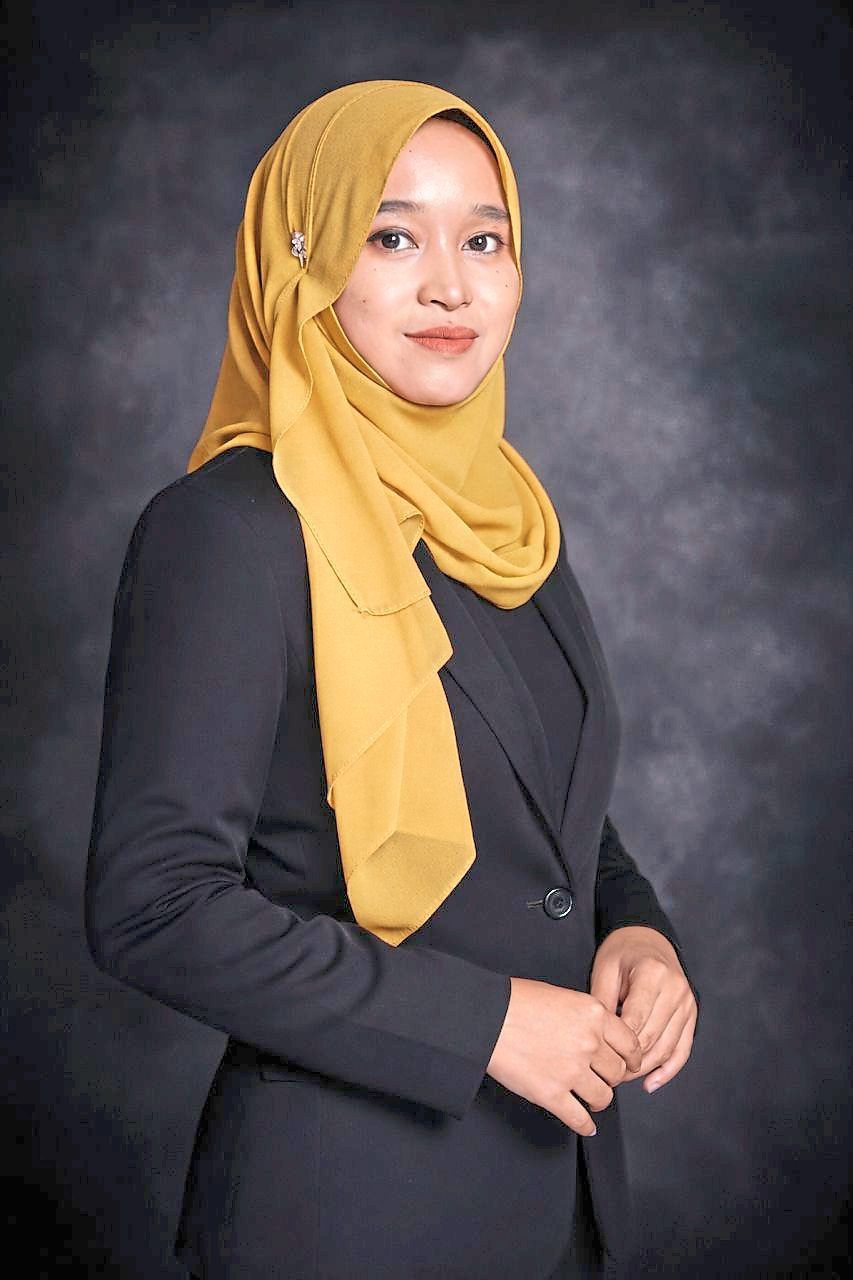
One impactful change is implementing inclusive digital gamification. By providing interactive technology and multimedia skills training, we can create an environment where autistic kids can thrive. Equipping every student with the tools to explore digital worlds fosters a sense of belonging and ensures their unique talents are recognised by the community.
Siti Ainulmursyida Shamsudin, special education teacher at SMK Orkid Desa, Kuala Lumpur