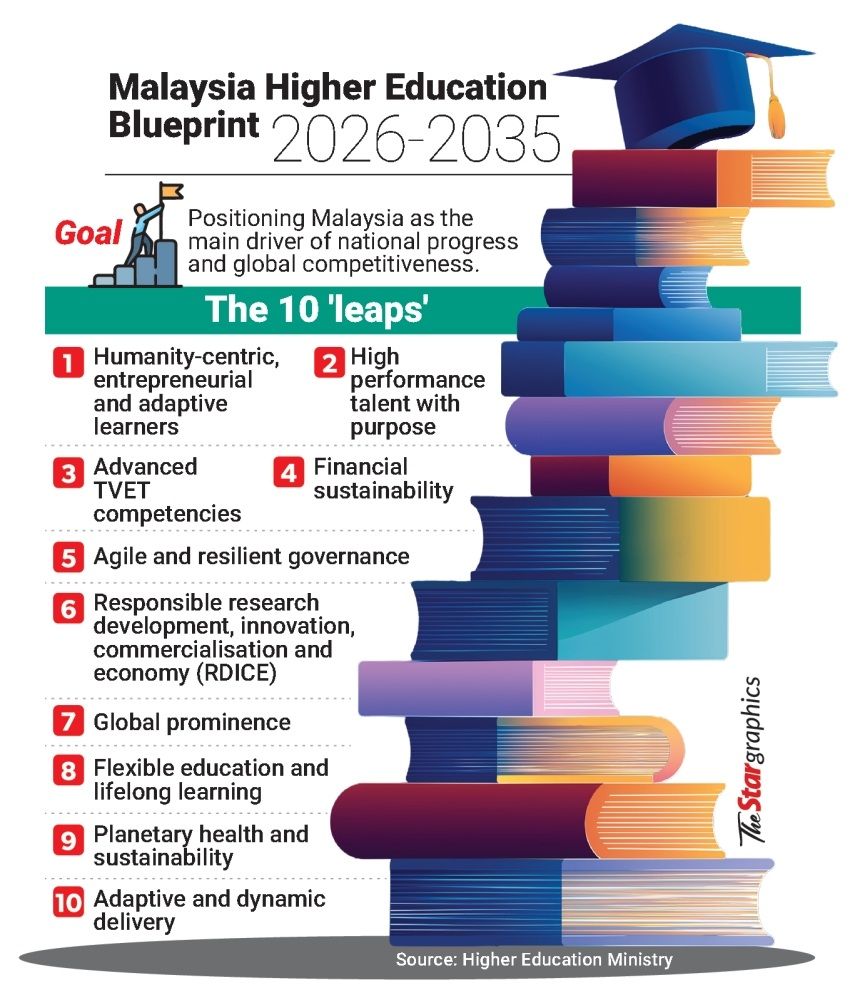
WHILE the National Education Plan (NEP) 2026-2035 sets out bold reforms, its success will ultimately be measured by the quality of student graduate outcomes, academics say.
Welcoming the plan’s emphasis on supporting students with special needs and those from low-income families, National Association of Private Educational Institutions deputy president Dr Teh Choon Jin, however, cautioned that access alone is not enough.

“Beyond free education, we must also make sure campuses, teaching methods and digital systems are truly inclusive, so these students can succeed – not just enrol,” he said, adding that the concern extends to the NEP’s expansion of high-demand university courses such as artificial intelligence, data science and economics.
Teh warned that increasing places alone would not address skills gaps without the necessary capacity in place.
“These fields require highly specialised lecturers, strong industry collaboration and updated infrastructure,” he stressed, noting that rapid expansion without addressing quality risks diluting standards rather than strengthening outcomes.
While both Teh and Malaysian Association of Private Colleges and Universities (Mapcu) president Datuk Parmjit Singh expressed support for the Federal Constitution and Malaysian history to be incorporated into the higher education syllabus through a revised General Studies subject, they stressed that how these subjects are delivered matters as much as the nation-building mandate itself.
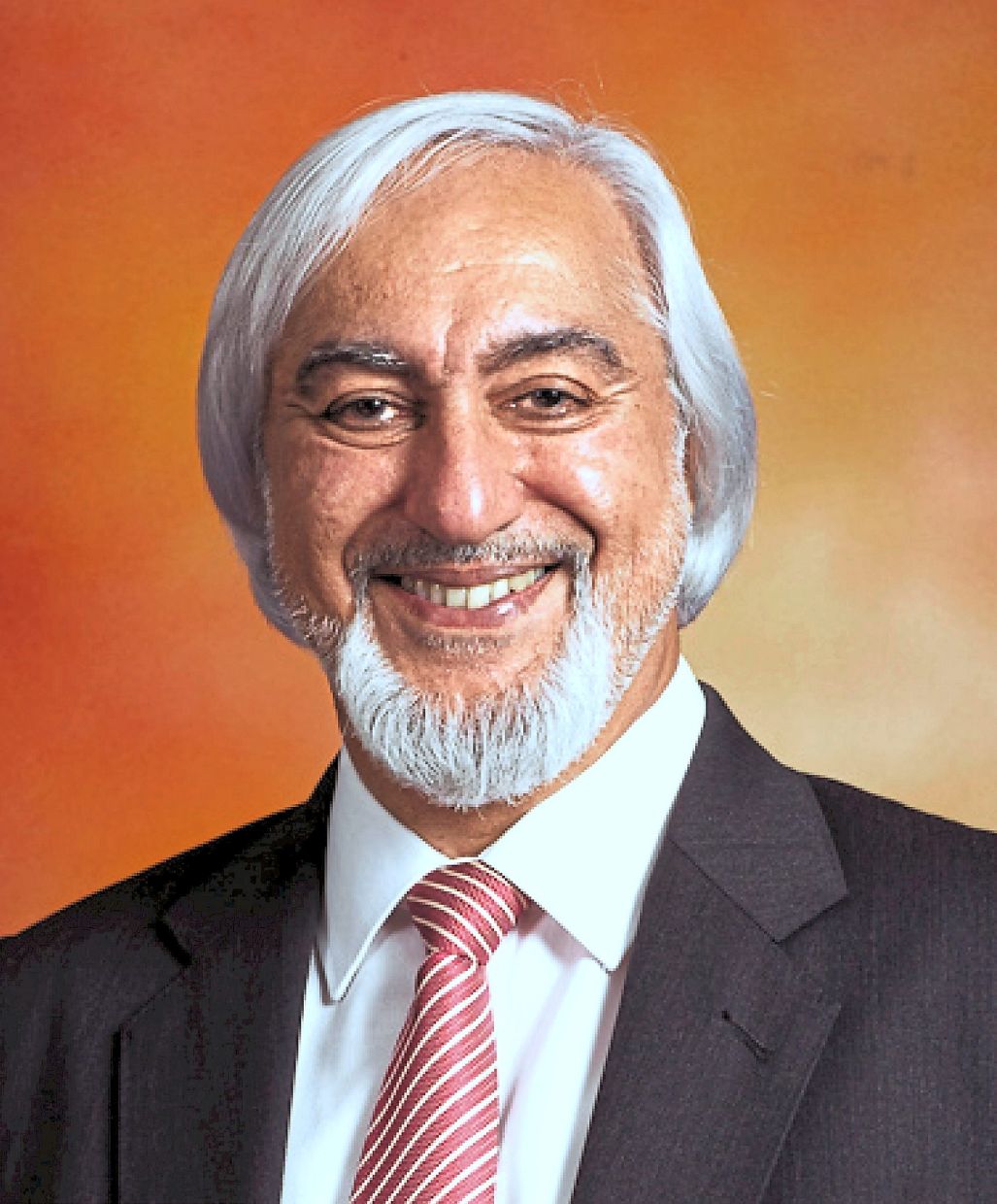
Parmjit said institutions should be given flexibility to ensure these modules are engaging for younger learners, rather than simply fulfilling credit requirements.
He added that Mapcu also supports Prime Minister Datuk Seri Anwar Ibrahim’s emphasis on karamah insaniah, which prioritises values, ethics and character as the foundation of education, and is committed to nurturing graduates with both intellectual capability and moral integrity.
Made up of two main blueprints – the Malaysia Higher Education Blueprint 2026-2035 (see infographic) and the Malaysia Education Blueprint 2026-2035, launched by Anwar on Jan 20 – the NEP outlines a comprehensive learning journey from preschool to university.
Meanwhile, Teh highlighted the need for a realistic transition for schools across different pathways – including international, religious and Unified Examination Certificate (UEC) streams – to offer Bahasa Melayu (BM) and History subjects aligned with the Sijil Pelajaran Malaysia syllabus.
He said such alignment would likely require a full cohort cycle of about three to five years.
“For students already in the final years of international or UEC programmes, suddenly making BM or History compulsory would be disruptive,” he opined.
Ideally, he said, the alignment should begin earlier, at lower secondary or its equivalent, allowing students to gradually build the necessary skills without affecting their academic progression.
“If not managed carefully, there is a real risk that access could narrow,” Teh cautioned, noting that Malaysia’s strength lies in its diversity of education pathways and international orientation.
“Phased implementation, optional bridging and clear communication can uphold national priorities while maintaining opportunities,” he said.
“It’s about integration, not exclusion – ensuring students gain valued skills while keeping Malaysia an open and welcoming education hub.”