IN line with the Malaysia Higher Education Blueprint (RPTM) 2026-2035, Universiti Sains Malaysia (USM) is setting up Credentia, a flexible education and credentialing unit, to complement the existing micro-credential ecosystem and the micro-credentialing mechanism for flexible education pathways.
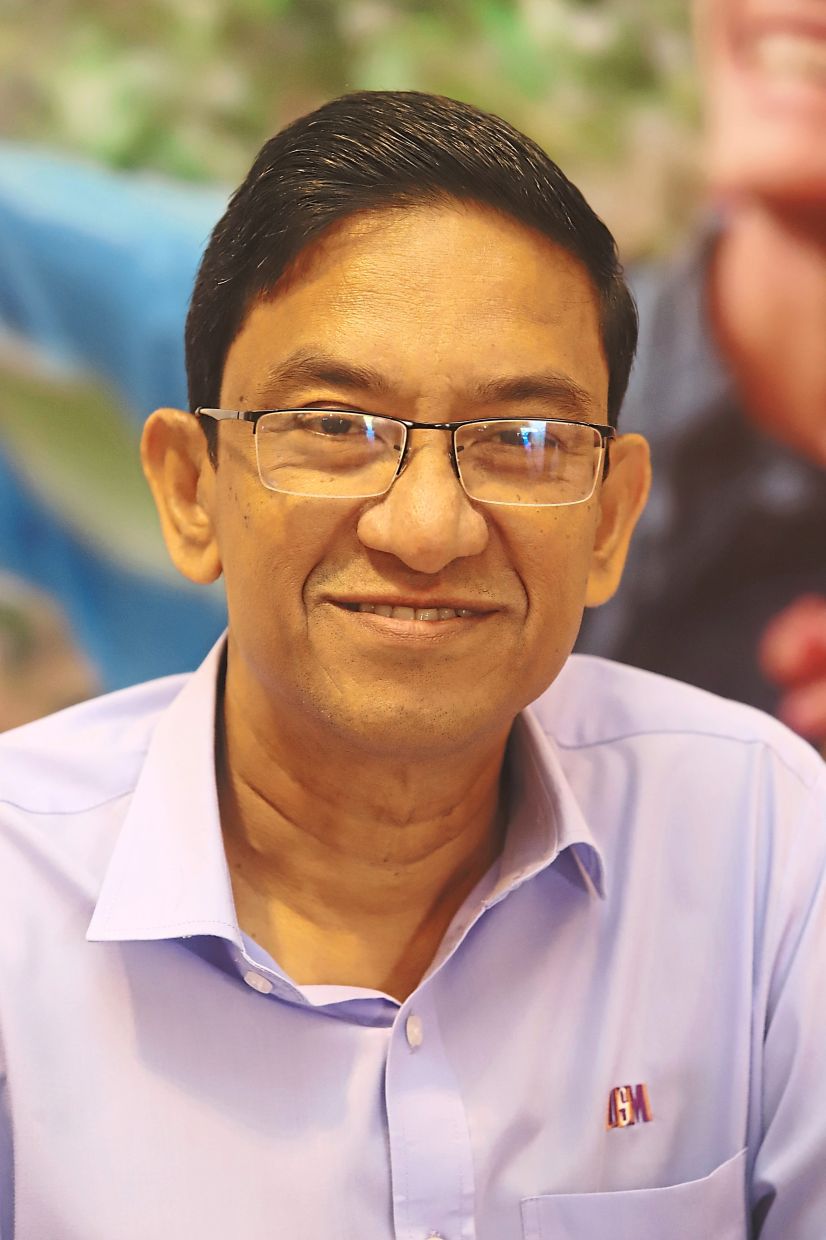
Its vice-chancellor Prof Datuk Seri Dr Abdul Rahman Mohamed (pic) said Credentia serves to coordinate the awarding of the Malaysia Micro-credential Statement for credit transfer purposes, while supporting the systematic implementation of lifelong learning at the university level.
The setting up of this unit reflects USM’s commitment to institutionalising flexible education as part of the national ecosystem, rather than as a separate initiative, he said in a Jan 23 press release.
“Through Credentia, USM is establishing a Micro-Credential Credit Bank System (MCCBS) to administer and manage credits, supporting the collection, merging and transfer of micro-credentials that would lead towards the attainment of higher qualifications, including stackable degrees.
“MCCBS is developed in parallel with the Academic Bank Credits (ABC) concept to allow for integration into a national platform in the future.
“This approach will ensure standardisation of USM’s structure, administration and policies in line with the RPTM 2026-2035 agenda,” he added.
The Credentia and MCCBS initiatives, he said, would position USM as a strategic partner in the national agenda to broaden access to flexible and inclusive higher education.
On Jan 20, Higher Education Minister Datuk Seri Dr Zambry Abd Kadir announced the setting up of ABC, a centralised digital depository that allows students to collect, store and redeem learning credits.
Through ABC, students are given full insight into their credit assets, he said during his New Year’s address, adding that this is in line with the RPTM.
“Instead of following the conventional model of studying continuously for several years before obtaining a qualification, students can gradually accumulate credits and eventually redeem them for a diploma or degree,” he said.
Zambry also described the move as part of a broader reform of higher education, including the proposed “four-quadrant university” system, and said the approach reflects global trends in making lifelong and flexible learning more accessible.
“This is not only happening in Malaysia, but is also being implemented around the world to provide greater opportunities for students,” he said. — By JAAYNE JEEVITA