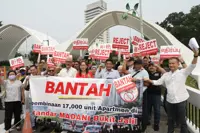
RESIDENTS in and around Taman Seputeh in Kuala Lumpur are concerned over a proposed six-tower condominium project averaging more than 50 storeys.
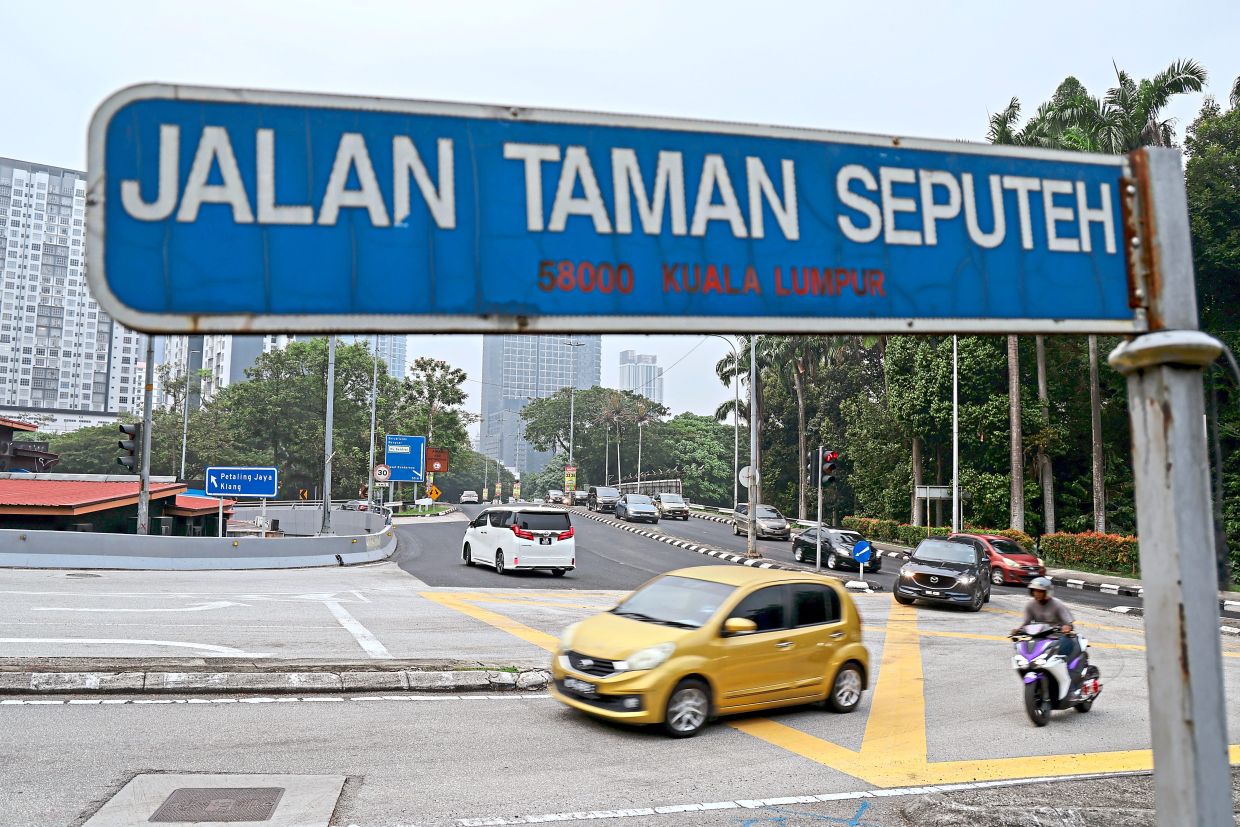
The planned development sits on a hill along Jalan Taman Seputeh, the primary access road into the neighbourhood.
Occupying 7.53ha across nine combined private plots, the project has sparked widespread concern among residents over its potential environmental and traffic impacts.
These concerns were raised to authorities during a public engagement session on Oct 2.
Environmental concerns
The 1,291-unit project will be developed over nine years across three phases.
During an engagement last month, representatives of the developer and consultants outlined the project’s layout: Phase 1 will feature 495 units (52 storeys), Phase 2 will add 466 units (48 storeys), and the final phase will comprise 330 units across 60 storeys.
In addition to surrendering the mandatory 10% of the site to Kuala Lumpur City Hall (DBKL) for public green space, the developer stated it would allocate a further 10% as private green space.
However, Setia Sky Seputeh management committee chairman Mohd Azmal Khan argued that this allocation was insufficient to mitigate potential environmental damage.
“To build this condominium, the developer will need to cut the slope and remove most of its greenery. This will destroy the slope’s water catchment capability, increasing the risk of landslides and flash floods,” he said.
“The current drainage system in the area is inadequate for the additional runoff that will be channelled into the drains once the project is completed. As far as I know, the developer has not proposed any additional drainage or sewerage infrastructure.
“There have been numerous landslides in Taman Seputeh over the years. Do we want history to repeat itself?” he added.
Setia Sky Seputeh is located directly opposite the proposed construction site.
Also expressing similar fear of landslide and flood risks is Daneashwaran Sivapathasundaram, a resident of Jalan Bukit Raja located behind Setia Sky Seputeh.
“Tarpaulins have already been placed over part of the slope, indicating that the land is problematic,” he said.
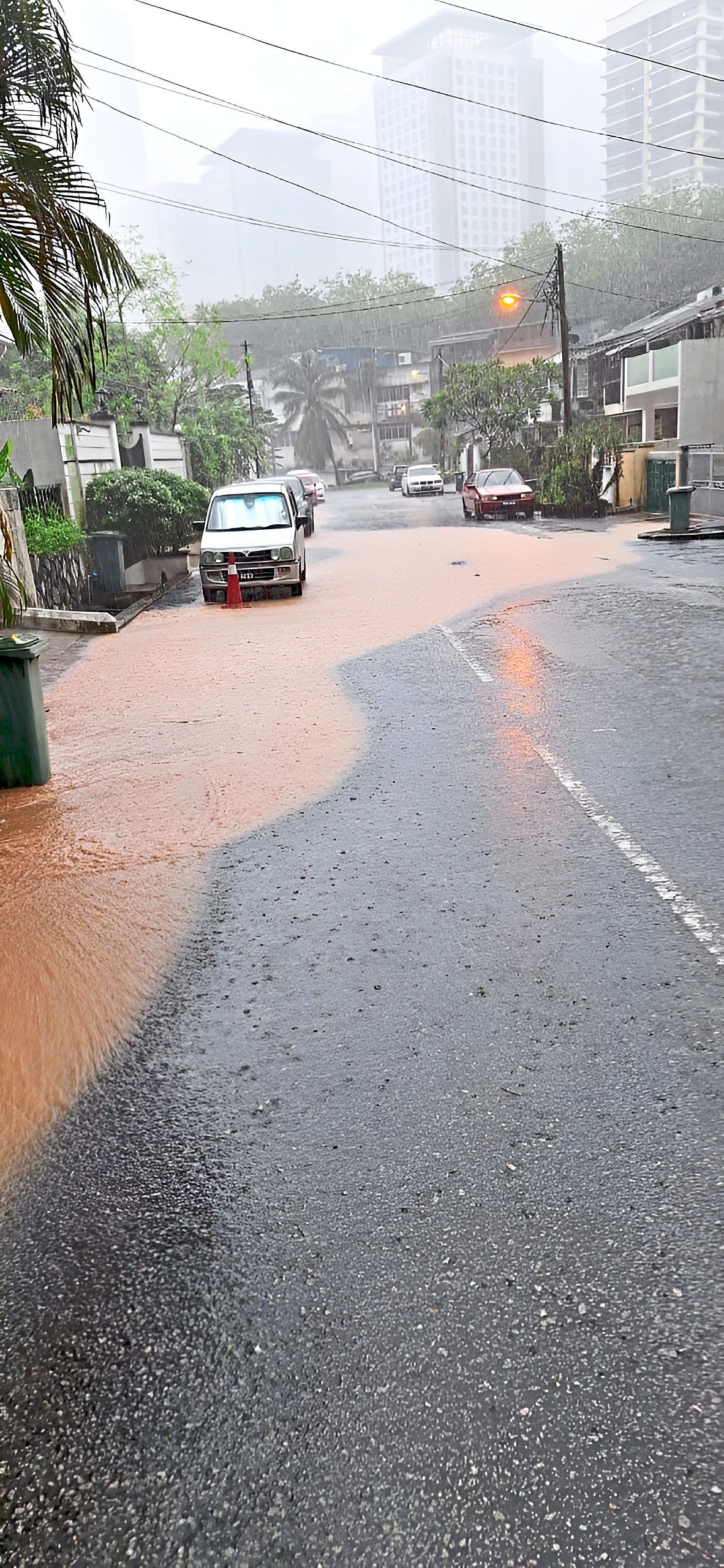
“Furthermore, Jalan Bukit Raja floods whenever a new high-rise is built nearby. In the most recent incident a few years ago, the entire street was inundated with muddy water running off a high-rise construction site,” he said.
Phua Ser Yee, a resident of Robson Condominium on the opposite side of the hill, warned of worsening soil erosion.
“Robson Condominium sits on the slope, so we are extremely concerned about earth movement. Lately, we have noticed surface runoff occurring on the hill during heavy rain.
“The hill is also home to wildlife, particularly bird species. Clearing the greenery will decimate their habitat,” Phua added.
An environmental impact assessment (EIA) consultant present at the session stated that the project’s EIA report was approved on July 31, subject to 32 conditions designed to minimise environmental impact.
“Before construction begins, the developer must submit an Environmental Management Plan outlining site control measures. An environmental officer will also be stationed on-site daily to monitor compliance,” the consultant explained.
Traffic concerns
Mohd Azmal noted that traffic along Jalan Taman Seputeh is already critical during peak hours and warned it would deteriorate further when the development introduces an estimated 5,000 additional vehicles to local roads.
“During peak periods, traffic at the Jalan Tun Sambanthan–Jalan Taman Seputeh junction backs up all the way into Brickfields,” he said.
“On Jalan Taman Seputeh itself, severe bottlenecks occur between Sri Tiara and Seputeh Permai condominiums. The road is too narrow, so traffic grinds to a halt whenever buses or cars stop along the roadside.”
The project’s traffic impact assessment (TIA) consultant stated during the session that the Jalan Taman Seputeh–Jalan Tun Sambanthan junction would be upgraded to improve flow, though specific details were not disclosed.
Mohd Azmal urged authorities to release the project’s TIA report for public scrutiny.
“DBKL should evaluate new development proposals within a holistic regional context rather than relying on piecemeal data,” he added.
Bukit Bintang MP Fong Kui Lun, who attended the session, echoed calls for transparency regarding the TIA report.
“Traffic diversions or alternative access routes may need to be established to address congestion. I will raise these points directly with DBKL,” Fong said.
Meanwhile, Bukit Bintang Federal Territories People’s Representative Council (Sub-Zone 4) chairman Cynthia Hor called for a comprehensive traffic management plan from DBKL.
She highlighted that if approved, the condominium construction will coincide with ongoing work on the New Pantai Expressway Extension Project (NPE 2), severely compounding traffic volume along key arteries such as Jalan Syed Putra and Jalan Tun Sambanthan.
“Part of NPE 2 will be elevated above the Federal Highway. Transporting construction materials to the site will require a steady stream of heavy vehicles.
“DBKL must look at the bigger picture rather than approving projects in silos,” she said.
Not yet approved
Kuala Lumpur mayor Datuk Seri Fadlun Mak Ujud clarified that the proposed condominium has not been approved and remains in the stakeholder engagement phase under Rule 3 of the Planning Rules.
“Engagement with stakeholders will continue until residents are satisfied with the proposed development plan and mitigation measures,” he said when met at the Jalan Datuk Sulaiman 3 playground in Taman Tun Dr Ismail, last month.
“Public hearings will take place across multiple stages – during planning, prior to earthworks approval, and before construction commences,” he said.
“The developer must resolve all issues raised by stakeholders regarding traffic and earthworks before any approval is granted.”
Minister in the Prime Minister’s Department (Federal Territories) Hannah Yeoh stated that any development applications seeking deviations from the gazetted land use in the Kuala Lumpur Local Plan 2040 must undergo the Rule 3 engagement process.
“I want to reassure Kuala Lumpur residents that this is a mandatory statutory process, so please do not be alarmed when you receive a public hearing notice,” Yeoh said.
“All objections and feedback will be compiled and evaluated by the mayor before a decision is reached. Residents can also consult their local MPs, who have direct access to the One Stop Centre (OSC) 3.0 Plus Portal where all development application details are published.”