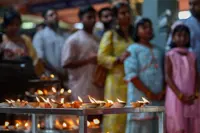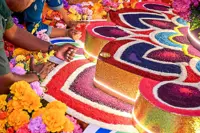
Deepavali brings people together, with bazaars and open houses keeping traditions alive
Across the country, streets lined with Indian businesses came alive with vibrant colours, dazzling lights and the festive buzz of Deepavali.
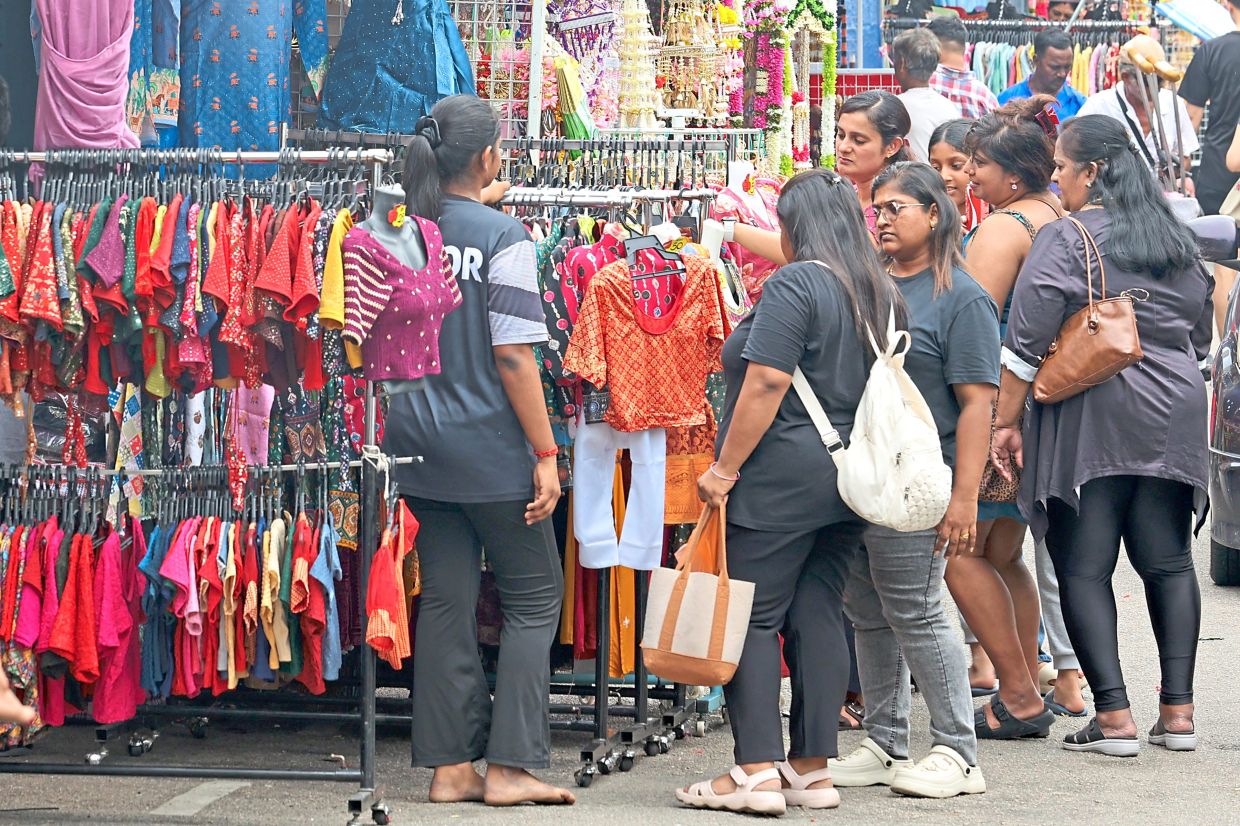
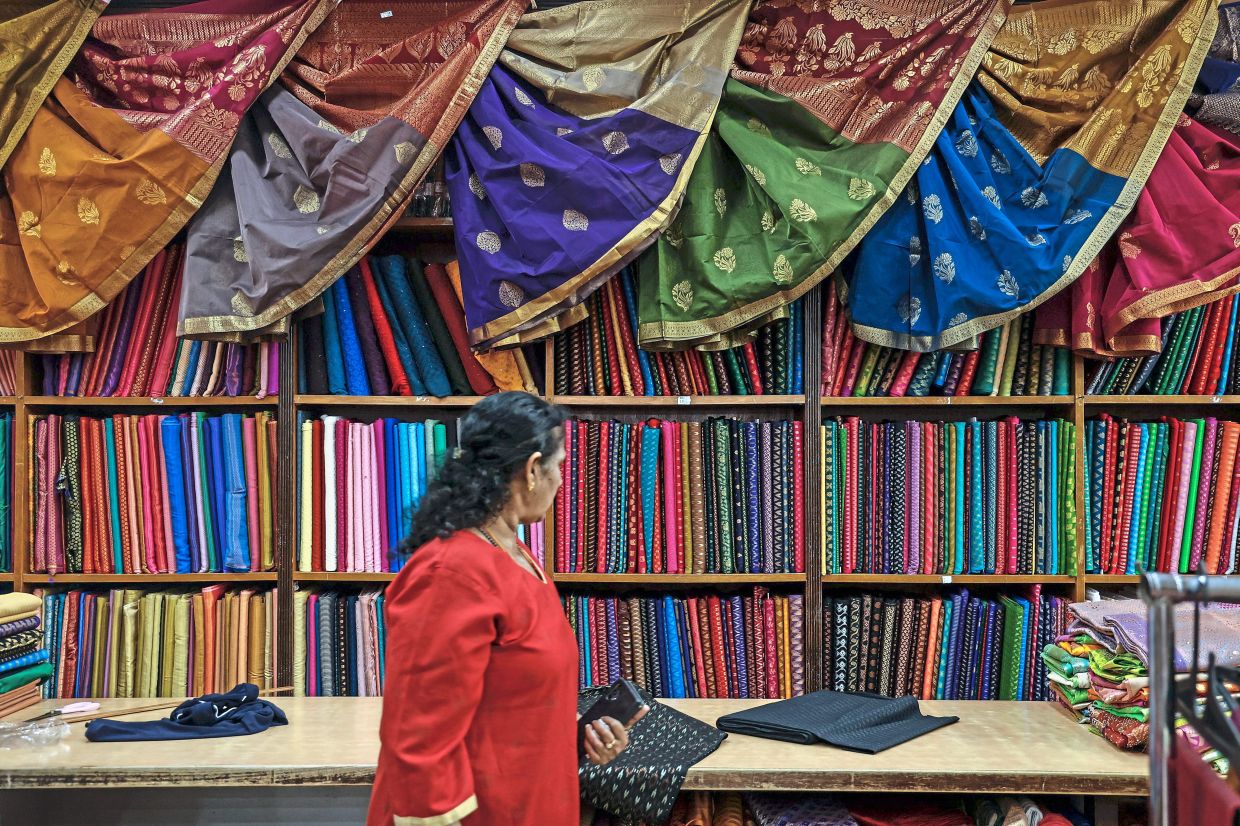
Traders offered a wide variety of festive essentials, from colourful clothes, home decoration items, artificial flowers and traditional snacks to prayer items.
From Penang’s Little India and Ipoh in Perak to Jalan Tengku Kelana in Klang, Selangor, as well as Little India in Brickfields, Kuala Lumpur, and Jalan Ungku Puan and Jalan Trus in Johor Baru – the Deepavali spirit was in full swing since last month.
Celebrated as the triumph of light over darkness and good over evil, Deepavali is deeply rooted in tradition, bringing families and friends together to mark the occasion.
According to a Bernama report, the growing popularity of online shopping has not diminished the appeal of physical bazaars.
Thousands of people thronged festive markets across the country, undeterred by the rain and haze this year.
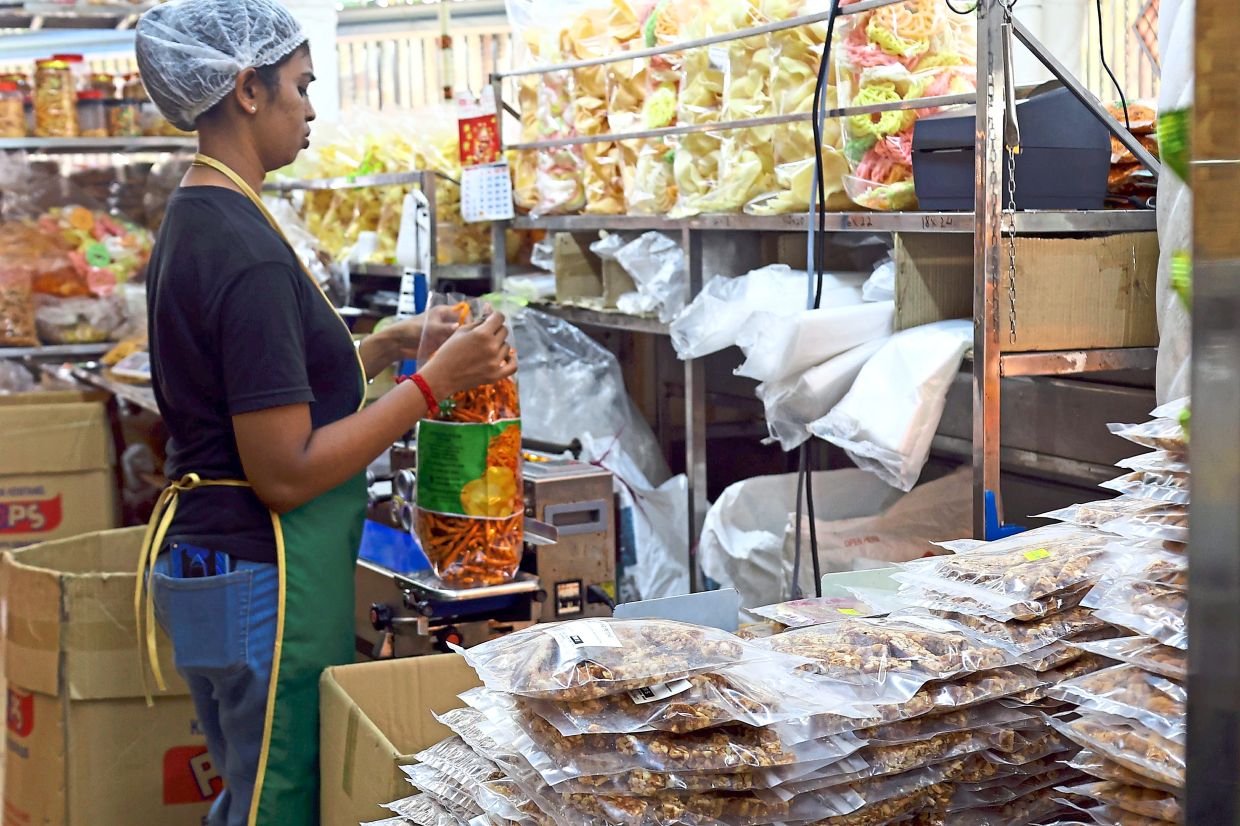
While preparing muruku and achu muruku at home was once an essential pre-Deepavali tradition, many now prefer to buy these treats instead.
The wide selection available at festive bazaars, retail and online stores has made this a convenient option.
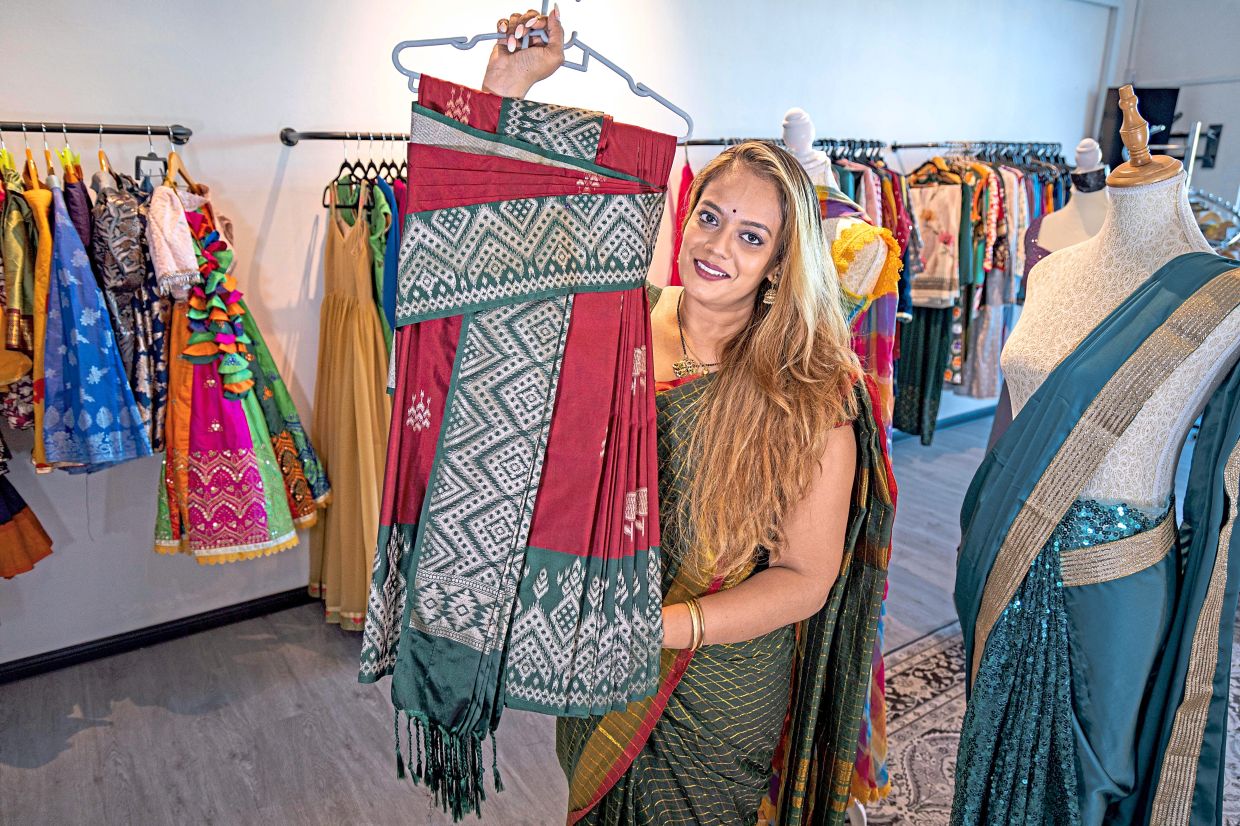
Meanwhile in Ipoh, Perak, fashion designer and tailor SC Kavitha is making it easier for women to embrace traditional attire with her range of ready-made and pre-pleated sarees.
She said these sarees started gaining popularity about five years ago, with demand increasing each year ahead of Deepavali.
“With ready-made and pre-pleated sarees now available, more young people are interested in wearing them,” she said.
The sarees come fitted with buckles or hooks at the waist, much like a traditional kain sarung, she added.
For G. Thanaletchumi, from Kota Baru in Kelantan, a Deepavali celebration is incomplete without traditional homemade favourites and the joy of sharing food with guests from different communities.
For the 48-year-old, ulam budu remains a family favourite, muruku is a must-have festive treat, while thosai served with mutton or chicken curry is a breakfast spread that her guests look forward to, especially her Malay friends.
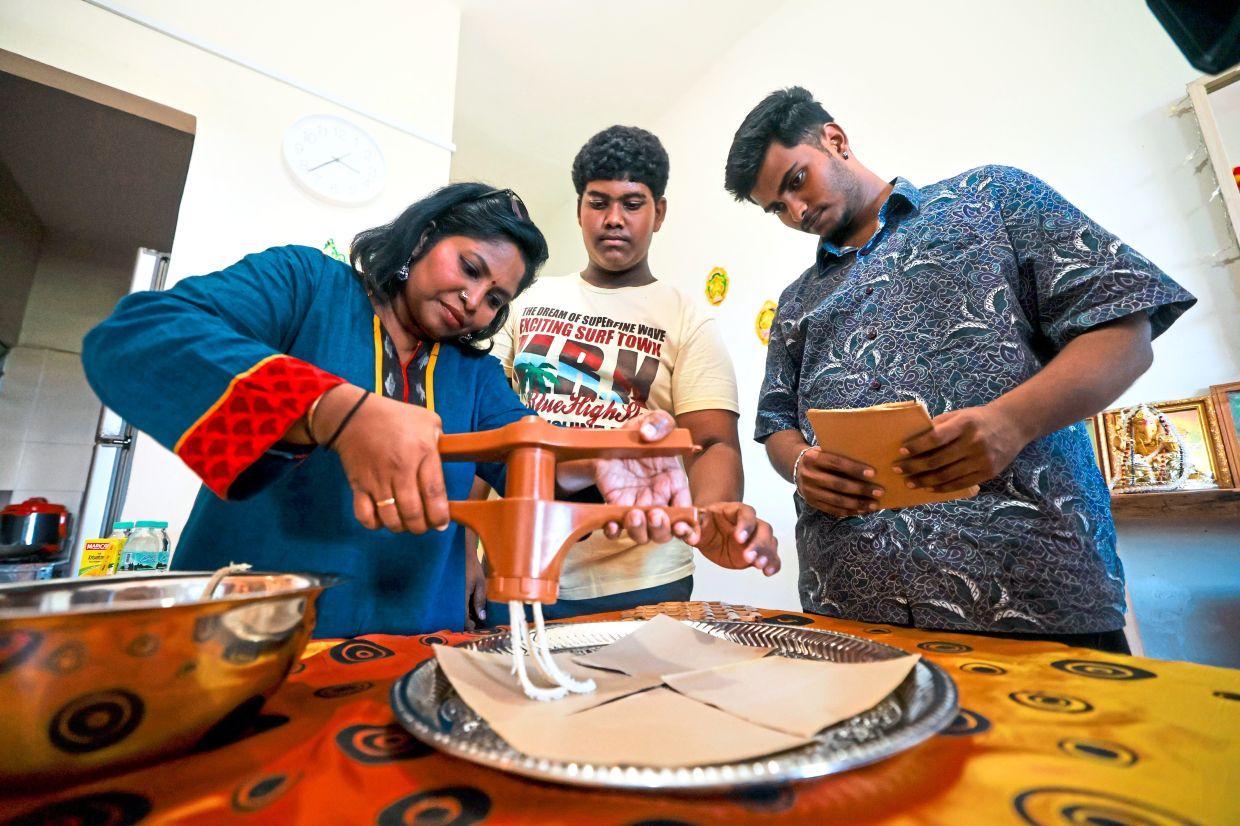
Thanaletchumi said non-Indian guests would usually visit on the first day of Deepavali, followed by relatives and Indian friends on subsequent days.
“Some even ask a week in advance about the menu because they want to come over.
“To me, that is the true joy of Deepavali, sharing food, love and happiness with people of different races,” she said.