



LOW-NOISE electric buses can pose a danger to pedestrians who may not hear them approaching.
To address this risk, Rapid Penang’s new electric (EV) buses are equipped with an acoustic vehicle alerting system that makes warning sounds, particularly at low speeds.
Transport Minister Anthony Loke said the buses had an advanced driver assistance system to alert drivers to potential road hazards.
“The new buses are environmentally friendly and quieter, which means there is a risk of people not hearing them.
“I hope the state government, city councils and others will take this into account in traffic planning and pedestrian routes, particularly at pedestrian crossings as the buses are quieter and the public needs to be more aware of them,” he said, after launching the first 15 electric Rapid Penang buses at its depot in Pengkalan Weld, Penang.
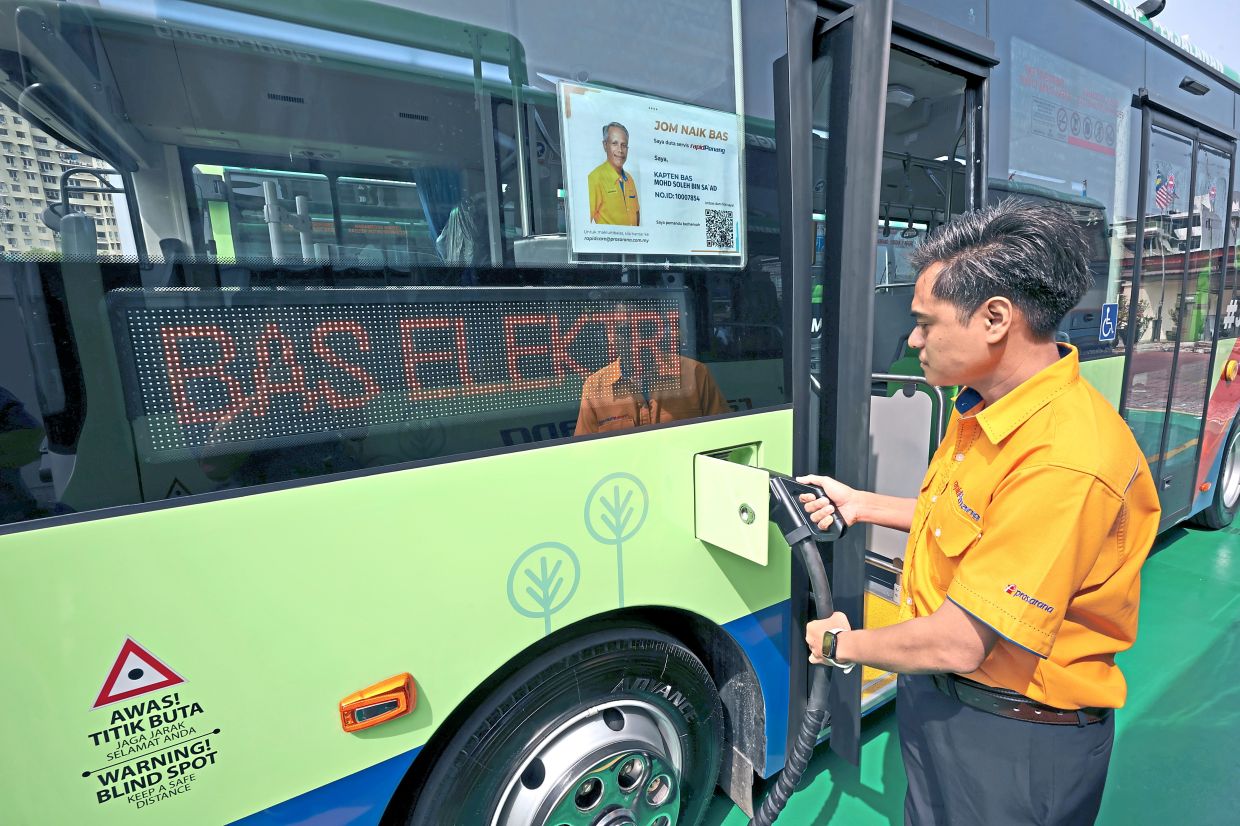
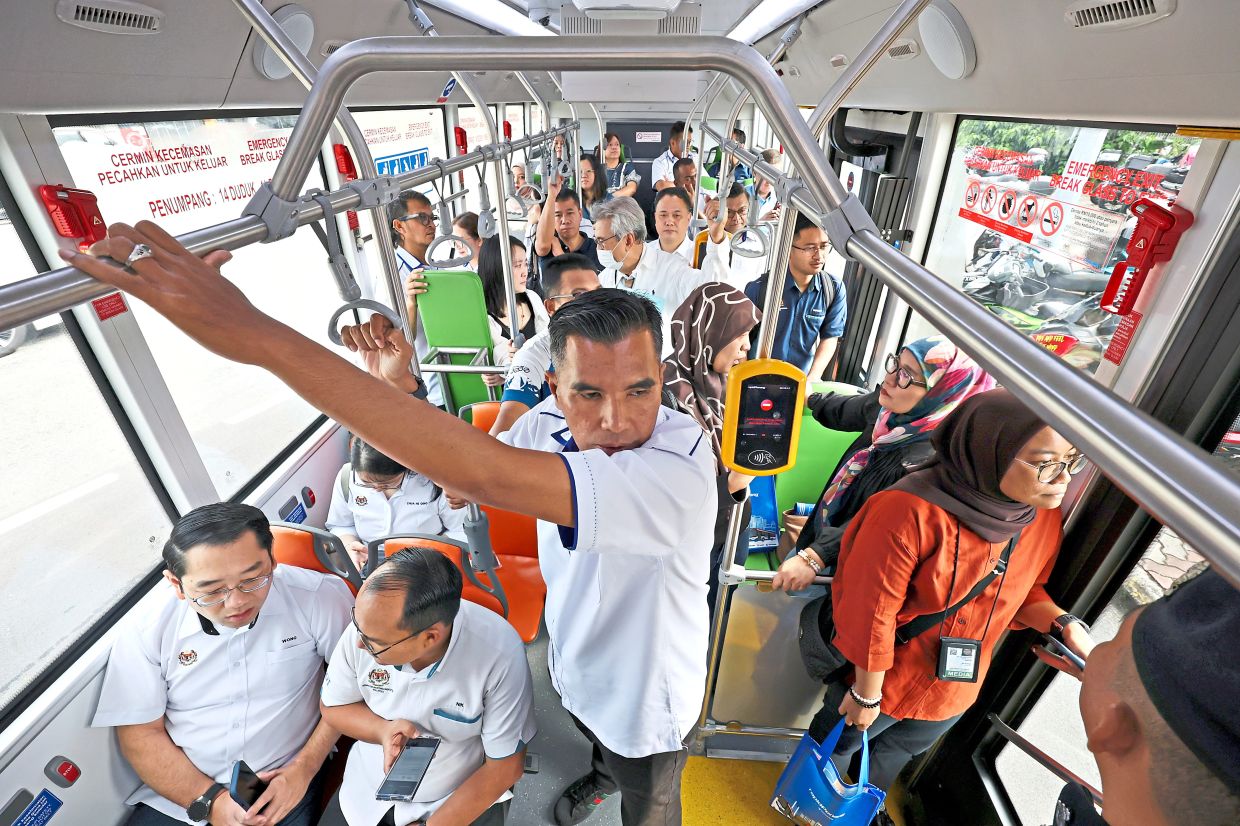
The 15 buses are now serving routes on Penang island and the mainland, with the fleet expected to grow to 75 by March next year, said Loke.
The aim is to replace all local buses with electric ones by 2031.
Of the 15 new buses, 14 are 8.25m long while the remaining one measures 12m.
Loke said the shorter buses could better navigate the island’s narrow roads and densely populated areas, improving accessibility and connectivity for commuters.
The 75 buses allocated to Rapid Penang are part of a RM200mil procurement of 250 electric buses, with the remaining 175 for Rapid KL.
As of Oct 13, Rapid Bus had received 52 buses, comprising 37 for Rapid KL and 15 for Rapid Penang.
Loke said charging facilities at depots, maintenance capabilities and workforce training were being strengthened to support the transition.
He said the gradual rollout would allow Rapid to monitor the buses’ performance, reliability and maintenance needs without disrupting passenger services.
The electric buses are part of Prasarana Malaysia Bhd’s plan to acquire 1,600 electric buses between 2026 and 2031 to replace some of the diesel buses in the Rapid Penang and Rapid KL networks.
The transition supports efforts to reduce carbon emissions in the transport sector under the National Energy Transition Roadmap and National Transport Policy 2019-2030.
