



FOR some women struggling to make ends meet, the monthly cost of sanitary pads is a big burden.
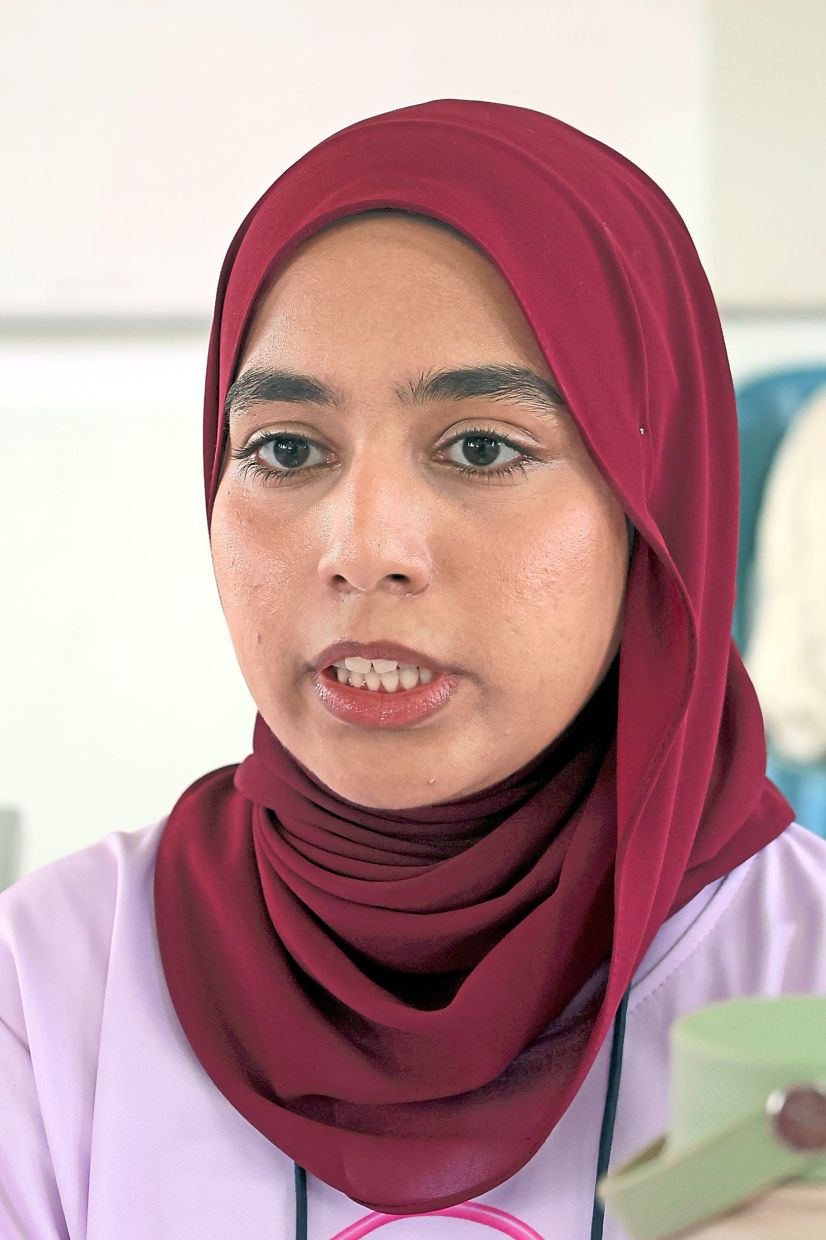
Kitaran Kita project lead Adriana Tasnim learnt this when visiting underprivileged communities in Chow Kit, Kuala Lumpur.
This prompted her to raise awareness about period poverty and the need for better access to menstrual hygiene products.
Kitaran Kita is a community initiative aimed at promoting menstrual health education and improving access to menstrual hygiene products among young girls in Malaysia.
“One woman told me she knew of women who were willing to get pregnant because they would not have to spend money on sanitary pads for nine months,” said Adriana.
“They were thinking about how to survive in the short term and could not think about the long-term cost of raising a child.”
“It also involves access to clean toilets, water, proper menstrual hygiene facilities and accurate information.”
She recalled visiting a primary school in Setapak, Kuala Lumpur, where some pupils from People’s Housing Programme (PPR) communities could not afford sanitary pads.
She subsequently set up a “pad bank” at the school toilet, supplying four boxes of sanitary pads for pupils to use when needed.
Adriana said period poverty could cause girls to miss school, stressing that sustainable programmes were needed instead of one-off distributions.
Corporate sponsorship could help ensure a continuous supply of menstrual products in schools, she said, urging parents, including fathers, to learn about menstrual health and support their daughters.
“Menstrual education is something everyone should know. It is not just a women’s issue.
“Sometimes men are willing to help, but they do not know how because women are not comfortable telling them what they need,” she said.
Adriana also cautioned young people against relying solely on social media for medical information, as the videos were not necessarily accurate.
Her concerns were among the issues addressed during the Kitaran Kita menstrual health awareness programme at SMK Convent Green Lane attended by 178 Form One female students.
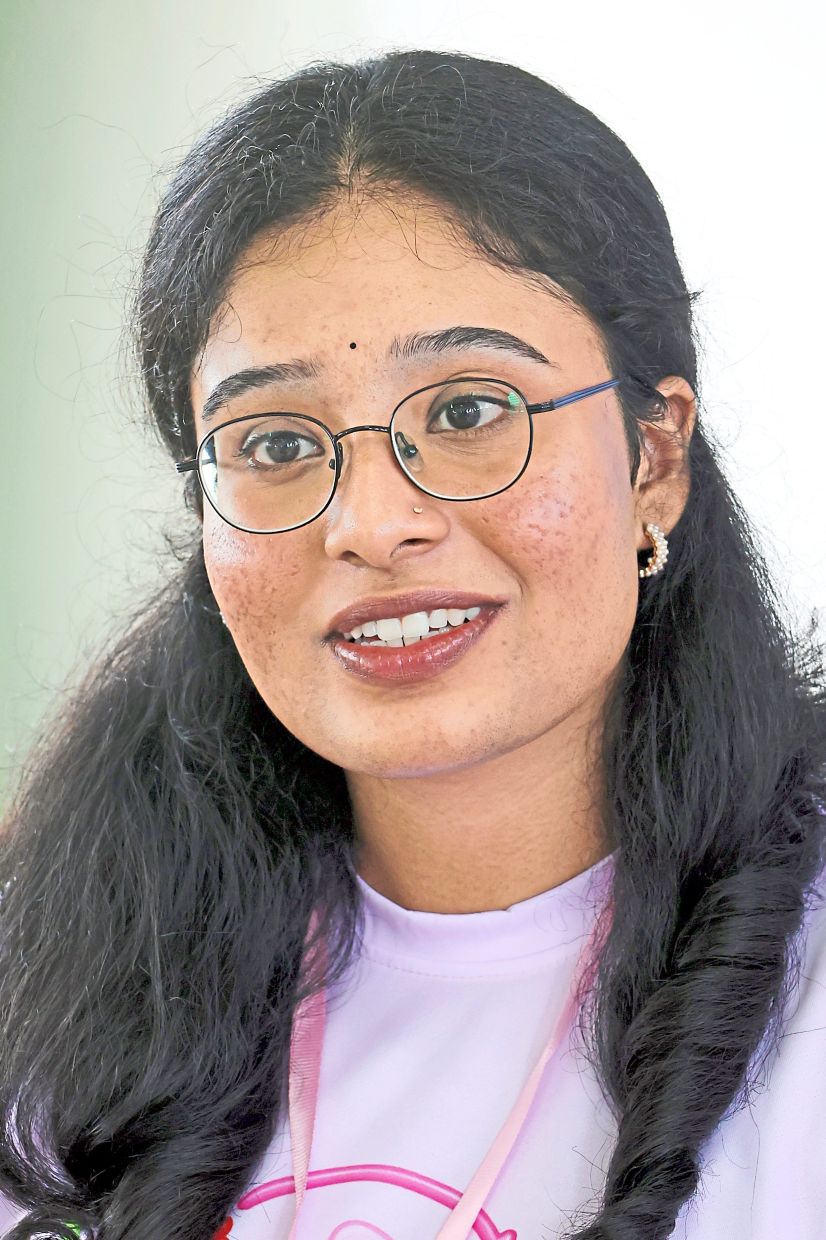
“These include the belief that menstruation is dirty, physical activity should be avoided and severe cramps are normal.”
Sharveeni said such myths discourage girls from discussing their period openly or seeking medical attention when they experienced unusual symptoms.
She said experiences varied, with some girls experiencing cramps, bloating, headache and fatigue, while others faced mood swings, anxiety or difficulty sleeping.
However, severe symptoms should not be dismissed as normal, she cautioned.
“Girls should seek medical advice if their menstrual cycles are consistently shorter than 21 days or longer than 35 days, or if bleeding lasts more than seven days,” she said.
“Other warning signs include needing to change sanitary pads every one to two hours because of heavy bleeding, or experiencing cramps so severe that they interfere with daily activities.”
Girls who do not start menstruating by the age of 16 should also consult a doctor.
Sharveeni said conditions such as fibroids and endometriosis could cause heavy or painful periods and should not be overlooked.
She also debunked the myth that girls should avoid exercise during menstruation.
“Exercise is not harmful during your period. It can actually help reduce cramps, bloating and improve your mood,” she said.
Walking, stretching, yoga, dancing and swimming could help relieve discomfort, she advised.
She encouraged students to eat balanced meals, stay hydrated, get sufficient sleep and track their menstrual cycles to help them prepare for their periods and recognise unusual changes.
The students were also introduced to different menstrual products, including disposable pads, period underwear, tampons and menstrual cups.
The programme featured an interactive myth versus fact session and a question-and-answer segment.
Participants also received free menstrual underwear sponsored by a corporate partner.

