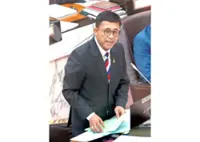
MB: Higher fuel and supply shortage affecting construction
CONSTRUCTION costs for Rumah Selangorku affordable housing projects have risen by between 25% and 40%, causing some delays, says Datuk Seri Amirudin Shari.
The Mentri Besar said the increase was due to the conflict in the Strait of Hormuz, supply shortages and higher fuel prices.
“It has raised costs, especially in early-stage works such as earthworks.
“That has had an impact,” he said at a press conference after attending the “Malam Aspirasi Perumahan 2026” dinner, held in conjunction with the Selangor Housing and Property Board’s (LPHS) 25th anniversary in Shah Alam.
Amirudin said the state was closely monitoring the situation and he believed that it could be addressed in the near future if tensions in the Middle East eased.
The state is aiming to deliver 200,000 Rumah Selangorku units by the end of 2028.
When asked if the target remained on track, Amirudin said about 174,000 units were either in the planning permission process or under construction.
“Based on the current trend, I am confident we can achieve it, at least in terms of units under construction.
“But for completion, we need to further tighten delivery, especially this year,” he said, adding that LPHS would review developers’ readiness from time to time.
In his speech, Amirudin said 52,750 units involving 167 projects had been completed and handed over to buyers as of August, while 34,287 units involving 68 projects were under construction.
He said abandoned housing projects, end financing and the redevelopment of ageing housing were among the key challenges that LPHS needed to address.
He acknowledged that Selangor has a long list of abandoned projects and rescue developers faced challenges inherited from previous developers’ failures.
“Many of those affected not only do not own a home, but are still burdened with loans they have to pay every month.
“If they defaulted, they could face financial problems that might lead to bankruptcy or being blacklisted by CTOS,” he said.
He added that resolving abandoned projects would require cooperation with Housing and Local Government Ministry, as well as coordination with local authorities and approving agencies.
On end financing, Amirudin said data from previous years showed that nearly 60% of the applicants for affordable or controlled-price homes had turned down their offers, as there was still no proper mechanism to address end-financing issues.
He said the “Smart Sewa” scheme, which returns 30% of tenants’ rental payments to the them with the intention of helping them own a home.
On ageing housing, he said redevelopment remained constrained in the absence of an Urban Renewal Act, as current laws required 100% consent from owners.
He added that some strata properties could not be properly maintained as owners were unable to pay their fees to the joint management body (JMB).