PENANG Harmony Centre (Harmonico) has printed and distributed 15,000 souvenir cards on the Street of Harmony in George Town since the launch of the tourism initiative in July 2025.
Tourists are required to get a card at any of the six houses of worship along the heritage street, and get them stamped with images of their facades.
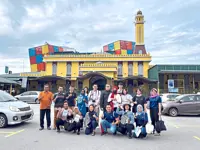
The six places of worship are the Church of the Assumption, St George’s Church, Goddess of Mercy Temple, Kapitan Keling Mosque, Sri Mahamariamman Temple and Acheen Street Malay Mosque.
Apart from keeping them as a collection and memorable souvenirs of George Town, the cards can be used as postcards.
Harmonico is a state agency created to oversee matters pertaining to religions other than Islam.
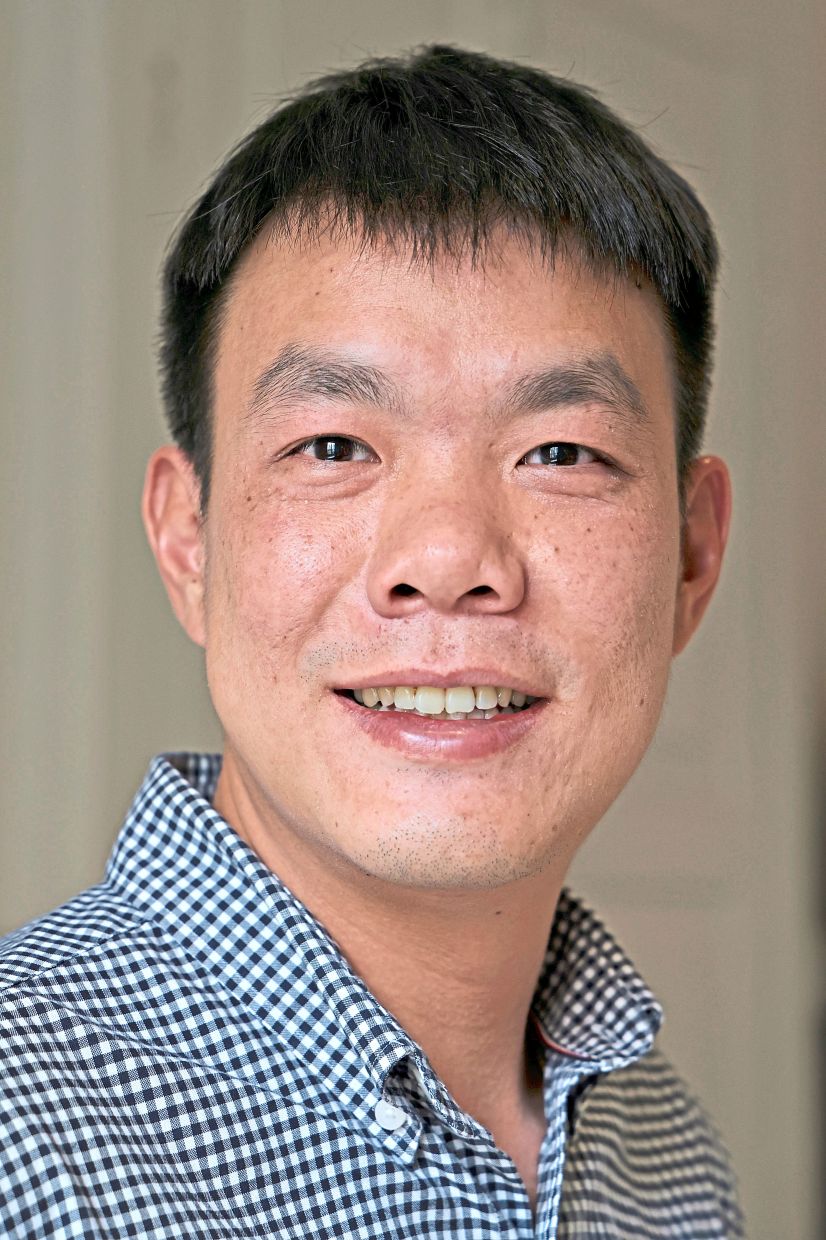
Its general manager Paul Au (pic) said following the success of the stamped card initiative, plans were in the works to expand the project to cover other Street of Harmony located in Seberang Jaya, Bukit Mertajam and Bayan Baru.
Available at the six historical houses of worship under this banner in George Town, the free cards have been very popular and need to be refilled every three weeks, he said.
“One initiative we hope to introduce soon is a Street of Harmony Passport, where visitors can collect stamps from participating houses of worship across all Street of Harmony locations in Penang.
“This is part of our broader vision to enhance the Street of Harmony experience by creating more meaningful and interactive ways for people to engage with our diverse cultural and religious heritage,” he told StarMetro.
“I believe we have grown from building our presence in the community to becoming a trusted platform that brings together people of different faiths through dialogue, education and collaboration.”
Au said in a diverse society like Malaysia, fostering understanding between communities was essential to build a stronger and more united nation.
“Our unique role allows us to bridge community engagement with policy and institutional development, ensuring that harmony is strengthened not only at the grassroots level but also through long-term governance and collaboration.”