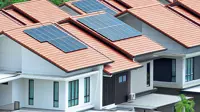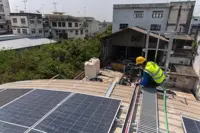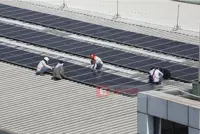
SELANGOR is expanding the installation of solar panels across public buildings in a bid to advance its low-carbon agenda, boost energy efficiency and widen renewable power usage statewide.
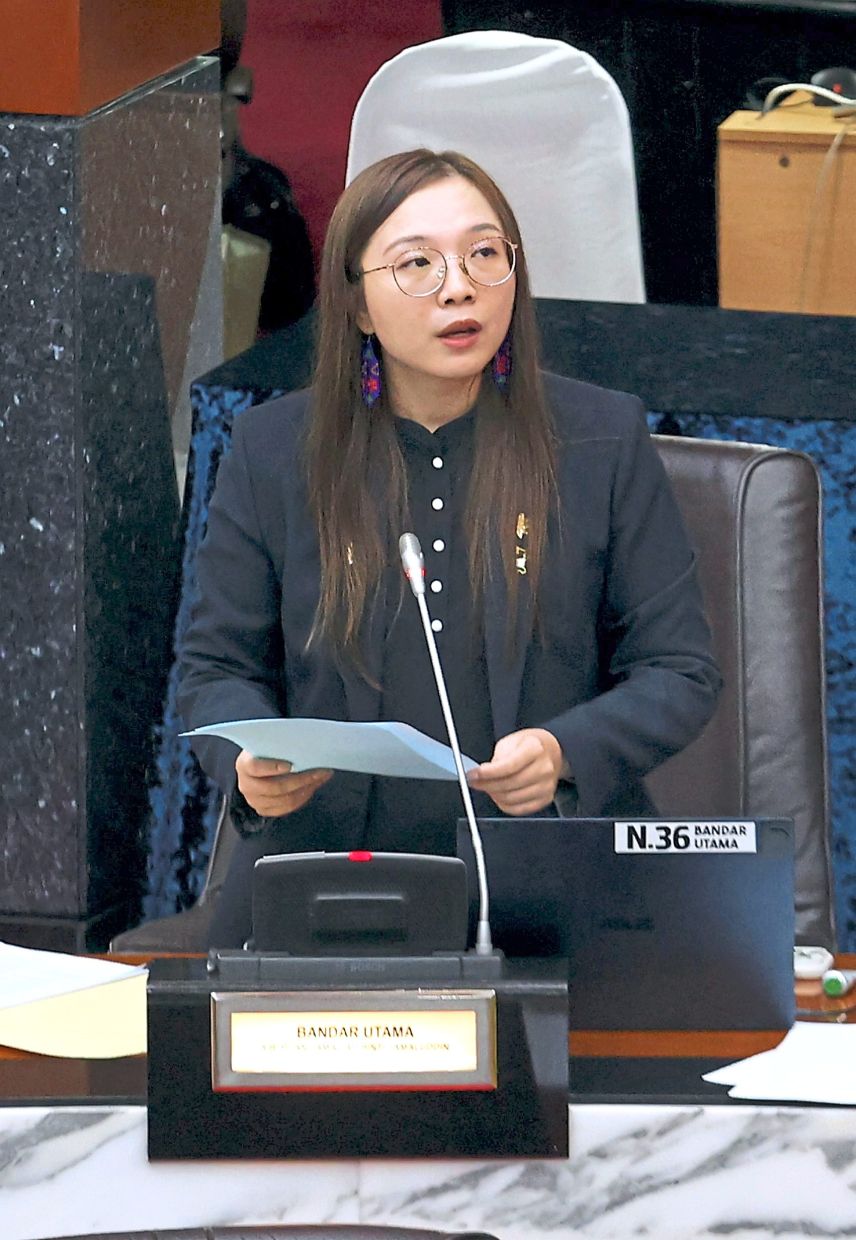
State public health and environment committee chairman Jamaliah Jamaluddin said the state government had coordinated installations at the Bangunan Sultan Salahuddin Abdul Aziz Shah in Shah Alam as well as at district and land office buildings throughout the state.
“Local authorities are also installing solar panel systems on administrative buildings and public facilities based on their technical suitability and operational needs,” she said.
She noted that information from local councils as well as district and land offices showed the installations covered a range of public amenities, including government offices, community halls, libraries, sports complexes, recycling centres, public markets and bus terminals.
“Of the 12 local councils in Selangor, two have installed solar panel systems on the roofs of their administrative buildings, while the other 10 are conducting studies and suitability assessments,” Jamaliah said during the Selangor State Assembly sitting at Bangunan Dewan Negeri Selangor in Shah Alam yesterday.
She was replying to Rajiv Rishyakaran (PH-Bukit Gasing), who asked about the use of solar energy on government buildings.
Subang Jaya City Council and Sepang Municipal Council have already fitted solar panels at their headquarters.
Responding to a supplementary question from Rajiv on why there appeared to be reluctance to install solar panels on government rooftops, Jamaliah said there was no hesitation to do so on state-owned premises, including those under local authority supervision.
“Selangor government supports rooftop solar installations, as shown by existing projects and new proposals currently being examined by local councils.
“For premises not yet covered, implementation depends on building suitability, electricity usage requirements and financing,” she elaborated.
She said feedback from local councils indicated roof structural integrity was a key factor.
“Some older buildings have deteriorated roofs that require repair or reinforcement to support solar panels.
“Roofing materials such as asbestos also require scrutiny before installation work can begin,” she added.
Jamaliah said roof area, sunlight exposure and electricity consumption profiles also determined system capacity and project viability.
She said project costs often went beyond the panels themselves, encompassing roof repairs, structural reinforcement and electrical wiring upgrades, depending on the condition of the premises.
“Financing assessments need to take into account the full scope of required works, beyond the solar panel system installation itself,” she said.
Installations, she added, must be guided by individual assessments of each premises to ensure that the selected system was safe, suited to energy demand and financially viable before proposals could proceed.