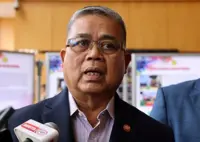
Seberang Jaya’s religious institutions in same vicinity foster interaction among people of different faiths, similar concept in Simpang Ampat soon
SEEING different faiths sharing the same neighbourhood is nothing new in Penang.
But finding nine places of worship within 1km is something else altogether.
On Malaysia Day in 2022, the stretch was officially designated as Harmony Street.
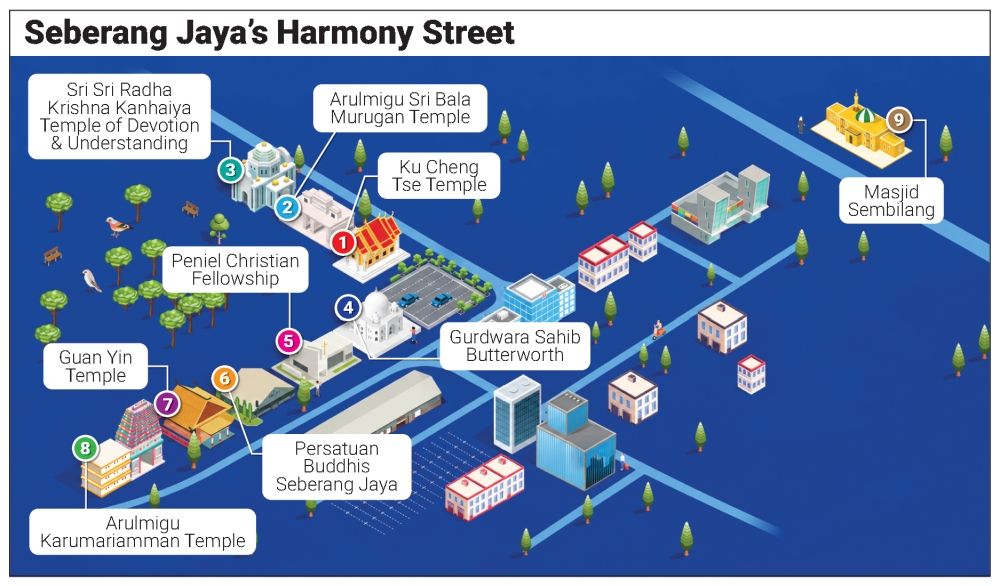
In Seberang Jaya, eight are clustered around the intersection of Jalan Todak and Lorong Jelawat 4, while Masjid Sembilang stands just across the Butterworth-Kulim Expressway (BKE).
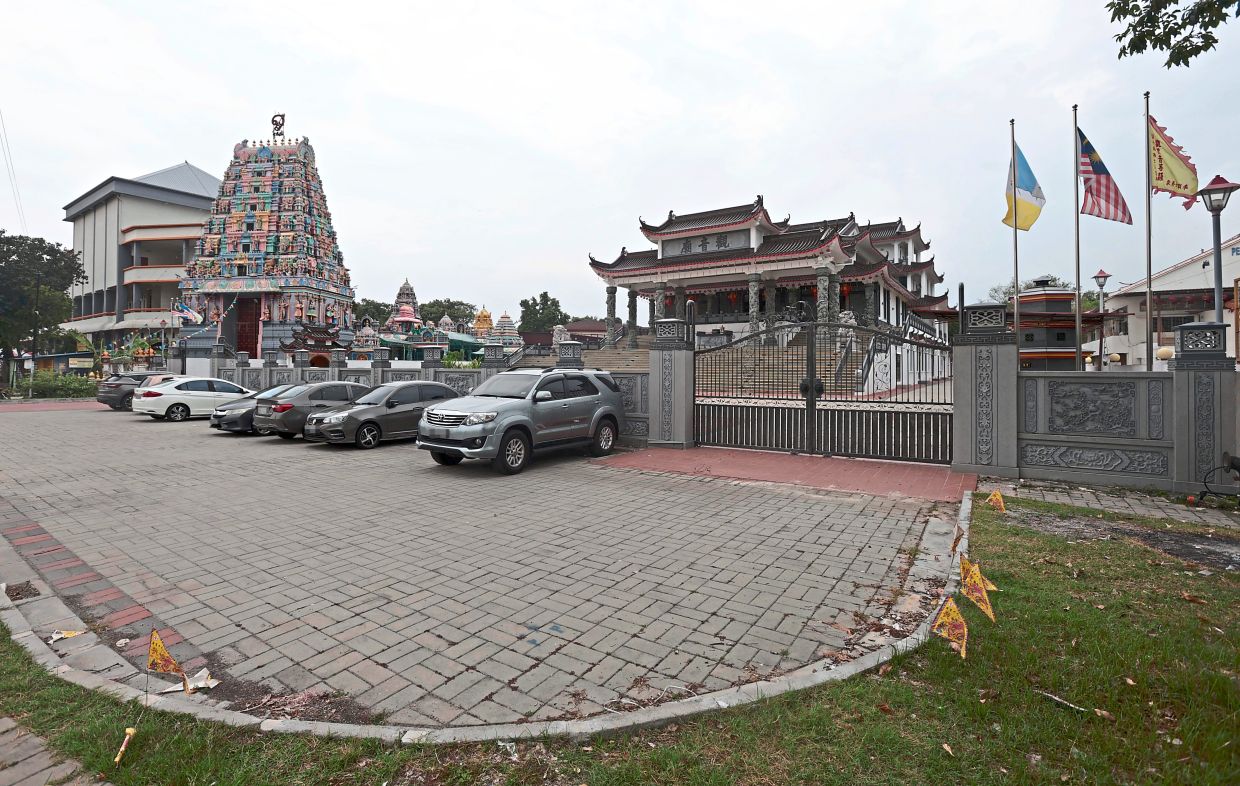
All nine were either established or relocated to the area around the turn of this century.
Besides Masjid Sembilang, the eight are Ku Cheng Tse Temple, Arulmigu Sri Bala Murugan Temple, Sri Sri Radha Krishna Kanhaiya Temple of Devotion & Understanding (Todu), Gurdwara Sahib Butterworth, Peniel Christian Fellowship, Persatuan Buddhis Seberang Jaya, Guan Yin Temple Seberang Jaya and Arulmigu Karumariamman Temple.
In conjunction with Malaysia Day today, StarMetro will take an in-depth look at Harmony Street.
Building bridges
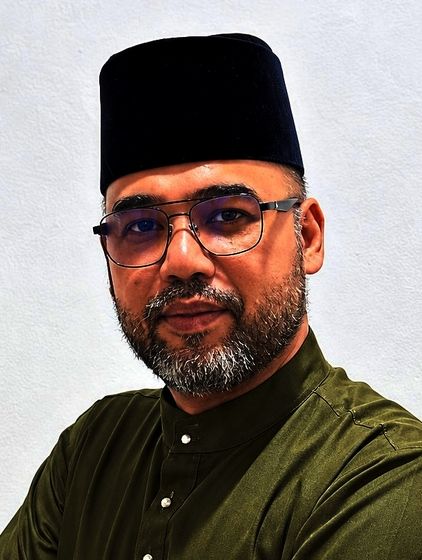
Masjid Sembilang chairman Muhammad Famizi Hussain said Harmony Street provided an avenue for people of different faiths to interact and better understand one another.
“It creates space for dialogue, where every house of worship can showcase the positive values of its religion.
“Through mutual respect, we can dispel negative perceptions and build bridges of understanding,” he said.
Masjid Sembilang was built in Taman Sembilang in 2006.
The local Muslim congregation had previously gathered at a nearby surau.
Its design combines Moorish elements and Islamic geometric details.
Muhammad Famizi said the mosque has seen more visitors from different races and backgrounds, including tourists, because of its location.
Their visits, he said, went beyond appreciating the mosque’s architecture to learning about the culture and etiquette of the local Muslim community.
“We welcome visitors to see how our community activities are carried out and to learn about the functions of different spaces in the mosque.
“This allows them to understand Islam and the local Muslim community in a more open setting,” he said.
Muhammad Famizi said the younger generation had an important role in preserving interfaith harmony.
“We hope young people can become ambassadors of harmony who are open-minded, tolerant and proactive in building relationships with their neighbours.
“In this digital era, they should use social media to spread values of unity instead of messages of hatred.
“This harmony is a legacy they must preserve for the well-being of our community in the future.”
Common values
Ku Cheng Tse Temple was established in 1963 before moving to its present building in 2003.
It combines Thai and Chinese Buddhist architectural elements and is dedicated to Lord Buddha, Thailand high monk Venerable Luang Phor Thout and the 18 Arahants.
Temple chairman David Kong said religion is about spreading good ethics and principles.
“Religion can help shape morals and attitudes and guide believers through difficulties in life,” he said.
Todu, which was opened in 2015 by the International Society for Krishna Consciousness (Iskcon) Malaysia, is meant to fulfil its founder AC Bhaktivedanta Swami Prabhupada’s aspiration to establish a Hare Krishna temple in Malaysia.
It features three large ornate domes, two glass skylight pyramidal domes and 16 pavilions, while the mezzanine floor has dioramas depicting key events in Prabhupada’s life.
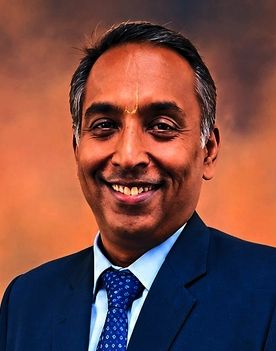
Its co-chairman Assoc Prof S. Kathiresan said Todu’s inclusion in Harmony Street represented religious diversity, mutual respect and peaceful coexistence.
“We are honoured to be part of a community where different faith traditions stand side by side, contributing to the richness and harmony of Malaysian society,” he said.
The temple offers free vegetarian meals, Bhagavad Gita classes, spiritual talks, kirtan (religious songs), vegetarian cooking programmes and religious festivals.
“These programmes are open to everyone and people do not have to be followers of Iskcon to participate.
“We encourage people to come with an open mind, ask questions and learn.”
He said meaningful interaction between people of different faiths could foster greater understanding.
“Understanding grows when we take the time to visit one another’s places of worship and have meaningful conversations.
“Although our traditions may be different, values such as love, compassion, respect, service, humility and peaceful coexistence are universal.”
Side by side
The Arulmigu Sri Bala Murugan Temple, established in 1968 and relocated to its present site in 2009, is dedicated to Lord Muruga.
It holds annual prayers and observances including Thaipusam, Karthigai, Kanda Shasthi and Thiru Karthigai apart from daily prayers.
The Sikh community is represented by Gurdwara Sahib Butterworth.
Its roots can be traced to Sikhs who settled along Jalan Pantai in the early 20th century.
A gurdwara was established in Jalan Chain Ferry in 1934 before the community moved to its present building in Jalan Todak in 2019.
Peniel Christian Fellowship, a Pentecostal Christian organisation with more than 100 members, moved from Jalan Chain Ferry to Jalan Todak in the early 2000s.
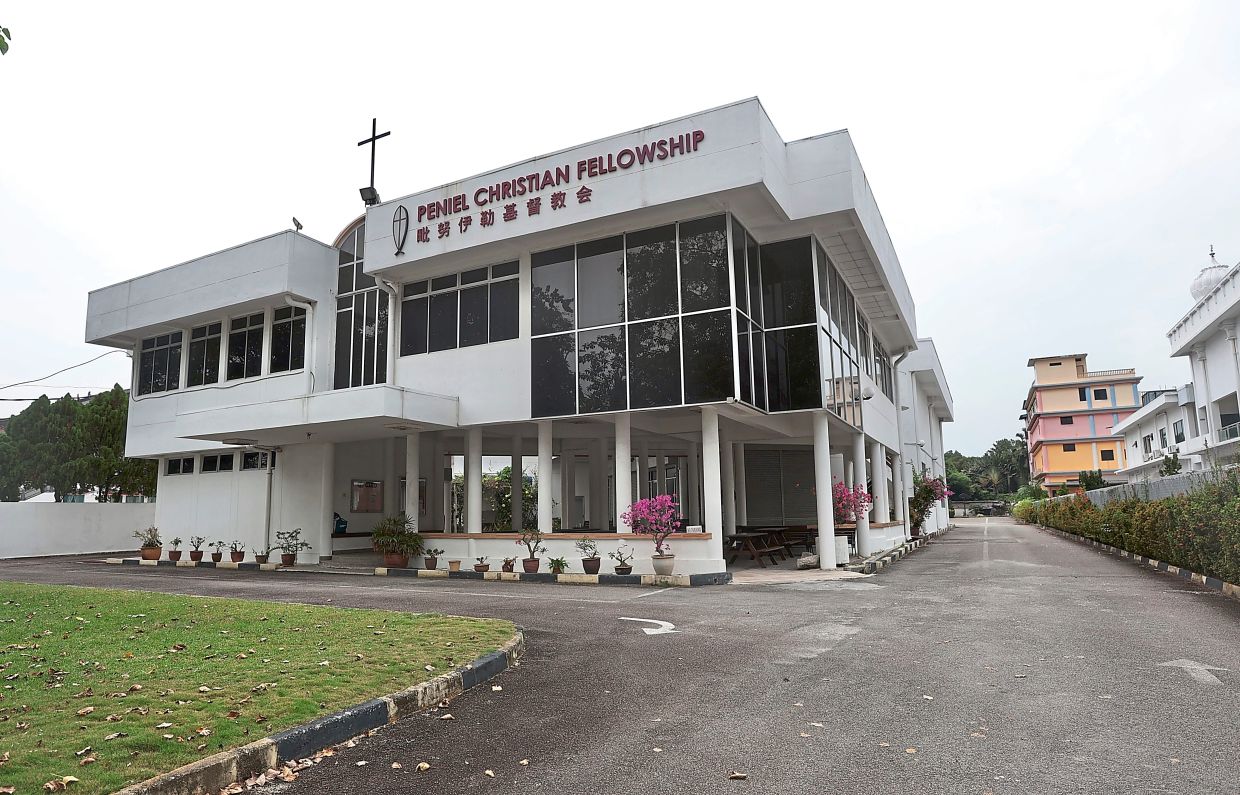
Persatuan Buddhis Seberang Jaya, established in 1985, moved into its present building in 2000.
It practises Mahayana Buddhism, with many activities led by lay Buddhists and volunteers, and conducts community work and Chinese medicine drives.
Guan Yin Temple Seberang Jaya was established in 2003 and expanded from 2017.
The Taoist temple is dedicated to the Goddess of Mercy.
Arulmigu Karumariamman Temple traces its origins to a wooden shed in a rubber estate more than a century ago.
The present temple was consecrated in 2003 and features a 72-foot rajagopuram (monumental tower), one of the tallest in Malaysia.
Focus on harmony
Penang Harmony Corporation (Harmonico) is the state agency tasked with promoting religious harmony and engagement among different faith communities.
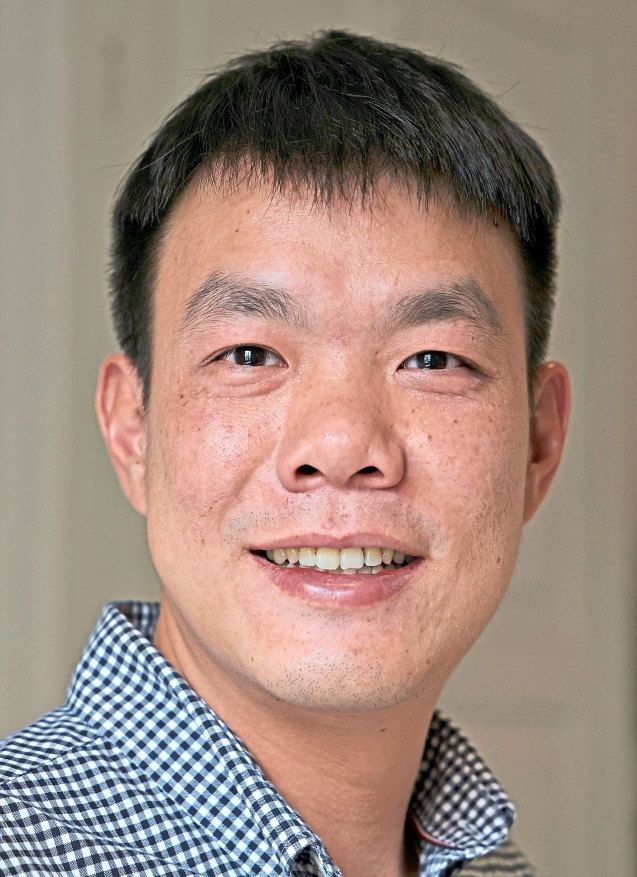
Its general manager Paul Au said the concept of Harmony Street had moved beyond tourism through Jelajah Harmoni, which brings secondary school students aged 15 to 18 on guided visits to different houses of worship.
In Seberang Jaya, the programme features two routes covering all nine places of worship, with students spending about half a day learning about different religions, cultures and the communities behind them, Au said.
“We have facilitators working with the groups, and they can choose Route A or Route B because they cannot visit all the sites in one day.
“The programme has been running for about three years and requests from schools are still coming in.
“Students can also receive co-curricular-related points for their participation.”
Au said Harmonico worked closely with the houses of worship when developing each route, with the religious communities giving suggestions.
“In fact, they are the ones who give us information on how to develop the street and what they aspire to achieve.”
He said the initiative could also help break the apprehension some people have about entering places of worship belonging to other faiths.
“Through promotional activities and campaigns, people will be more open to visiting.”
Au said Harmonico also connected religious communities that had previously operated largely on their own, allowing them to share information and resources.
“This is where we can bring them together.
“We have groups where they can share resources and information.
“The universal value is the same. All religions teach good things, and we want to provide a platform for people to visit different houses of worship.”
Proposed harmony street
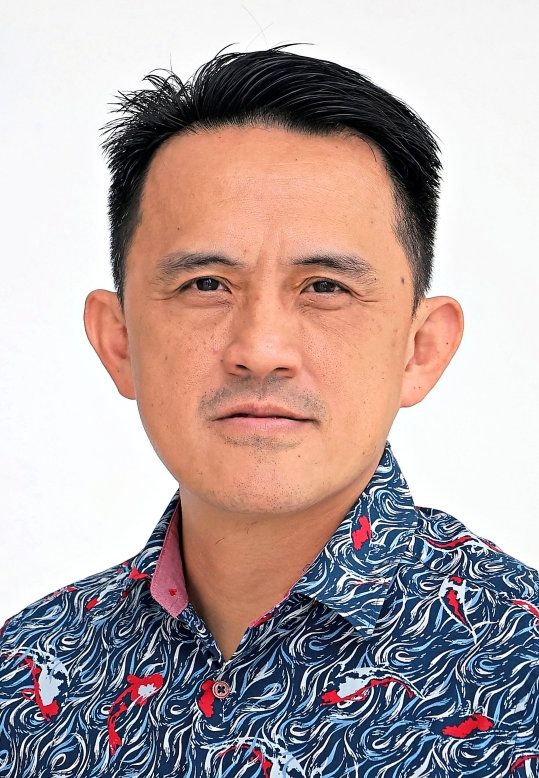
Penang national unity committee chairman Goh Choon Aik has proposed a Harmony Street along Lorong Merak 63 in Simpang Ampat, saying the area already reflected the spirit of Malaysia.
It falls within the Bukit Tambun state constituency, where Goh is assemblyman.
Lorong Merak 63 is home to Chinese temples, surau, community halls, basketball court and hawker centre.
“This is not simply a collection of facilities, but a living example of how Malaysians of different backgrounds can share the same neighbourhood, use the same community spaces and build relationships with one another.
“The spirit of harmony is visible in everyday activities.
“At the hawker centre, people of different races sit at the same table.
“At the basketball court, young people play together regardless of race or religion.
“The community halls provide spaces for residents to gather for activities and celebrations.
“Having different places of worship in the same neighbourhood also shows that diversity is part of everyday Malaysian life.
“This is the spirit behind the proposed Harmony Street along Lorong Merak 63, an initiative aimed at creating a shared community space where Malaysians of different races, religions and backgrounds can meet, interact and celebrate together.”
Goh said the proposal could further strengthen the Malaysia Madani concept by encouraging respect for differences and recognising diversity as a source of strength.
“This is the kind of Malaysia Madani that we want to strengthen – a Malaysia where differences are respected and diversity becomes a source of strength.”
He said unity did not begin in government offices or only during national celebrations.
“It begins at the grassroots, in our neighbourhoods, streets, places of worship, community halls and everyday interactions,” he added.