WELFARE programmes should help recipients become self-reliant instead of remaining dependent on assistance.
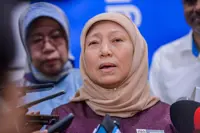
Bandar Tun Razak MP Datuk Seri Dr Wan Azizah Wan Ismail said policies and incentives needed to reflect realities on the ground to ensure assistance reached the intended groups.
She said there should also be efforts to ensure an “exit strategy” for recipients.
This could involve cooperation with other agencies, strategic partners and the corporate sector to help recipients become self-reliant, she said during the Welfare Department’s (JKM) 80th anniversary celebration in Putrajaya.
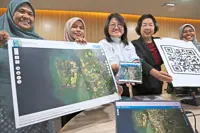
Also present were Women, Family and Community Development Minister Datuk Seri Nancy Shukri, Deputy Minister Lim Hui Ying, ministry secretary-general Datuk Dr Maziah Che Yusoff and JKM director-general Datuk Che Murad Sayang Ramjan.
Dr Wan Azizah said Malaysia needed to prepare for the challenges of an ageing population as life expectancy increased and birth rates declined.
she said changing family patterns, including fewer people marrying or having children, would also have implications for the country’s future welfare and care needs.
On child protection, Dr Wan Azizah said threats to children were no longer confined to the physical world.
“The challenge of protecting children now goes beyond the physical world, into the metaverse, games and other areas,” she pointed out.
She also referred to mental health concerns faced by children, saying greater monitoring and preparedness were needed.
JKM, she said, had an important role in strengthening standard operating procedures and providing comprehensive training for personnel handling such cases.
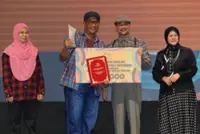
In paying tribute to JKM personnel for the department’s eight decades of service, Dr Wan Azizah described it as an important part of Malaysia’s social protection system.
She said JKM officers often had to make difficult decisions involving children, dealt with people experiencing trauma and assisted families facing hardship, despite limitations on the help available.
In her speech, Nancy said JKM had evolved over the past 80 years in response to changes in population demographics, poverty and social challenges.
Its role had expanded from poverty assistance and disaster management to protecting children, persons with disabilities, senior citizens and other vulnerable groups, she added.
Che Murad agreed that welfare services should go beyond providing financial assistance to the recipients.
“The ultimate goal of social services is not to maintain dependence on assistance.
“We want to help individuals and families regain their capabilities, strengthen their resilience and enable them to live more independently and with dignity,” he said.