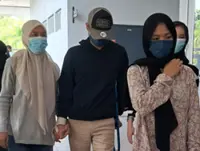
AThletes from Sekolah Henry Gurney in Telok Mas, Melaka, made an immediate impact on their Malaysia Games (Sukma) debut in 2018, winning one gold and two bronze medals for the state.
Eight years on, eight athletes from the school − seven boys and one girl − once again carried Melaka’s hopes, this time at Sukma 2026 which just concluded in Selangor.
Their participation marks a positive change for an institution tasked with rehabilitating juvenile offenders convicted by the courts.
For decades, being a “Henry Gurney” resident carried a social stigma, creating barriers for former students seeking to rebuild their lives and reintegrate into society.
Today that perception is changing.
Year after year, the school has shown that with the right opportunities, as well as discipline and support, young offenders can rebuild their lives and move forward with confidence.
Mission to find athletes
In 2017, the Malaysian Prisons Department teamed up with Youth and Sports Ministry and Melaka State Sports Council to launch Project Henry.
It aimed to identify and nurture sporting talent among the students while giving them a second chance to build meaningful lives after returning to society.
Following the school’s breakthrough at Sukma 2018, the ministry expanded the programme to include boxing, Muay Thai and weightlifting.
This move opened pathways for promising athletes to progress to the national squad.
Rebranded as Mission Podium Project in 2023, the initiative continues to use sports as a tool for rehabilitation, instilling discipline and helping juveniles build a positive future.
Since 2018, Henry Gurney athletes have become reliable medal contributors for Melaka.
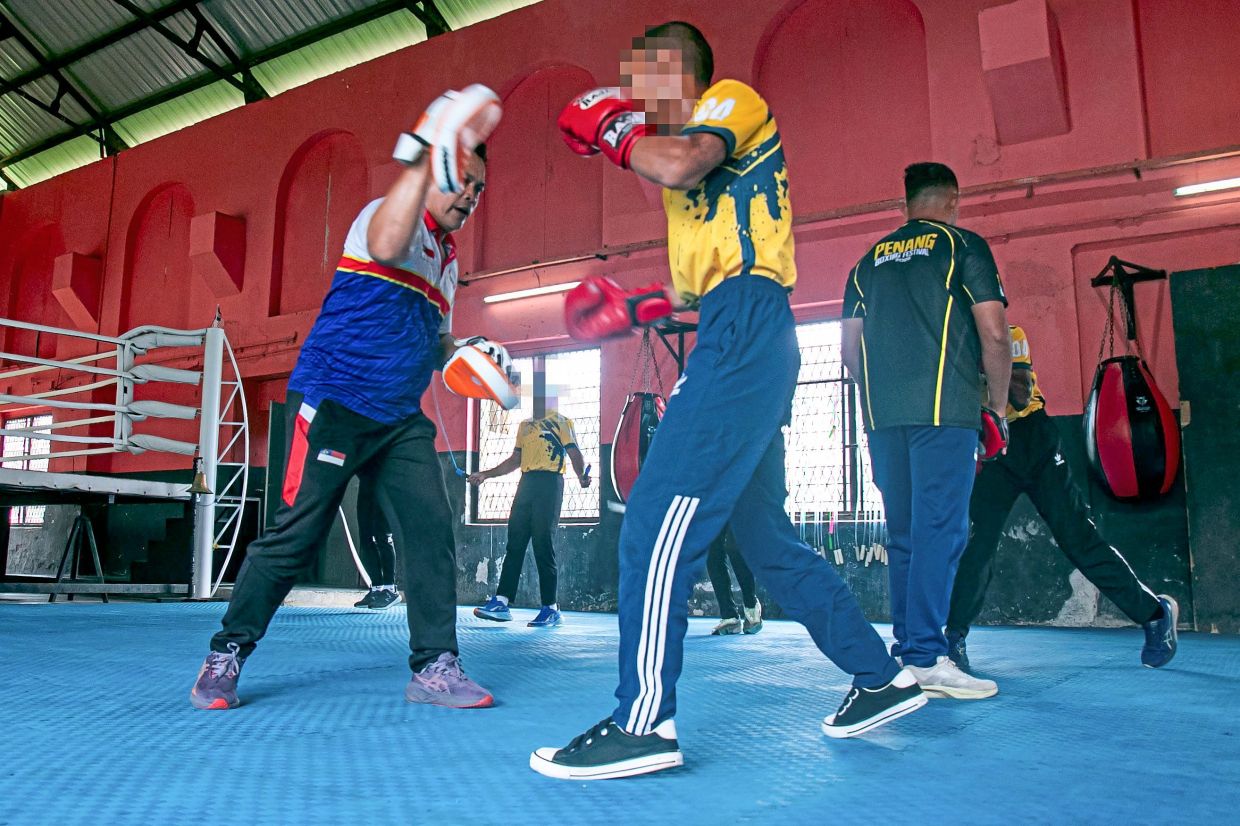
They won four Muay Thai bronze medals at Sukma 2022, followed by one silver and two bronze medals in boxing in 2024 at the biennial games.
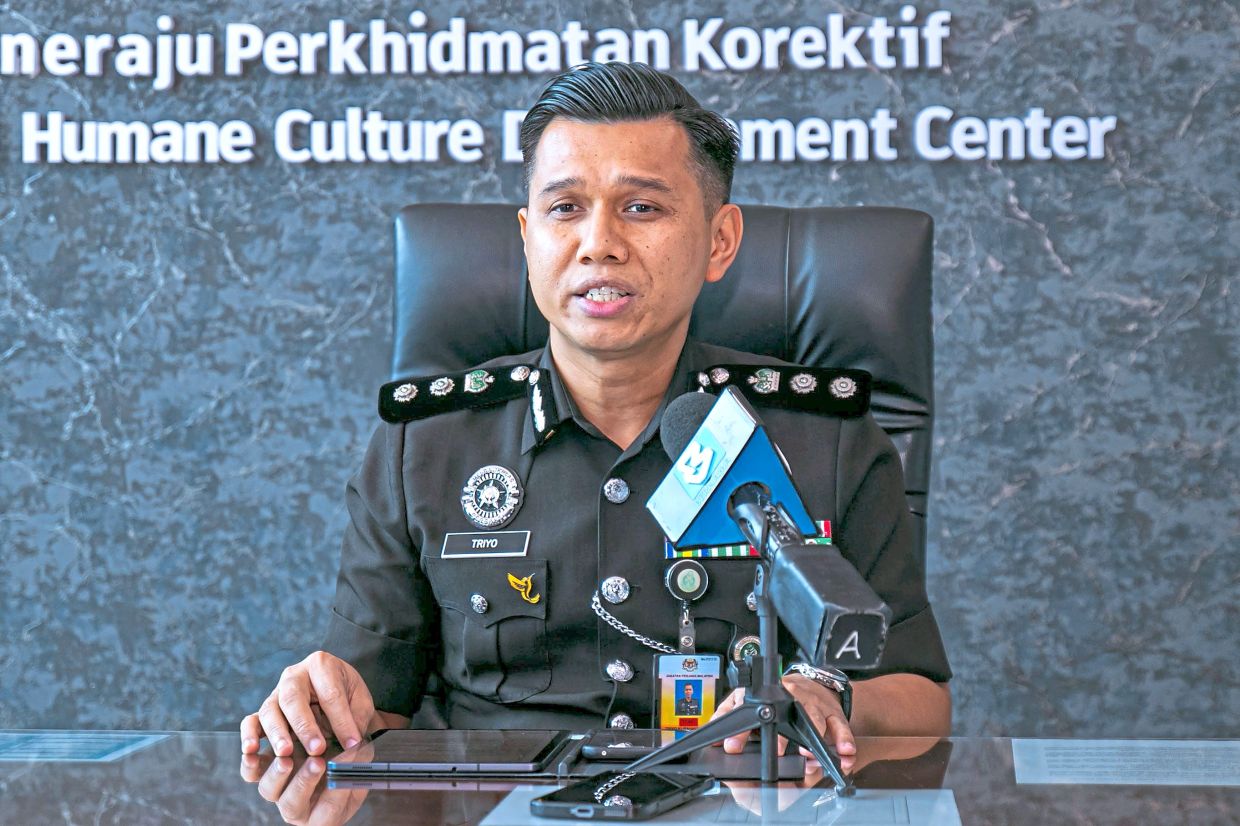
Sekolah Henry Gurney director Triyo Kurniawan Kusmadi said the true measure of the programme’s success was in the lives it transformed.
“Our trainees must prove that they can succeed,” he said.
“They must show society, their families and themselves that they are capable of change.
“Upon leaving here, they must be able to earn a living, become financially independent and contribute positively to society.”
He said even the most decorated athlete could not succeed in life without discipline, which was crucial to helping trainees sustain their progress after leaving the institution.
The country’s first Henry Gurney school, in Melaka, began operating in 1949 as High Moral School – a rehabilitation centre for young offenders.
Managed by the Prisons Department in collaboration with Education Ministry, it was renamed in May 1950 after then British High Commissioner to Malaya, Sir Henry Gurney.
Malaysia currently has four Henry Gurney schools – two others in Sabah and one in Sarawak.
The Melaka institution is one of three that accommodate female trainees.
Building confidence
For 18-year-old weightlifter Suhaila (a pseudonym), sports has been a turning point, giving her a sense of achievement and hope for the future.
Through structured training, daily discipline and encouragement from her coaches, she gradually rebuilt her confidence.
“I used to give up very easily,” she told Bernama.
“But sports taught me to get back up every time I fell.
“Eventually, I began believing that I have a future worth building.”
Muay Thai coach Wan Mohd Alwi Wan Mohd Nor, who has trained the school’s athletes since 2018, said the biggest transformation he has witnessed was not in their fighting skills, but their attitude.
“Training isn’t just about teaching them how to compete.
“We teach them to respect their coaches and teammates, and to be disciplined.
“Over time, we see remarkable changes.
“They become more confident, communicate better and begin believing they can succeed like any other athlete.”
Wan Mohd Alwi said the trainees develop a new identity through sports, while success in competition has given them confidence in their abilities.
“I hope they will apply the values they learned through sports, to build better lives.
“I also hope society will see them as individuals striving to change, rather than judging them for their past,” he added.
Sports psychologist Assoc Prof Dr Garry Kuan said sports was an effective tool for resocialisation and personal development, particularly among young people undergoing rehabilitation.
He said many struggled with emotional instability, damaged self-identity and limited social support, making sports a valuable space for rebuilding confidence.
“Sports functions as practical behavioural therapy,” the Universiti Sains Malaysia (USM) lecturer said.
“When they begin to see themselves as athletes and team members, they gradually shed the negative labels that once defined their lives.
“Cognitively, they learn to plan, think strategically and solve problems.
“Emotionally, they become calmer, develop better impulse control and build resilience in dealing with failure.
“Socially, they acquire communication, leadership and teamwork skills, making it easier for them to reintegrate into society,” Kuan elaborated.
More than sporting arena
Kuan said the discipline gained through training could also reshape how young people think and make decisions.
“By setting goals, exercising self-control and learning that effort brings reward, they gradually develop a more future-focused mindset.
“In my view, sports is not merely about producing athletes,” he said.
“It is a powerful tool for transforming lives.
“For juvenile offenders, it can be a turning point, helping them break negative cycles and build a more meaningful future.
“We should not view sports as merely an extracurricular activity.
“It is a strategic psychosocial intervention that supports physical, psychological and social development,” he added.