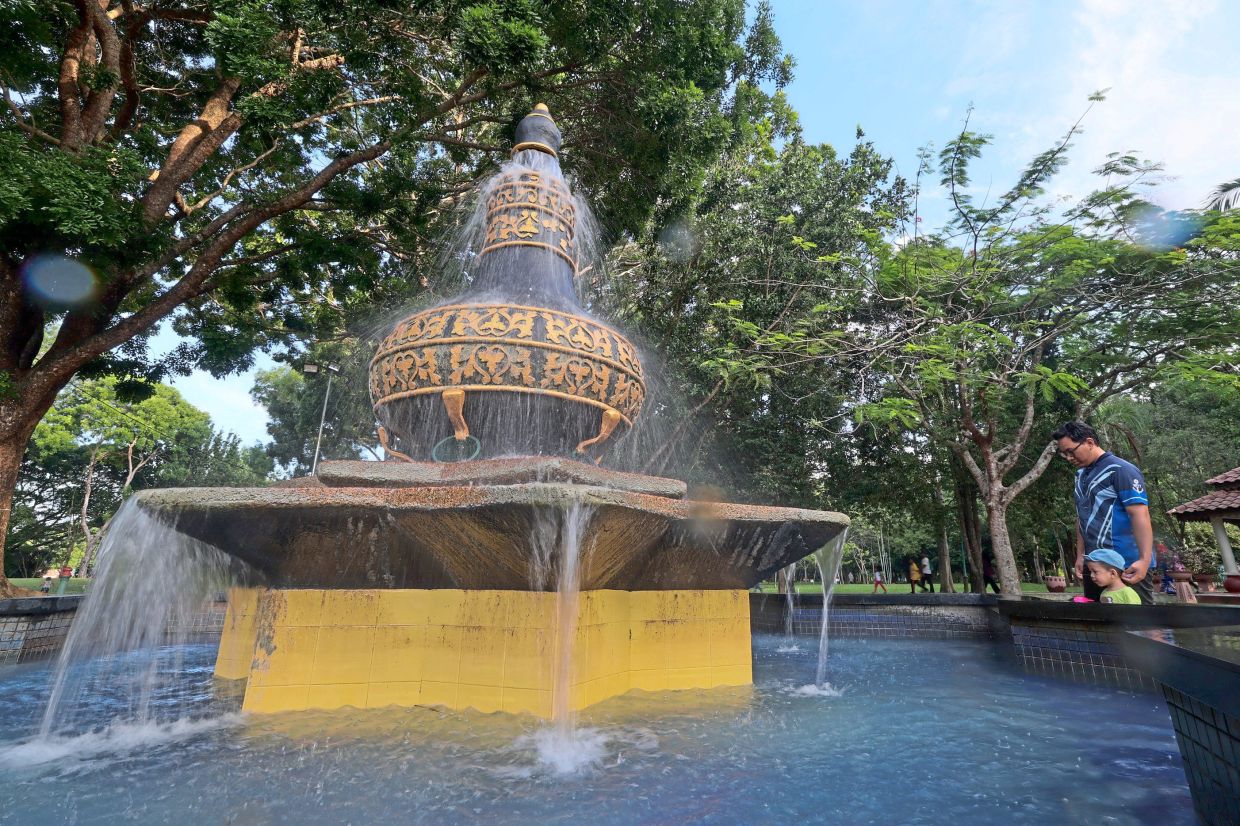
EVERY morning and evening, public parks across Kota Baru, Kelantan, come alive with people walking, jogging, cycling or simply spending quality time with their families amid peaceful surroundings.
A survey at Taman Perban-daran Tengku Anis, Laman Sejahtera Taman Hijau and Taman Rekreasi Al-Furhan found these green spaces popular with people of all ages.
Beyond serving as recreational areas, an expert describes green lungs as “psychological recovery spaces” that help reduce stress, improve emotional well-being and strengthen social connections, making them an important component of healthier and more people-friendly cities.
Universiti Kebangsaan Malaysia (UKM) senior lecturer and clinical psychologist Dr Hilwa Abdullah @ Mohd Nor told Bernama that exposure to nature had a positive impact on emotional and mental well-being.
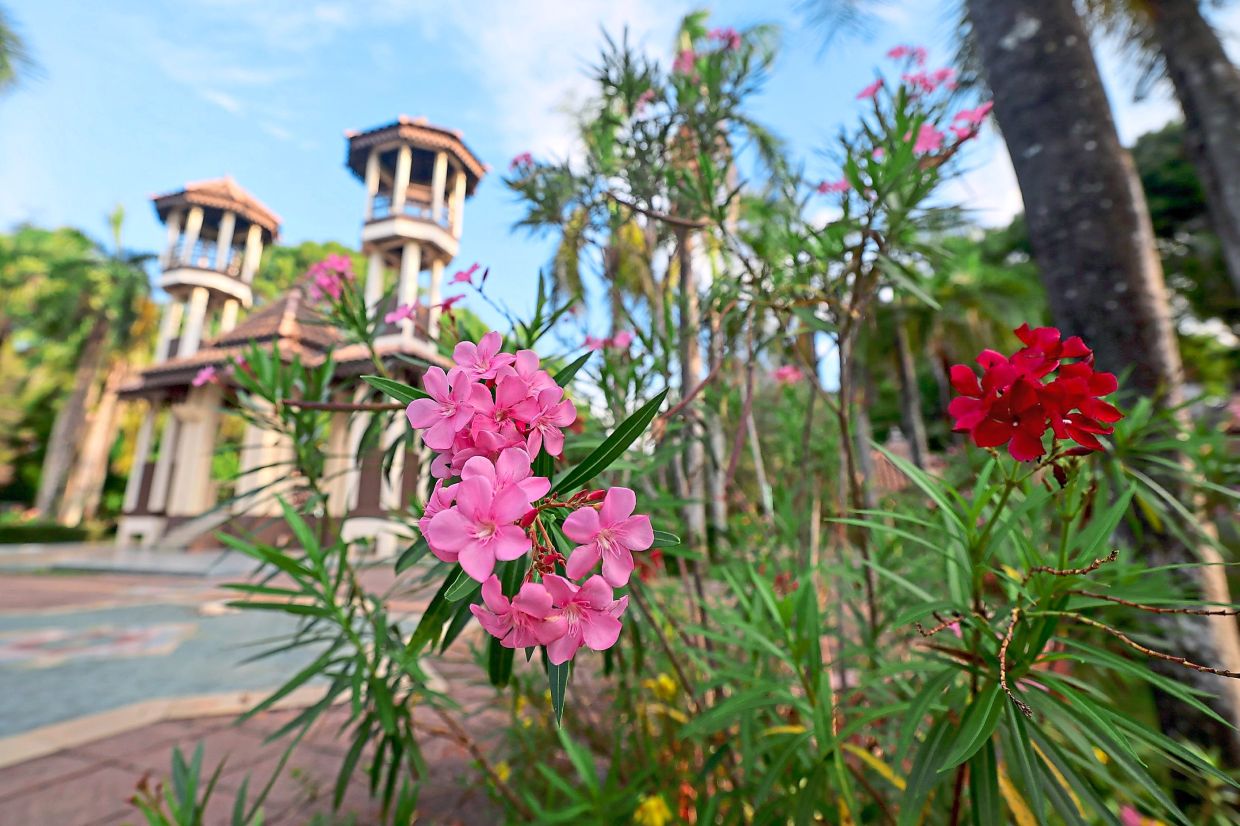
Spending time in green spaces, she said, could lower stress hormones such as cortisol, improve the mood and ease symptoms of anxiety and depression, while allowing the mind to recover from the constant stimulation of urban environments.
“Green spaces also promote a greater sense of calm, hope and life satisfaction.
“Urban living is often associated with traffic congestion, noise pollution, work-related stress and a fast-paced lifestyle.
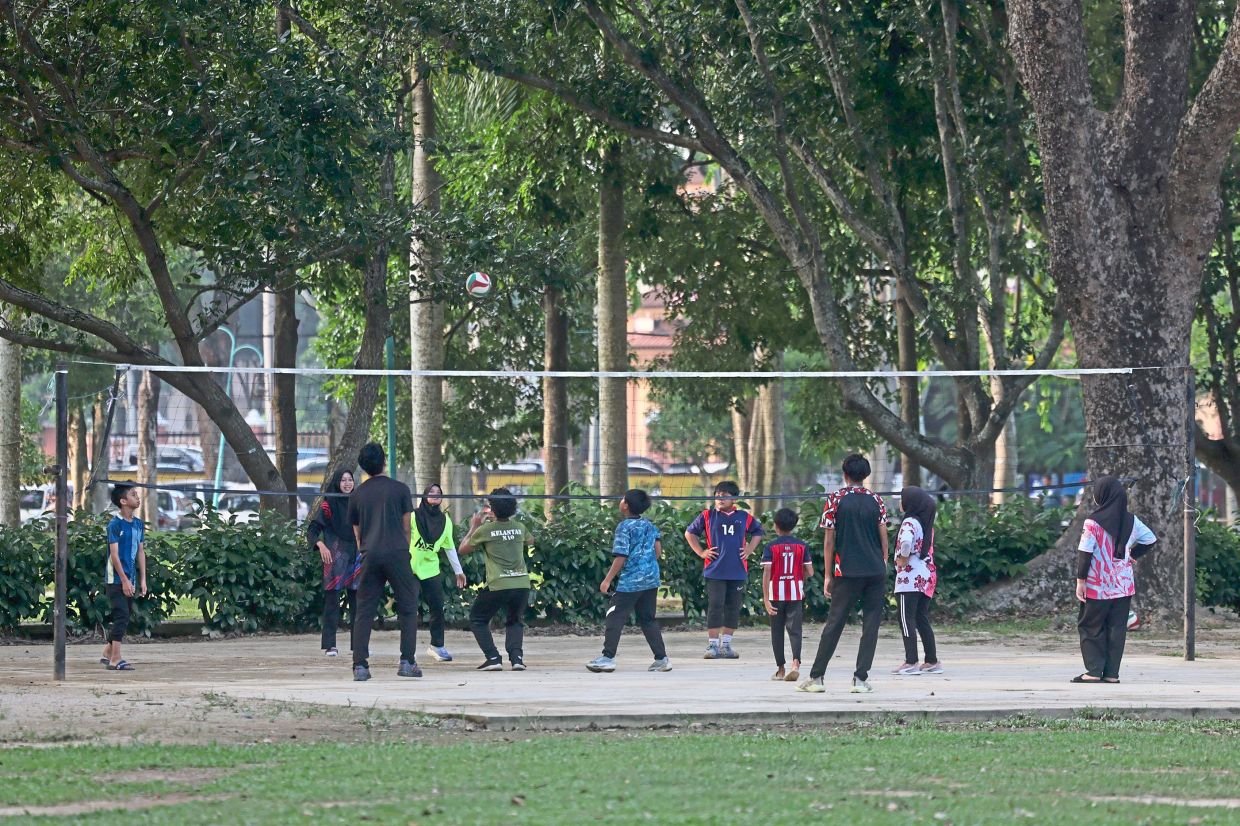
“In such circumstances, green areas become ‘psychological recovery spaces’ where people can unwind, enjoy fresher air and engage in physical activities,” said Hilwa, who is attached to the Centre for Research in Psychology and Human Well-Being at UKM’s Faculty of Social Sciences and Humanities.
She said various studies had shown that activities such as walking, jogging, cycling or simply relaxing in a park could reduce stress, anxiety and mental fatigue.
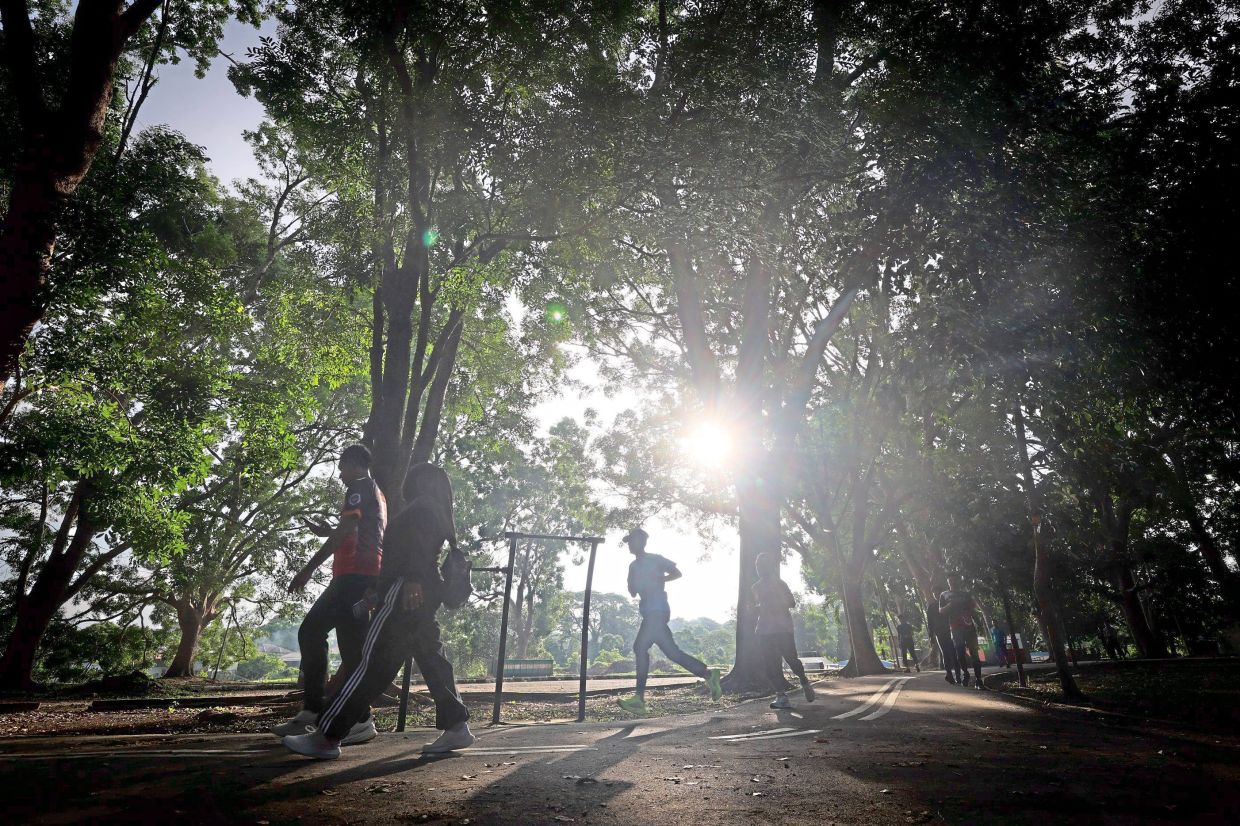
“At the same time, physical activity in parks stimulates the release of endorphins, which boost feelings of happiness and help relieve stress.
“Even spending a short period in a green space can benefit psychological well-being, provided one does it consistently.”
She added that parks also provided safe and comfortable environments where families could strengthen ties by spending quality time together through activities such as picnicking and exercising.
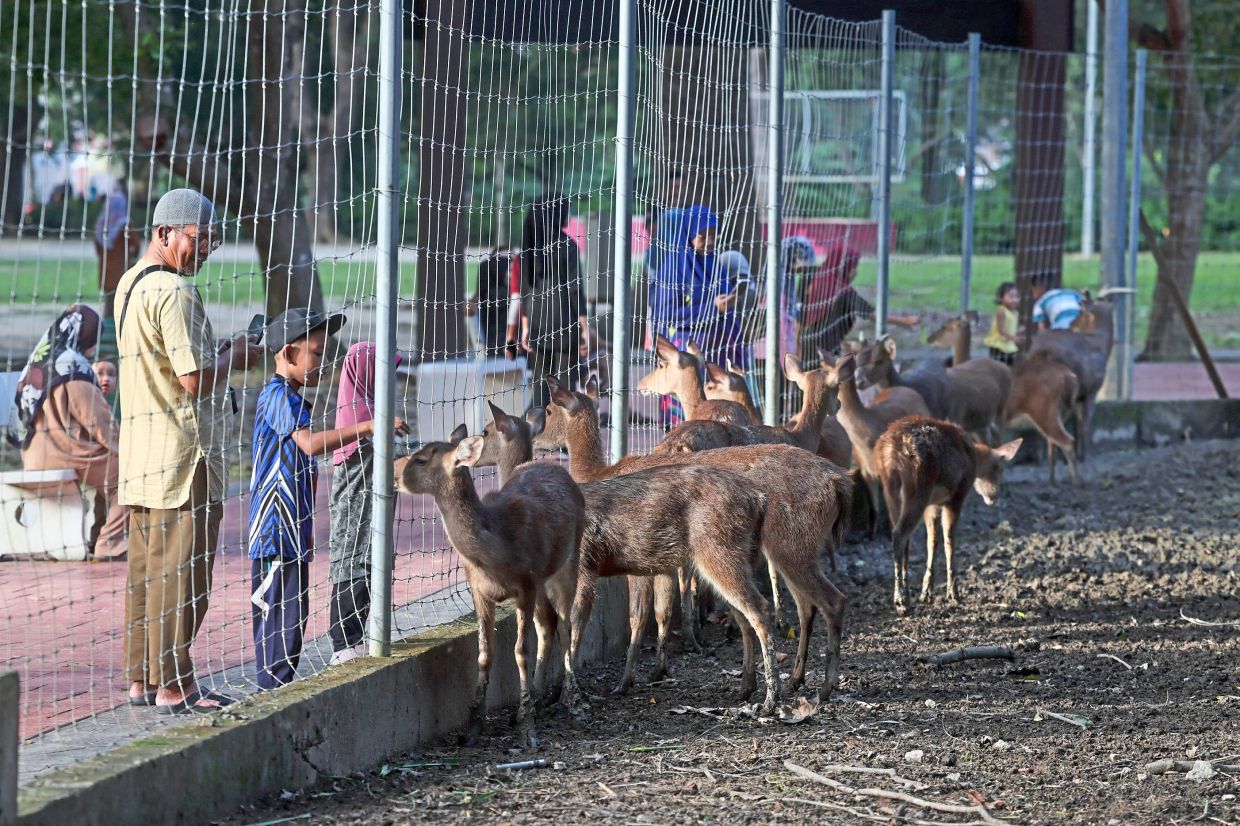
Such interactions, she said, could strengthen family ties, improve communication and create positive experiences that contributed to emotional well-being.
Public parks also serve as community gathering places for residents to socialise, interact with neighbours and nurture a stronger sense of community, she said.
“Strong social connections are an important protective factor against mental health issues because people with good social support are generally better equipped to cope with life’s challenges,” said Hilwa.
On urban planning, she said providing green spaces, pedestrian walkways, recreational facilities and social interaction areas could enhance quality of life, reduce stress and encourage healthier lifestyles.
“Green landscapes should be viewed as an investment in residents’ well-being, creating cities that are not only modern but also healthier, more balanced and sustainable,” she said.
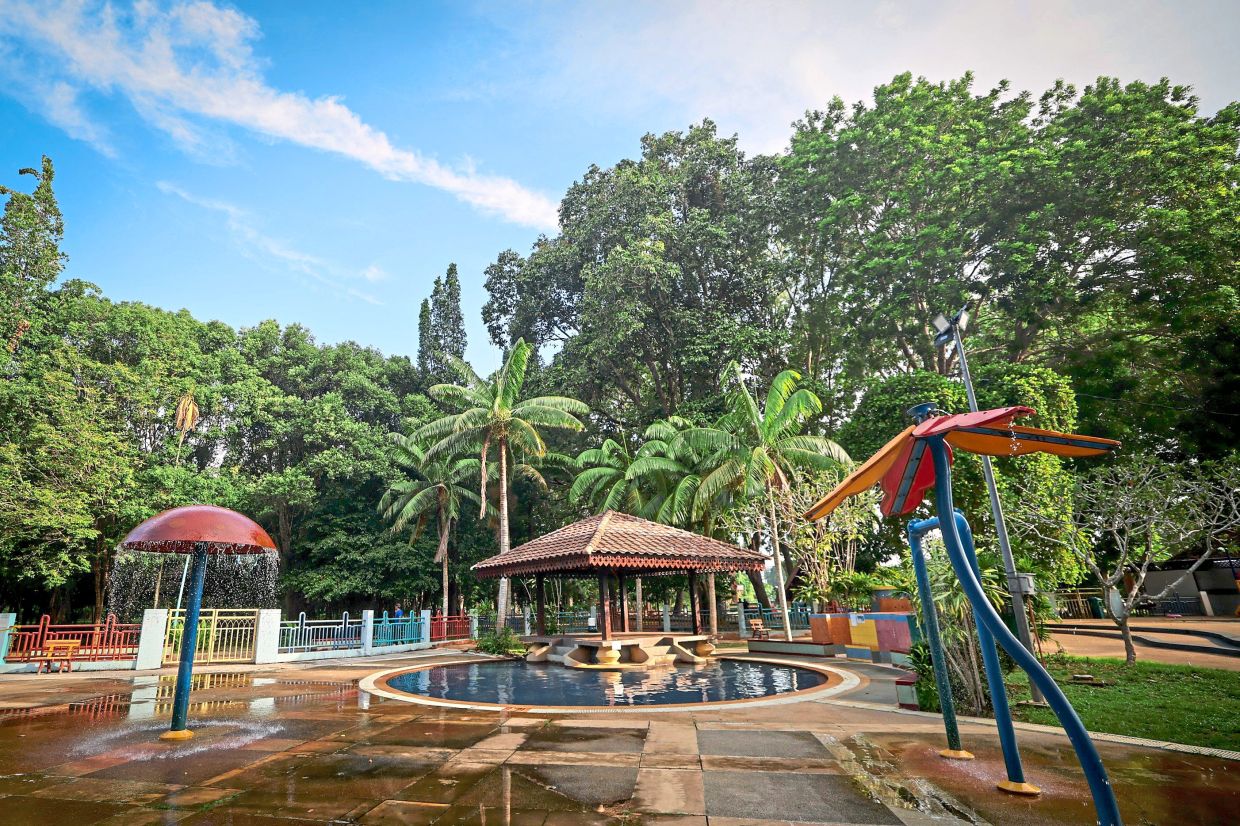
Meanwhile, civil servant Siti Aminah Abdul Maimon, 25, said she enjoys spending time at public parks after work because the tranquil surroundings help her unwind after a hard day.
“Whenever I’m surrounded by greenery, I feel calmer and more refreshed.
“It’s also a great opportunity to spend time with my family and friends,” she said.
Private sector employee Muhammad Affendi Abdul Rahman, 30, said he jogs in public parks on the weekends as the pleasant surroundings help clear his mind.
“Exercising in a green environment leaves me feeling more refreshed and energised,” he said.