THe new Kuala Lumpur City Hall (DBKL) system allowing traders to place tables and chairs on the five-foot-way for a RM30 monthly fee risks legitimising illegal obstructions, say disability advocates.
Malaysian Association for the Blind (MAB) chief executive officer Datuk George Thomas said tactile paving must remain clear as visually impaired pedestrians depend on it to move around safely and independently.
“Tactile paving is not decorative. For a blind person, it is a lifeline.
“A table or chair moved onto that path can cause someone to collide with it, fall or even be forced onto the road.

“If DBKL cannot keep these routes clear throughout the day, then the permit system is not regulating the obstruction; it is legitimising it.”
Estimates indicate that more than 300 visually impaired people navigate the Brickfields area daily.
Independent Living and Training Centre Malaysia president G. Francis Siva anticipates the move would make things worse for the disabled community.
He said the community should have been consulted before the system was introduced.
“There is already no space for wheelchair users because tables and chairs have taken over footpaths,” he added.
Brickfields Rukun Tetangga chairman SKK Naidu said allowing furniture on public walkways would not work without consistent enforcement.
Many visually impaired people, he said, have knocked into tables, chairs and other objects placed along the walkways that were meant to provide them with a safe and unobstructed route.
Naidu said the permit system could embolden traders unless it was accompanied by regular inspections and firm action.
“Even when tables and chairs are initially placed away from tactile paving, patrons frequently move them closer together when dining with larger groups.
“The furniture then spills onto the tactile route, while shop operators often fail to intervene or return it to its approved position,” he said.

On Aug 11, DBKL announced three measures to reduce red tape for businesses.
They cover the use of five-foot ways, approval for minor renovation works and reopening of food premises closed over hygiene offences.
On the fee for tables and chairs on five-foot ways, DBKL said applications would be assessed based on the suitability of the location and width of the walkway.
Although the flat RM30 monthly fee is new, the permit itself is not.
Under DBKL’s previous system, only licensed eateries could apply, with priority given to corner lots or dead-end spaces with strict controls on placement, public access and operating hours.
Pedestrian routes, wheelchair access and emergency operations must remain unobstructed.
Kuala Lumpur Residents Action for Sustainable Development Association (KLRA+SD) honorary secretary Joshua Low urged DBKL to pause the scheme until pedestrians, residents and disability groups were consulted.
He said the association was not opposed to outdoor dining, which could support small businesses and enliven commercial areas.

However, the scheme appeared to have been developed after discussions with traders without similar engagement with those most affected by walkway obstructions.
“Kuala Lumpur does not fundamentally suffer from a lack of rules.
“It suffers from a persistent gap between the rules on paper and what pedestrians experience on the ground,” he said.
Low said permits should only be issued after physical site inspections, with approved areas clearly marked.
DBKL should also conduct checks during operating hours, including evenings and weekends.
Low warned that businesses could pay RM30 but occupy considerably more space than authorised.
This would effectively turn the permit into “a very inexpensive licence to privatise public space at the public’s expense”.
He added that public complaints should supplement, not replace DBKL’s own inspection and enforcement responsibilities.
Low proposed a controlled pilot in selected commercial areas, supported by random inspections, immediate action against serious obstructions and transparent penalties.
The scheme should then undergo a six-month review involving residents, traders and disability and pedestrian groups, he added.
“Businesses can benefit from it but only if the public retains its fundamental right to move through the city safely, conveniently and independently,” Low added.
StarMetro reported on the issue in its Aug 12, 2025 report, where concerns were raised about the practice.
Eateries justified the use of walkways as a way to maximise profits and minimise costs.
Save Kuala Lumpur chairman Datuk M. Ali said pedestrian access and public safety must take precedence.
He questioned how wheelchair users, senior citizens and those using baby prams or trolleys could move safely if walkways were obstructed.
Ali also raised concerns over DBKL’s move to allow food premises ordered shut for hygiene offences to reopen as early as 24 hours after cleaning and rectification works are completed.
He questioned whether the Health Ministry had been consulted, particularly over cleanliness and pest control.
“KL is for all and not just for businesses. Public space must remain public space,” he emphasised.
Taman Tun Dr Ismail (TTDI) Residents Association chairman Abu Hafiz Abu Huraira said not all locations in the neighbourhood were suitable for outdoor seating because walkway widths varied.
To prevent abuse, Abu Hafiz urged DBKL to identify designated areas, set a strict limit on the number of tables and chairs allowed along five-foot ways, and step up enforcement at night.
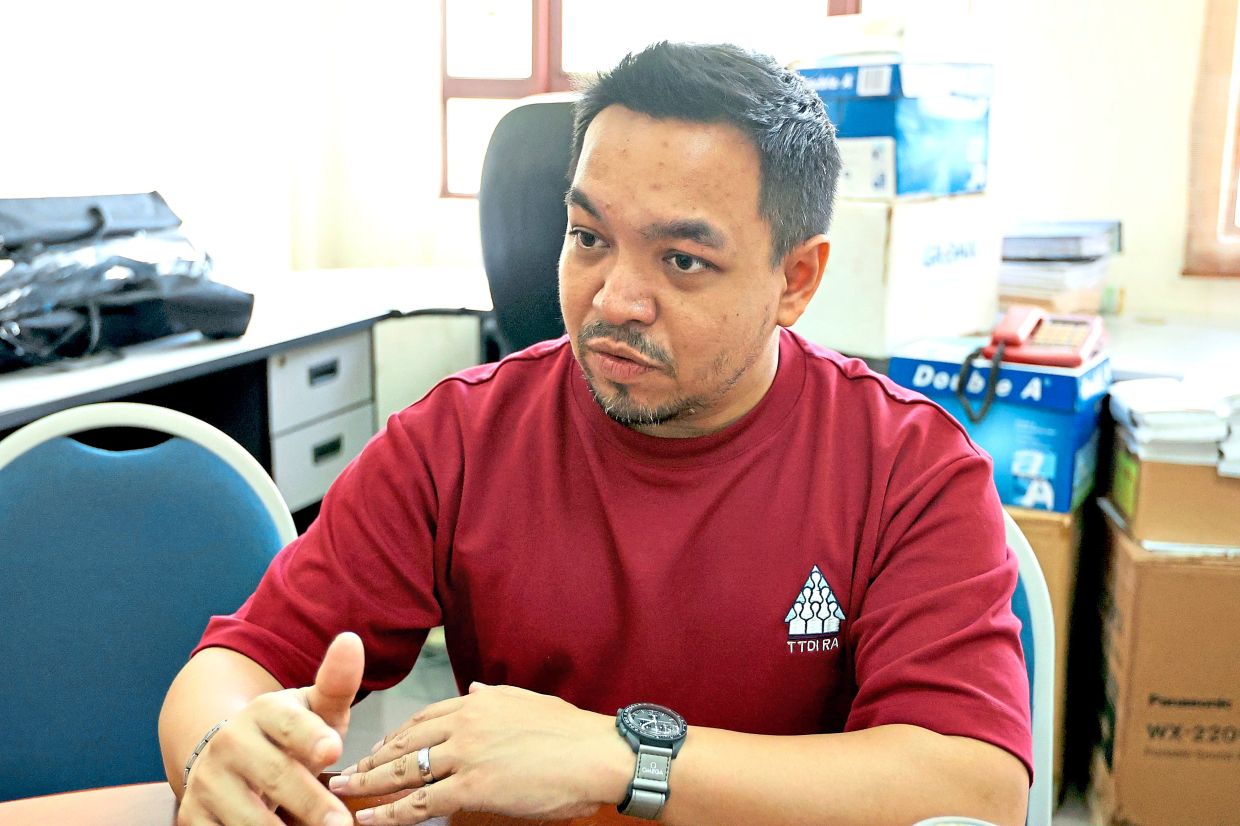
“Traffic monitoring, cleanliness and safety must be prioritised, alongside improvements to pedestrian walkways,” he added.
Selangor and Kuala Lumpur Chinese Coffee and Tea Shopkeepers Association chairman Tim Yip Pong welcomed DBKL’s measures.
He said simpler and clearer procedures would reduce costs and delays for traders.
“Being business-friendly does not mean relaxing enforcement,” he said, stressing that pedestrian access, food hygiene and public safety should not be compromised.
He also called for transparent fees, digital applications and consistent implementation across all DBKL branches.