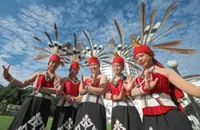
AFTER more than a decade, the “Irau Aco Lun Bawang” (IALB) pekerur (parade) is back, adding vibrancy to an annual cultural event by one of Sarawak’s indigenous ethnic groups.
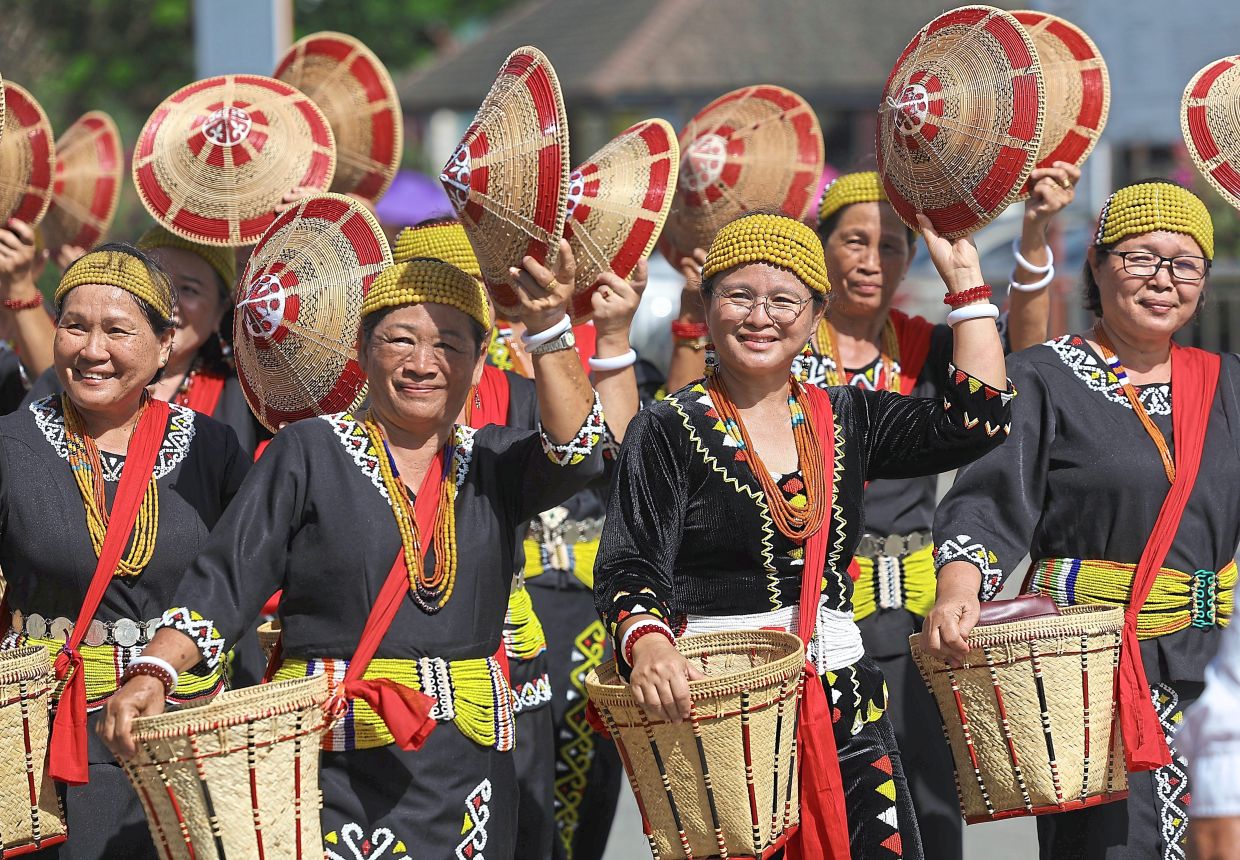
Hundreds of participants from 31 contingents marched one kilometre from Hotel Seri Malaysia Lawas to Taman Awam Lawas, dressed in traditional Lun Bawang attire that included the kuyu talun made of bark, beaded accessories and heritage ornaments symbolising the group’s identity.
For the Lun Bawang, the irau aco (meaning “festival”) is more than an annual event, it helps strengthen family relations, preserve traditions and introduces cultural heritage to the younger generation.
Now in its 39th year, the festival remains one of the most significant ethnic cultural events in northern Sarawak.
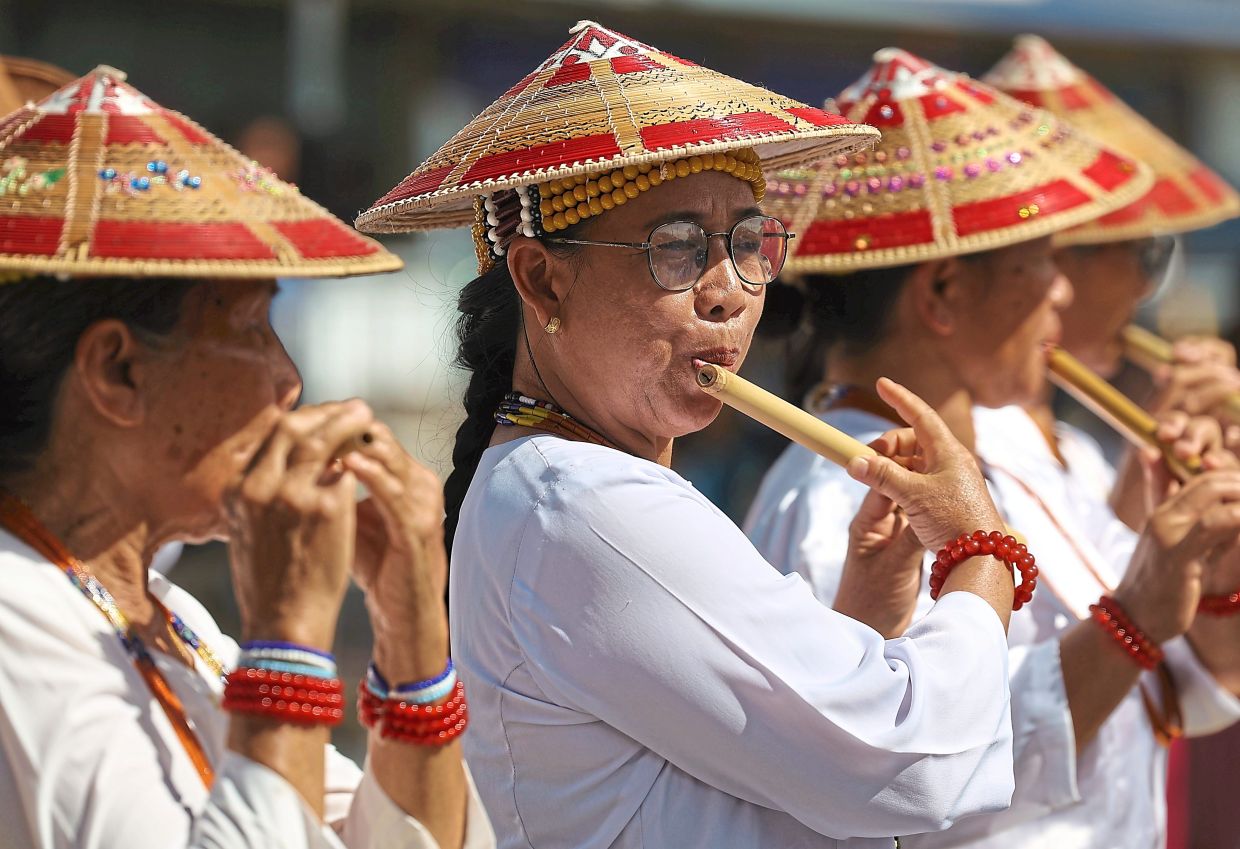
The parade included 72-year-old Langub Pengiran who has worked tirelessly to train children and teenagers in traditional bamboo music.
“We formed this group to train children to become the future custodians of Lun Bawang culture as they will be the ones to carry this heritage forward,” the head of the Persatuan Generasi Penerus contingent from Kampung Long Tuma told Bernama.
Langub said his students were taught to also make the traditional bamboo instrument, to ensure it produced the right sound.
“They learn the entire process, from harvesting bamboo in the forest to crafting the instruments.
“That is the heritage we want to pass on to the younger generation,” said Langub, who has been involved in traditional music since he was 25.
He said most of the participants in his contingent were primary pupils as young as eight, who were continuously trained in the village to prevent the traditional music from disappearing.
Meanwhile, Kampung Long Sebangang Lama contingent head Loser Sakai, 57, said the village’s participation in this year’s pekerur was particularly meaningful as it marked their first appearance in the event.
He said festivals such as IALB played a crucial role in introducing Lun Bawang culture, customs and language to the young people.
“Many are no longer fluent in the Lun Bawang language,” he said.
“That is why events such as this is important as it provides a platform to reintroduce cultural identity to future generations and is not lost to time.”
The Lun Bawang, with an estimated population of around 30,000, mostly live in Sarawak’s northern region, particularly Lawas and Limbang.
In Sabah, Brunei and Indonesia, the community is also known as Lun Dayeh or Lun Dayah.
IALB organising chairman Racha Mulong said this year’s event emphasised activities which highlighted Lun Bawang culture and traditions, including revival of the pekerur.
“This year, we are grateful to have received full support from local elected representatives Datuk Henry Sum Agong (Lawas MP) and Baru Bian (Ba’kelalan assemblyman) for the organisation of key activities,” he said.
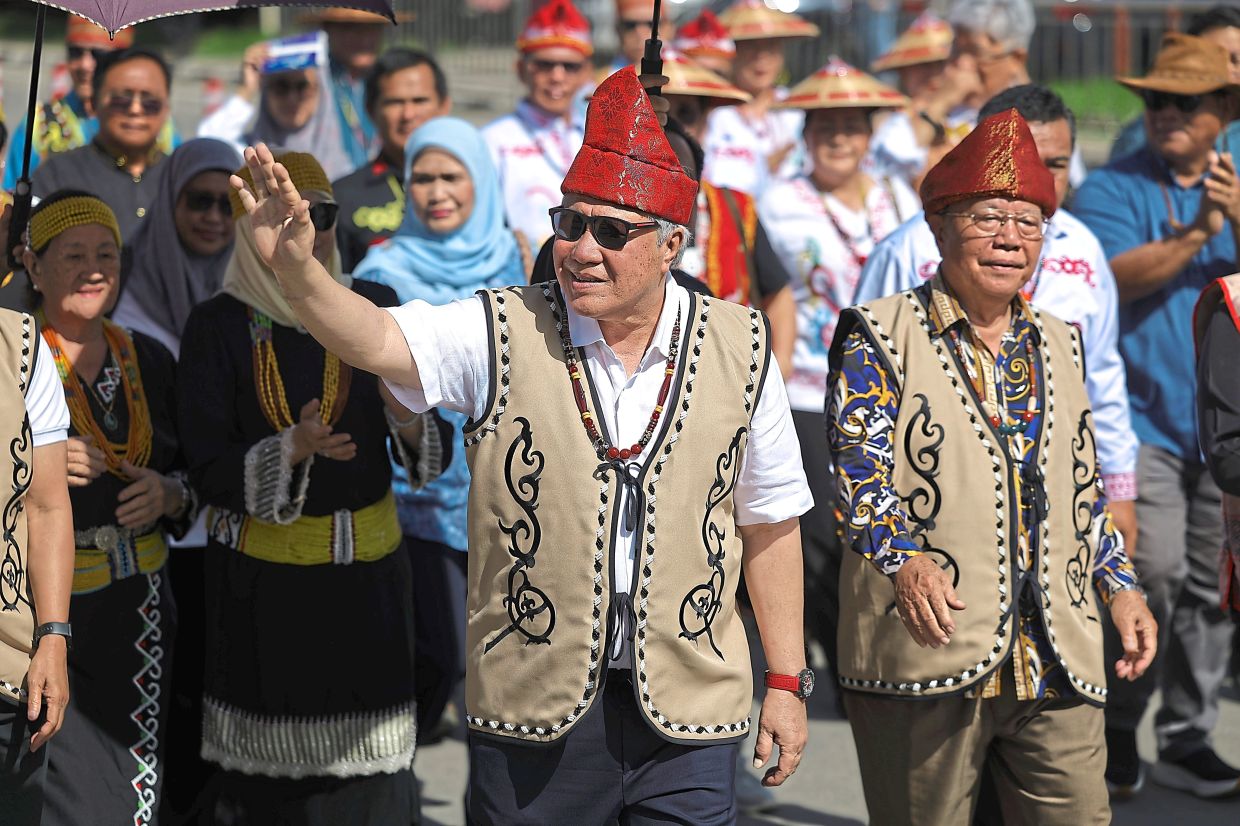
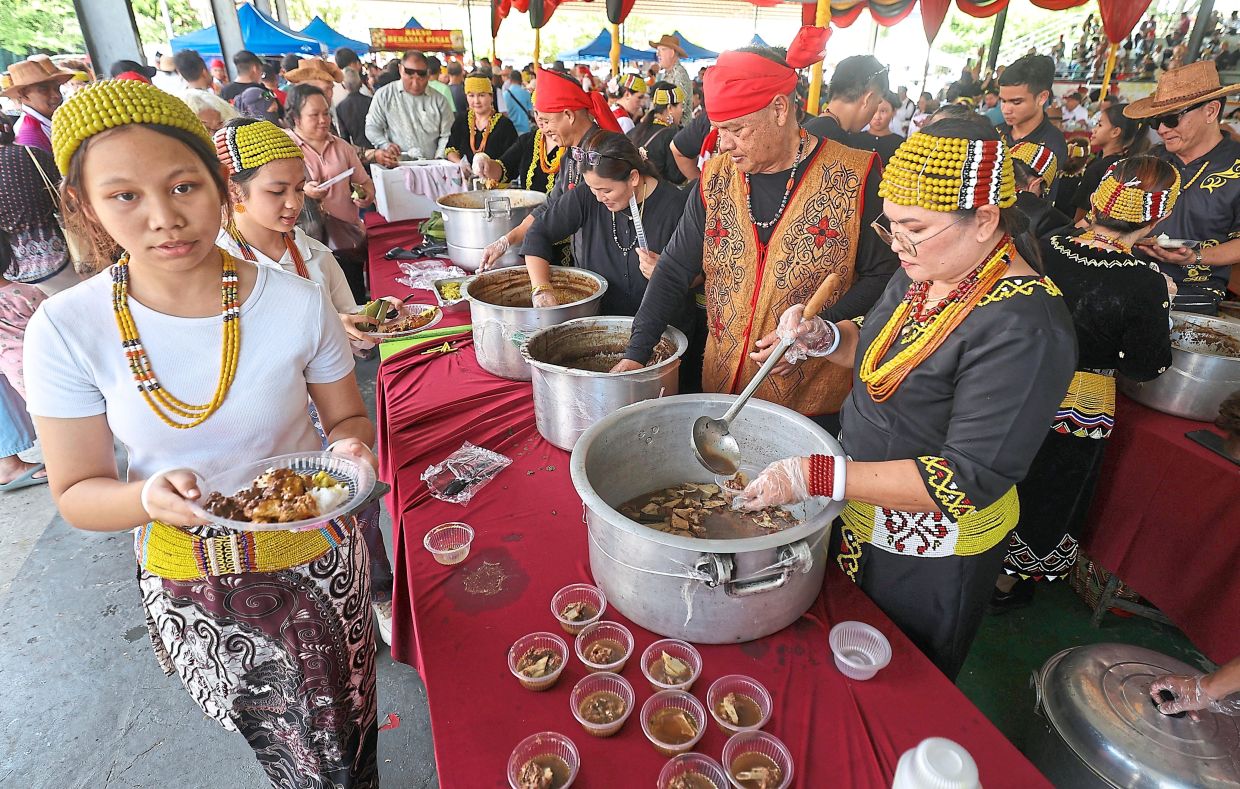
Racha said in addition to the pekerur, organisers also introduced several other cultural activities such as akan pemung or the communal meal, in line with the theme “Pitarin Ayu’ Pupu, Tueh Anak Inul” which means “Preserving Tradition, Inspiring Generations”.
Also present was Sarawak Deputy Premier Datuk Awang Tengah Ali Hasan.