FOR years, Deborah Daniel, 42, watched her mother and sisters make indigenous beaded accessories, but was never keen to join in.
“My interest was sparked about three years ago, after my mother fell ill,” she told Bernama when met at the annual Pesta Irau Aco Lun Bawang in Sarawak.
“I was not really interested in handicrafts, but over time, I began to understand the value of our heritage.”
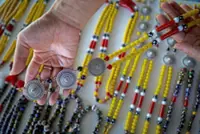
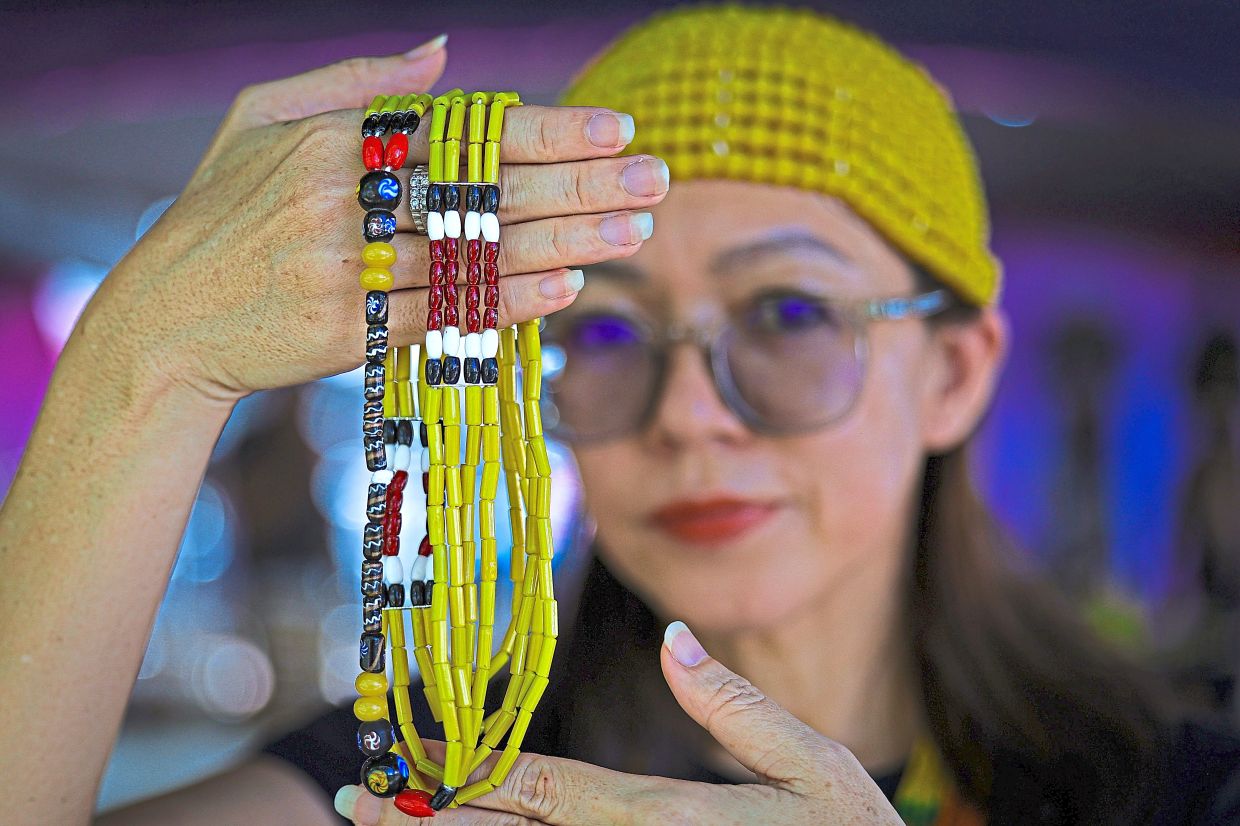
Now, she makes and sells traditional accessories such as pata (head ornaments), bane bau and bau alai (necklaces).
The Sarawakian, a member of the Lun Bawang ethnic group, said the beaded accessories completed their traditional attire and represented their identity.
“When people see these accessories, they immediately know it is Lun Bawang,” said the youngest among four siblings from Kampung Buduk Nur, Ba’Kelalan.
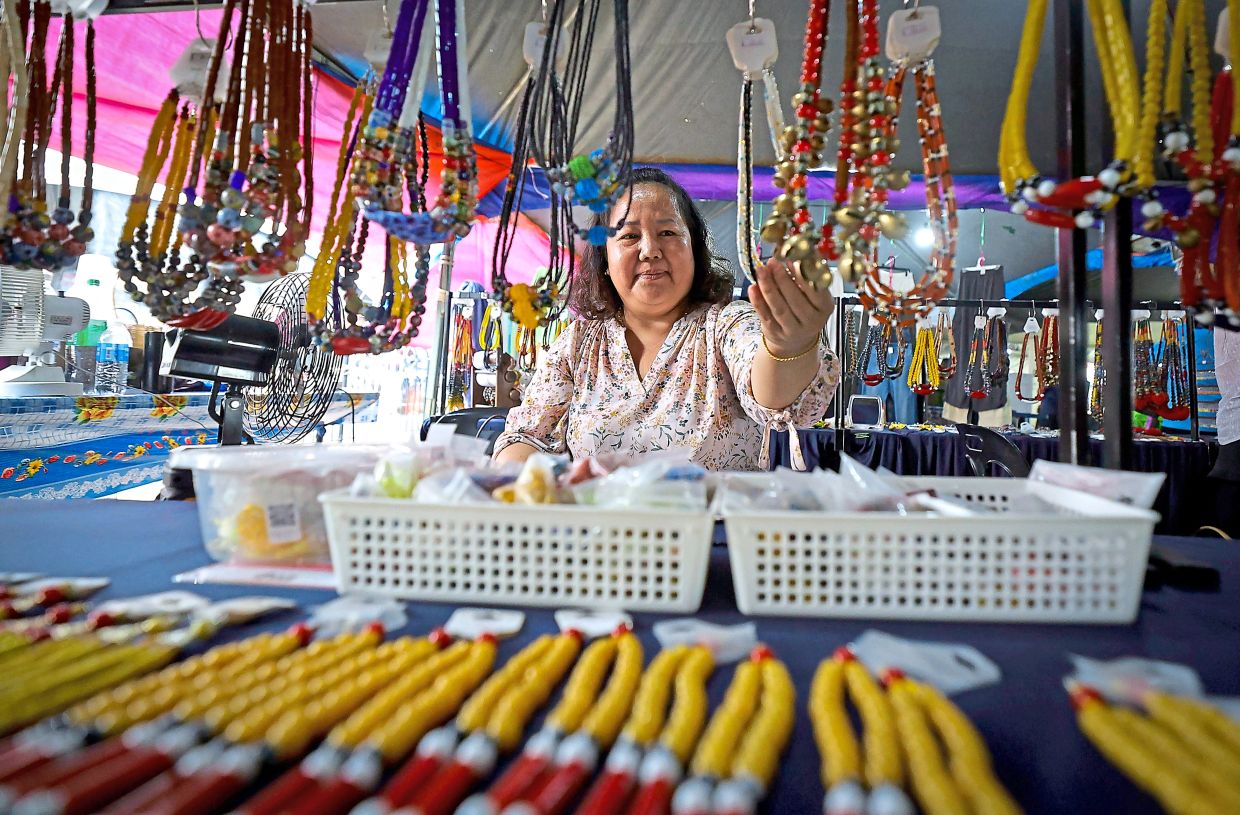
She said making the accessories could not be rushed – it required patience and precision.
Only one or two elaborate designs could be finished in a day, while up to seven simpler ones could be completed in the same period, she said.
“We order these beads from Indonesia. One of the most challenging accessories to make is the beret (belt), which is customised to the wearer.
“They can take months to finish because their patterns are more complex. My mother is more skilled at them because she has a lot of experience.”
Deborah said her family usually start making the accessories for sale a year ahead of the festival where they could make up to RM8,000.
Another Lun Bawang bead accessory maker, Yuhana Berauk, 55, said she started her business more than 15 years ago with earrings before advancing to traditional accessories.
The homemaker behind Hana Beads said although there was demand for the product, the biggest challenge was attracting the younger generation to learn the craft.
The same concern was expressed by Deborah who hoped the skill would not disappear.