Amid the bustle of Kuala Lumpur, the herbarium at Taman Botani Perdana remains largely unknown to the public.
Yet this quiet facility plays a vital role in preserving Malaysia’s natural heritage, safeguarding physical evidence of plant life as rapid urban development continues to encroach upon green spaces.
Since beginning operation in March 2017, the herbarium managed by Kuala Lumpur City Hall (DBKL) has gathered more than 5,000 plant specimens from across the country, including those from remote areas such as Long Banga in Sarawak.
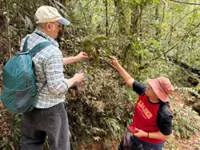
Its collection continues to grow, with recent additions from the urban forest in Bukit Dinding.
Research officer Syazwani Azeman said each specimen represented far more than just a scientific artefact – it served as tangible proof that a species once existed in a particular place and time.
“The significance of a herbarium may not be immediately apparent, but in the long-term, it becomes an important record proving that the plant species once existed in a particular area,” she said.
“Ten or 15 years from now, that species may no longer be found in its original habitat due to development or ecosystem changes, but we will still have physical evidence for future generations of researchers.”
As a scientific reference centre, the herbarium acts as a repository of biodiversity memory, documenting changes in the natural landscape – particularly in fast developing urban areas such as Kuala Lumpur.
Every specimen undergoes a lengthy and meticulous process before it is permanently preserved.
The collection typically takes place when plants bear flowers or fruit, which aid identification.
Voucher specimens − collected first and identified later − are also gathered for educational and record-keeping purposes.
Once back from the field, samples are cleaned, trimmed, pressed and dried in a specialised oven at 55°C to 65°C for four to seven days.
They are then left at room temperature before undergoing a freezer quarantine to prevent insect infestation or fungal growth.
After drying, each specimen is labelled with detailed scientific information, including location, date, habitat description and GPS coordinates – effectively giving every plant its own “birth certificate”.
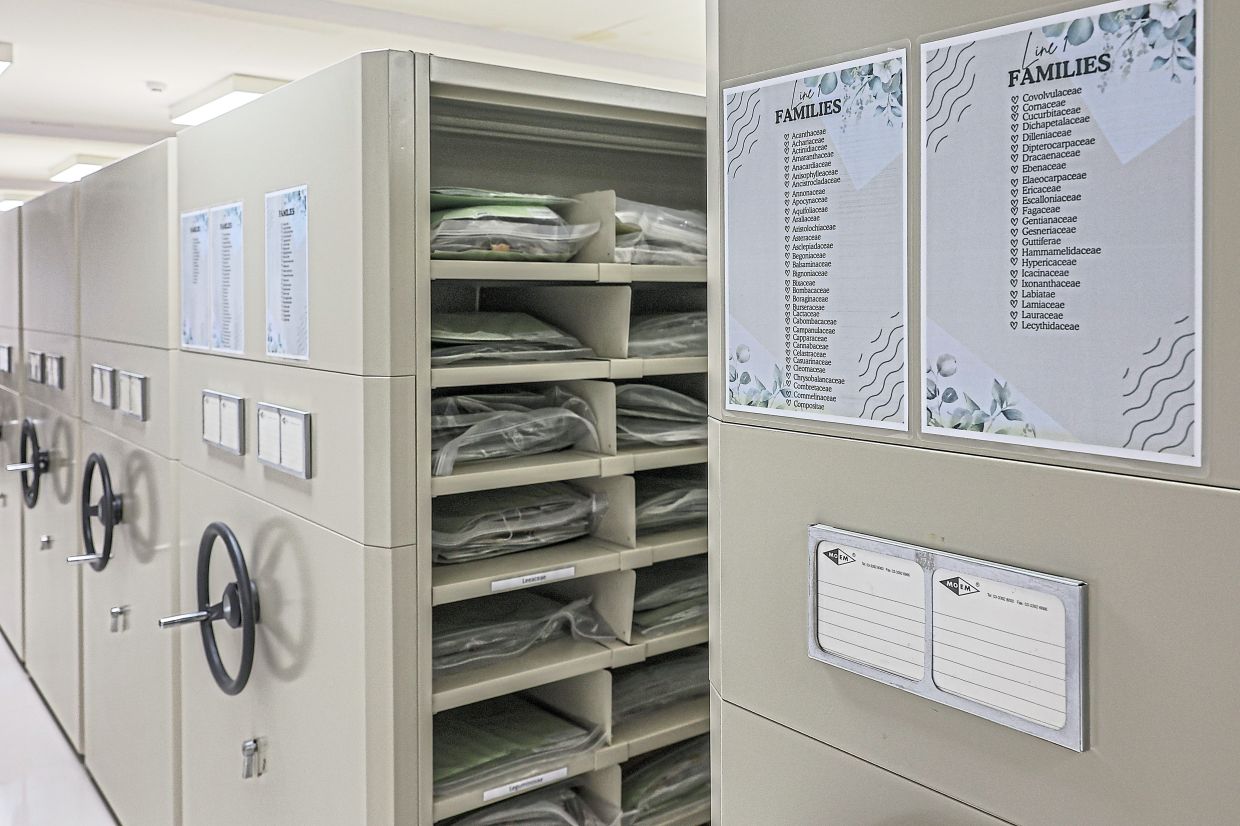
The specimens are then mounted on archival sheets and organised by plant family in a compact storage system resembling a library catalogue.
Syazwani said herbarium specimens could survive for decades, even centuries, if properly maintained.
She cited collections at Forest Research Institute Malaysia (FRIM), where specimens hundreds of years old remained in excellent condition.
“The original specimens are preserved because they are important for research.
“A herbarium is designed for the long-term,” she told Bernama.
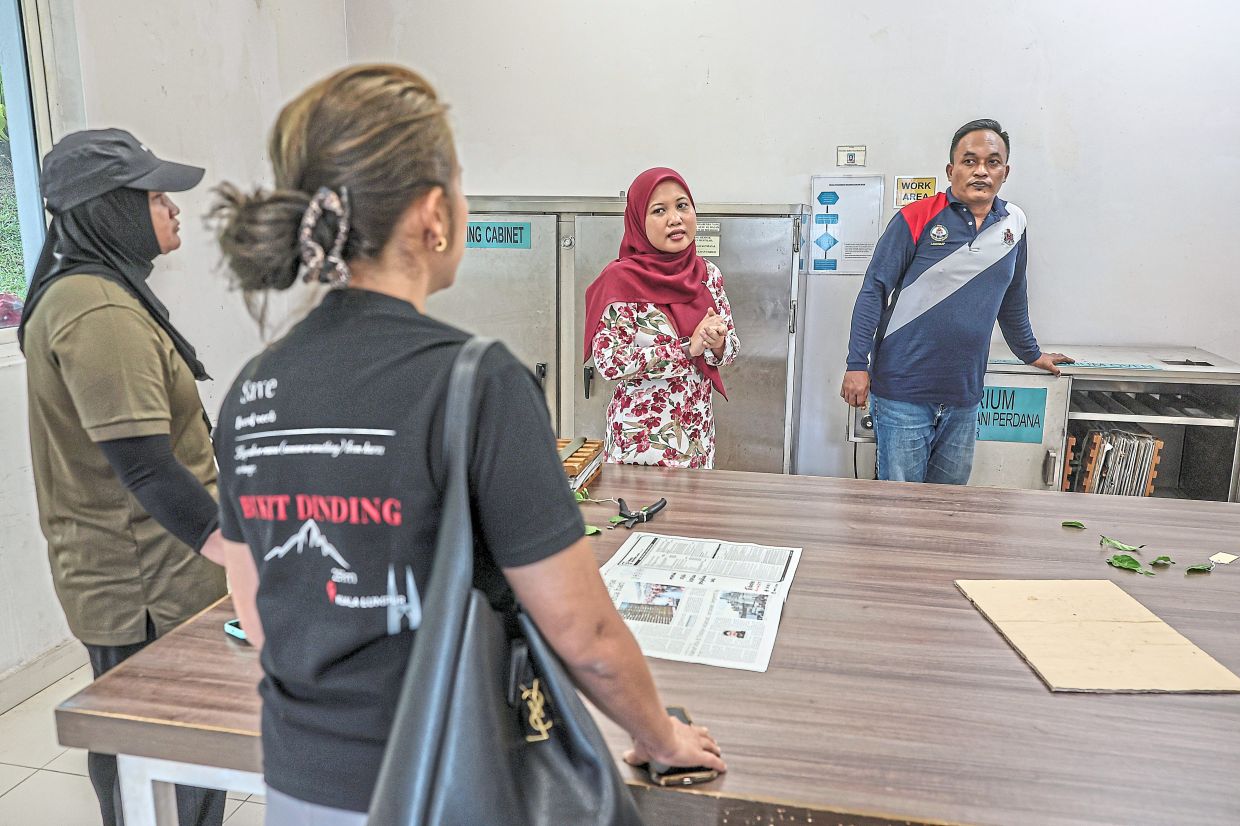
During a recent visit, herbarium staff were busy processing specimens collected from Bukit Dinding during mid-May fieldwork, involving 40 to 50 samples.
Syazwani said this marked one of the first biodiversity documentation efforts in the area.
“Even if the same species has been collected elsewhere, it is still important to document it as the locality is different.”
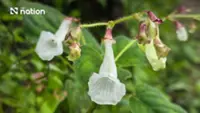
The survey also yielded several interesting species still undergoing identification, including wild ginger with striking red flowers.
The team plans to submit a report and produce public awareness materials to highlight the area’s biodiversity.
In line with technological advancements, the herbarium is embarking on a digitisation initiative in collaboration with Malaysia Biodiversity Information System (MyBIS) to broaden biodiversity data access for researchers, educational institutions and the public.
Friends of Bukit Dinding (FoBD) vice-president Inci Anggie Narina Syafruddin said studies by various institutions identified the area as one of Kuala Lumpur’s important biodiversity hotspots.
Although previously regarded as having limited biodiversity due to its secondary forest status, recent findings suggest otherwise.
A 2023 baseline assessment by Malaysian Nature Society recorded 175 plant species as well as butterflies (92), birds (81), herpetofauna (28), odonata (9) and mammals (5).
Wildlife such as leopard cats, civets, monkeys, wild boars, snakes and monitor lizards further underscore its ecological value.
The findings were strengthened in 2024 through collaboration with Sunway Centre for Planetary Health, which used bioacoustic monitoring and camera traps.
Inci said Bukit Dinding also served as an urban community hub.
Strava Metro, the aggregator for users of the fitness and network app, recorded more than 360,000 visitors to the area in 2024, though the actual figure is believed to be higher.
“Its importance extends beyond species diversity – it is a space for education, biodiversity awareness and fostering connections between people and nature, which are becoming increasingly rare,” Inci said.