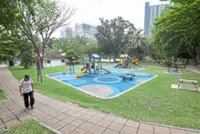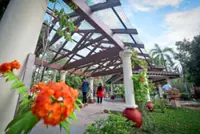
The term “green lung” brings to mind parks, fields, trees and open spaces with benches for public use.
This was certainly what Kuala Lumpur Residents Action for Sustainable Development Association (KLRA+SD) honorary secretary Joshua Low expected when the Federal Territories Department (JWP) announced that 543 green lungs and public open spaces had been gazetted for protection.

Community activist Yee Poh Ping was on a similar mission in another part of Kuala Lumpur.
Yee found a site along Jalan Sultan Azlan Shah (formerly Jalan Ipoh) that, despite being gazetted as a green space, held a 21-year lease and was occupied by a car showroom.
Since this February, the public has been able to view all 543 gazetted green and open spaces on the Federal Territories Lands and Mines Office (PTGWP) MyHijau portal.
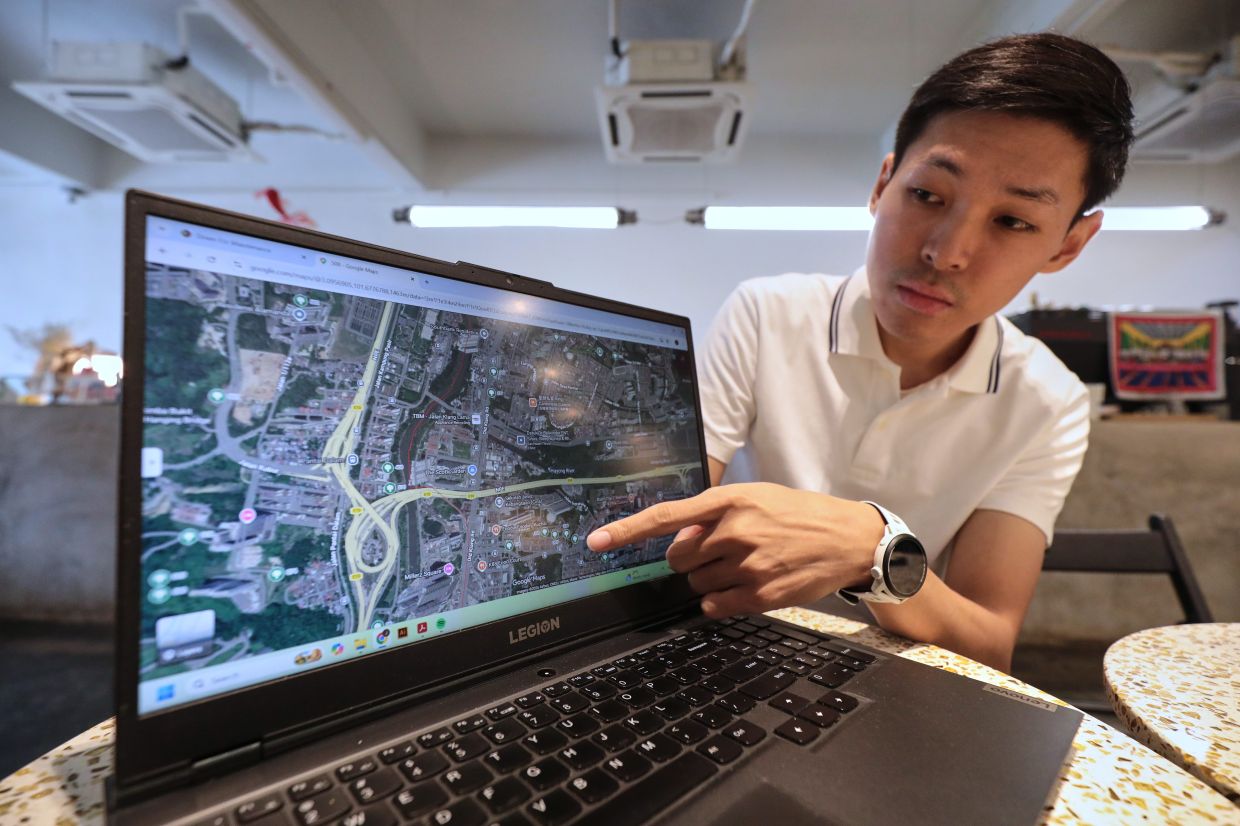
The MyHijau portal is an online public database that allows users to view the location, size and gazettement status of Kuala Lumpur’s green and open spaces.
On the ground checks
Alerted by concerned groups, StarMetro checked on sites listed on MyHijau and found that while many continue to serve their intended purpose, others had been leased, occupied or repurposed for commercial use.
One such example is a plot off Jalan Genting Kelang in Setapak which is designated as an open space on the MyHijau data.
However, based on Google Maps, a second-hand car dealership has been operating on the land since 2018.
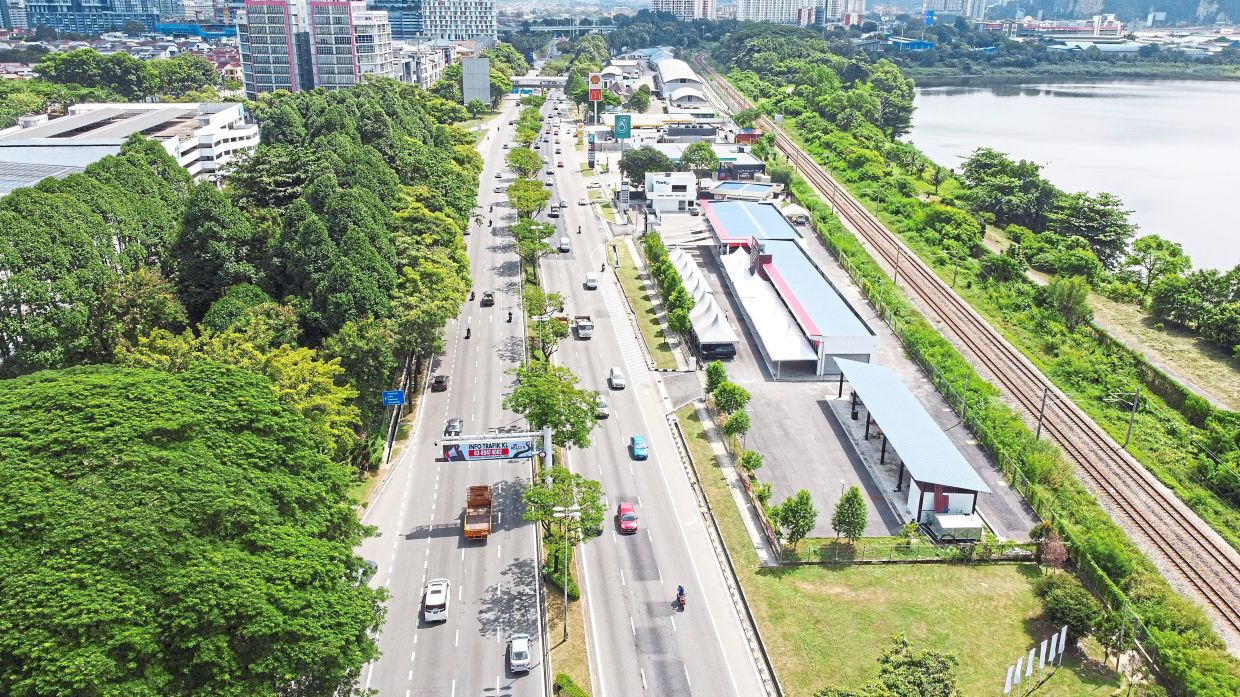
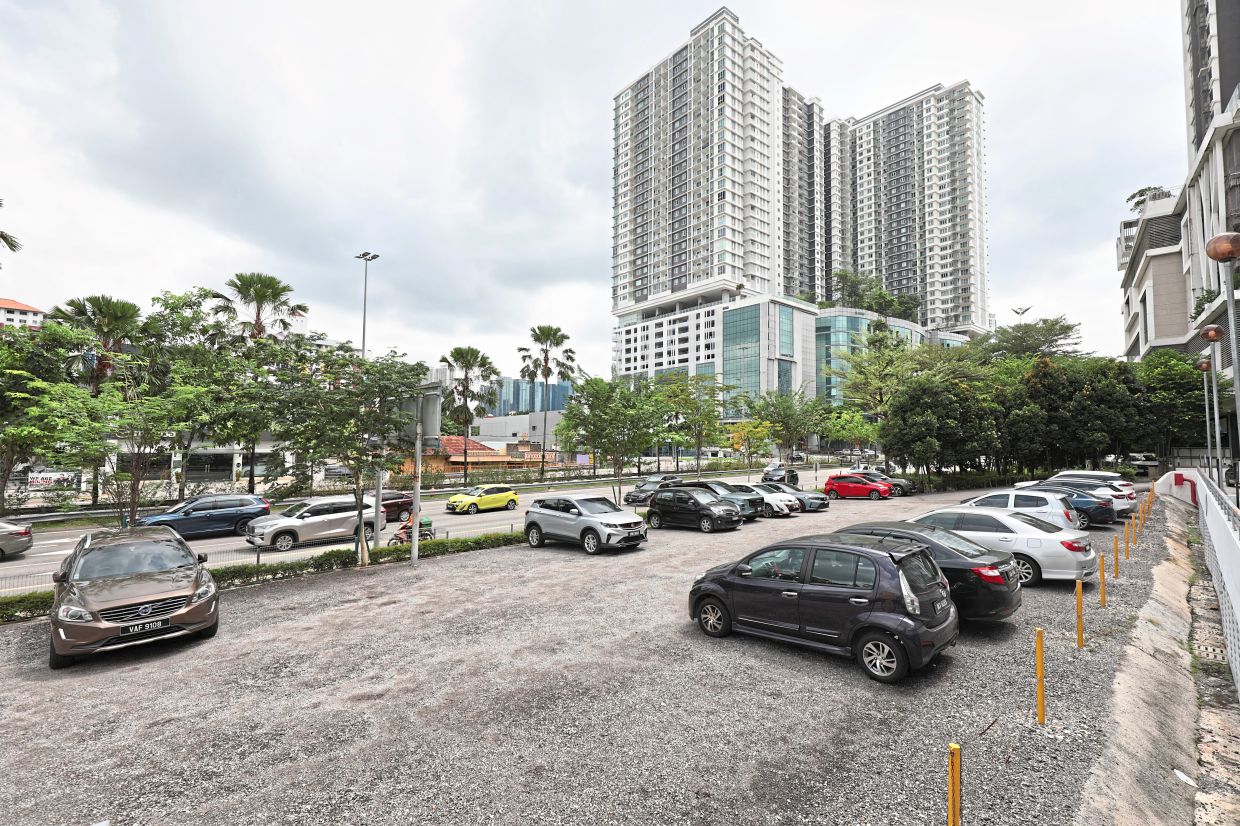
In Pudu, another gazetted green space is being used as a parking lot serving visitors to a nearby wholesale supermarket.
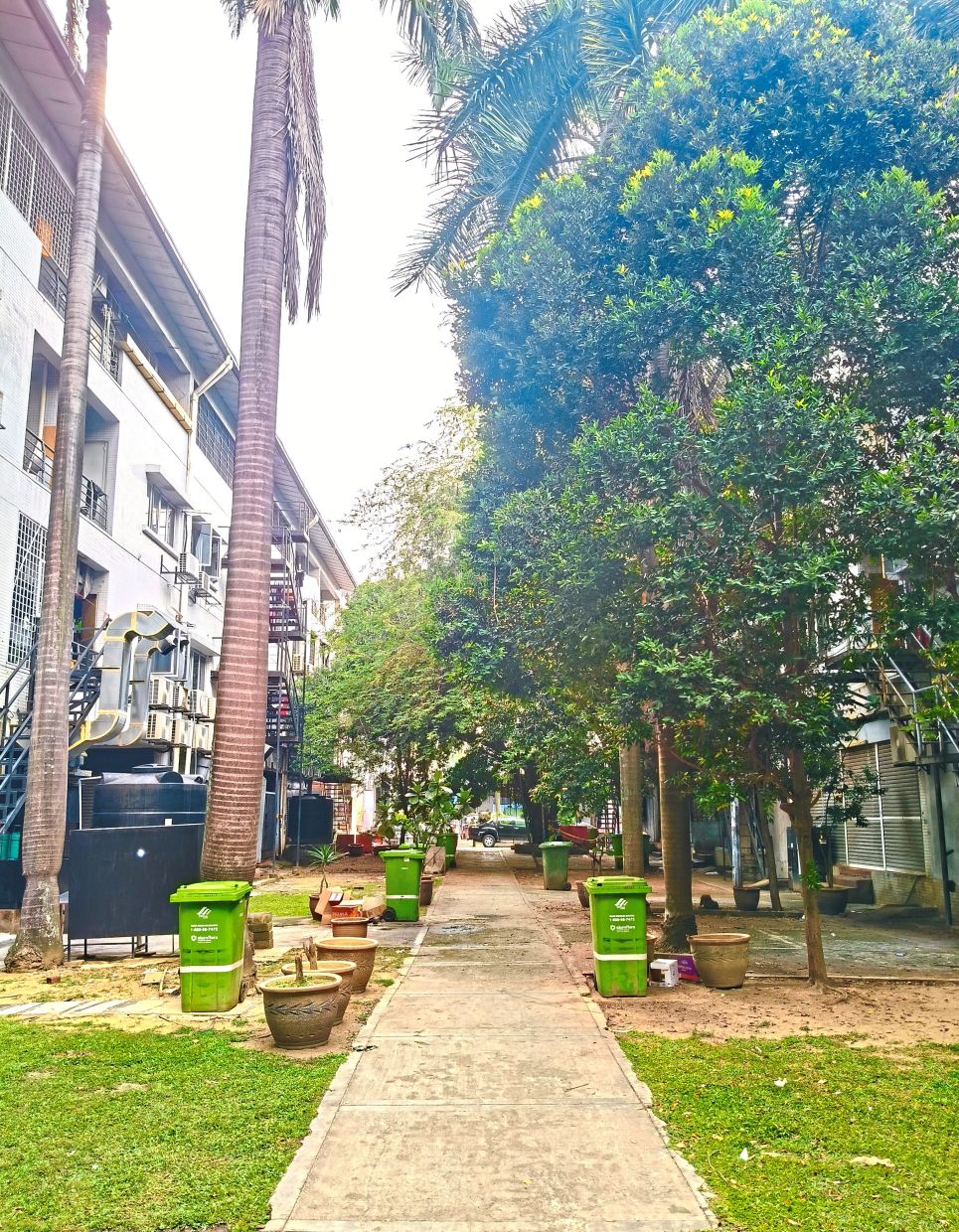
In Desa Sri Hartamas, Lot 55133, gazetted as “green space and public corridor”, is being used as a back lane.
Last month, Kuala Lumpur mayor Datuk Seri Fadlun Mak Ujud identified a nearby pedestrian walkway (Lot 55132) for access to improve waste collection and overall traffic flow.
In contrast, a gazetted open space along Jalan Billion Mewah, previously occupied by commercial premises, has since been reclaimed by Kuala Lumpur City Hall (DBKL) and restored as open space.
Seeking clarity
Like many residents, Low and Yee expected the list to consist of green lungs and public open spaces reserved for community use.
Instead, they found several sites occupied by business activities, raising questions about what protection means when gazetted green spaces are used commercially.
Yee said residents were not questioning the gazettement itself, but want clearer guidelines on what constitutes a protected green lung.
“When people hear that a site has been gazetted, they assume it will remain an open space for public use.
“But some of the sites we checked look very different from what most people would consider a green lung,” he said.
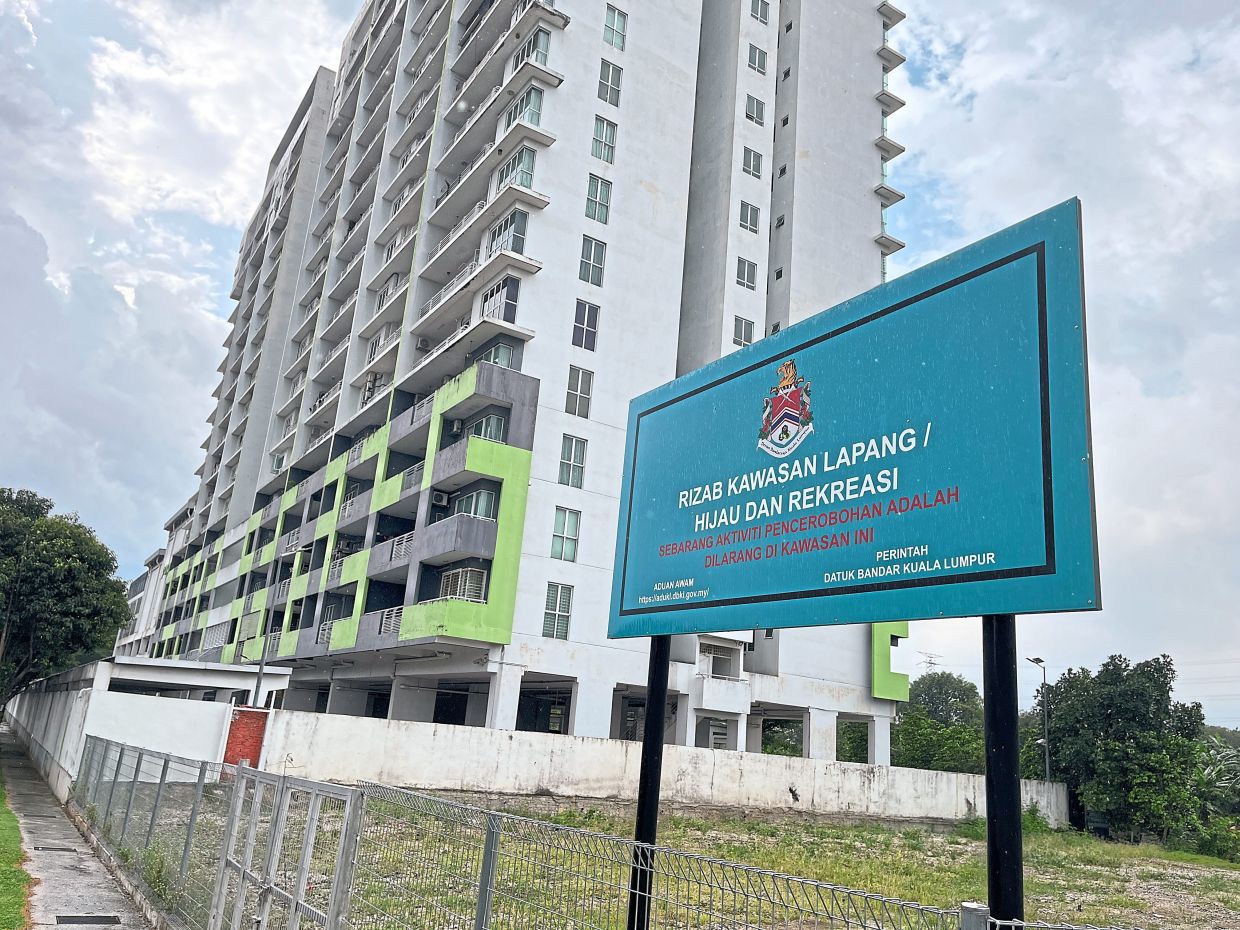
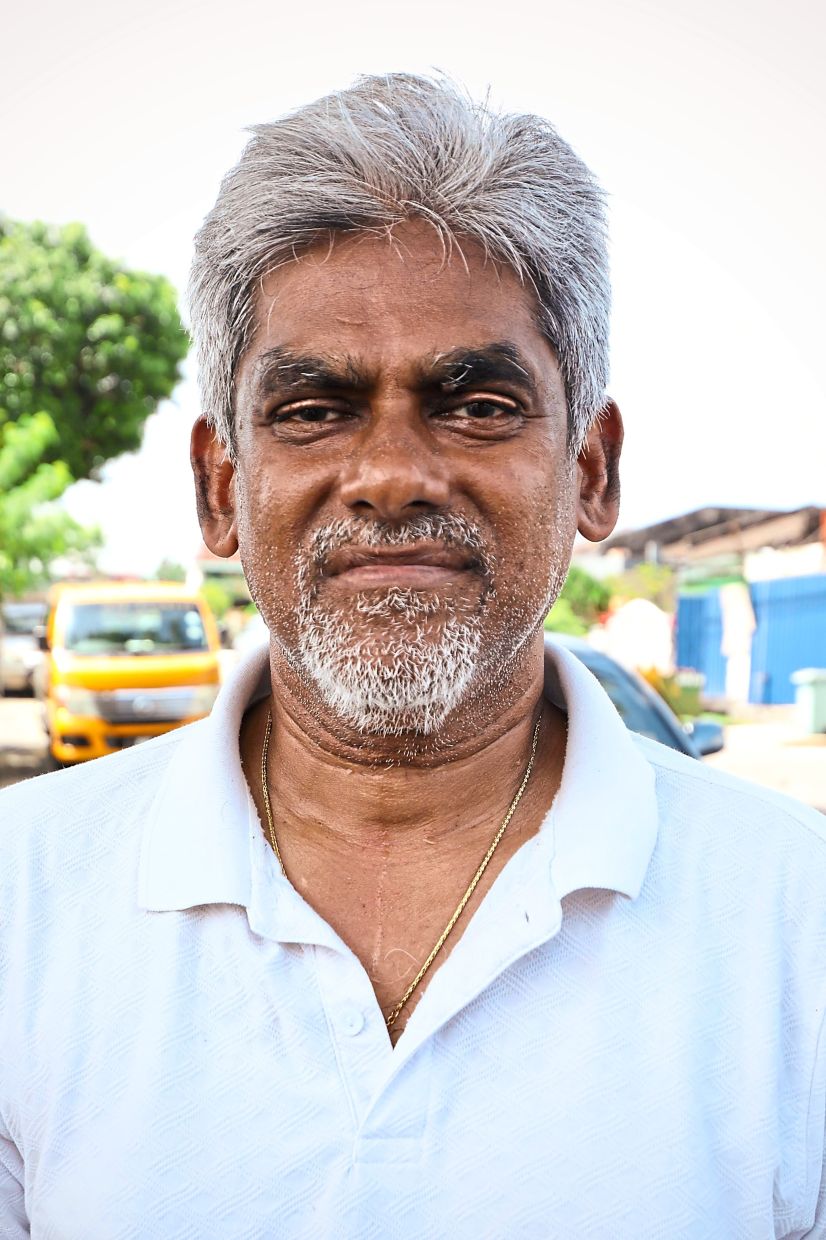
Happy Garden and Continental Park Residents Association treasurer P. Tamilwanan said residents needed assurance that gazetted green lungs would remain protected and publicly accessible.
“Many residents assume that once land is gazetted as a green lung, it remains protected for public and environmental purposes,” he said.
“But when people see commercial activities taking place on these lands, they will ask what exactly is being protected.”
Among the questions being raised by residents are – if green lung spaces can be leased for commercial activities; how much commercial use is permitted; and whether the land can still be regarded as a green lung when it no longer functions or appears as one.
Permitted use
The fact that commercial activities are taking place on gazetted land is not necessarily evidence of wrongdoing.
Section 63 of the National Land Code 1965 (NLC) grants the state authority the right to lease reserved land.
This right is subject to conditions imposed by the relevant authorities and compliance with planning requirements.
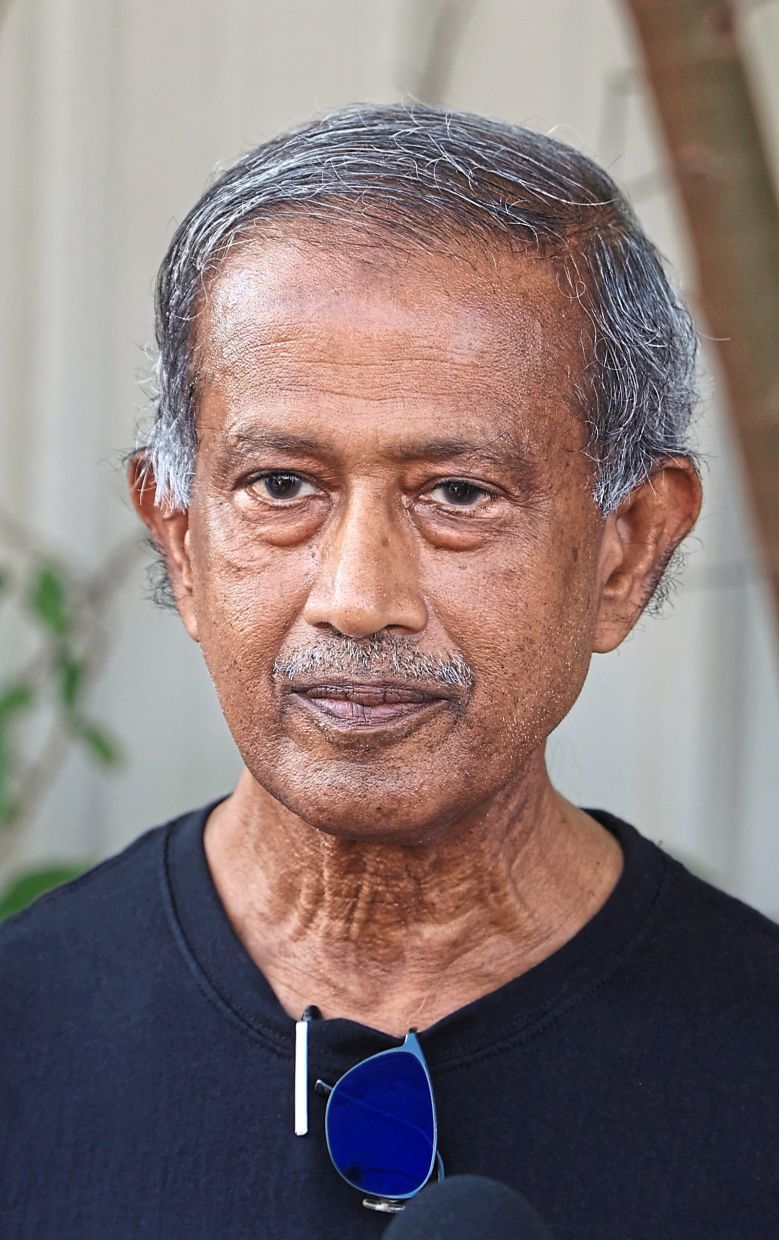
Environmental activist Peter Leong said the issue was not Section 63 of NLC, but how it was being applied.
“The law itself is not necessarily wrong. The problem is the
perversion of how it is being applied,” he said.
Leong said land reserved as an open space should continue serving that purpose rather than unrelated commercial activities.
He referred to Laman Duta, designated as OS1 (Public Open Space 1) under the Kuala Lum-pur Local Plan 2040 (KLLP2040), which is currently being developed as an event space.
“The concern is whether we are still protecting open spaces in substance, or merely retaining the label on paper,” he said.
Under the Kuala Lumpur Local Plan 2040, OS1 refers to public open spaces for recreation.
Supporting facilities, such as management offices and food and beverage outlets, are permitted, provided they occupy no more than 30% of the site and do not affect the land’s primary function or public accessibility.
Low said another issue requiring clarification was how this 30% limit was interpreted.
“DBKL needs to explain whether the limit applies cumulatively to all supporting activities, or whether each category is allowed up to 30% individually,” he said.
“If each activity is allocated separately, a site could end up with a showroom, sales office and cafe collectively taking up most of the space while still being classified as OS1 on paper.”
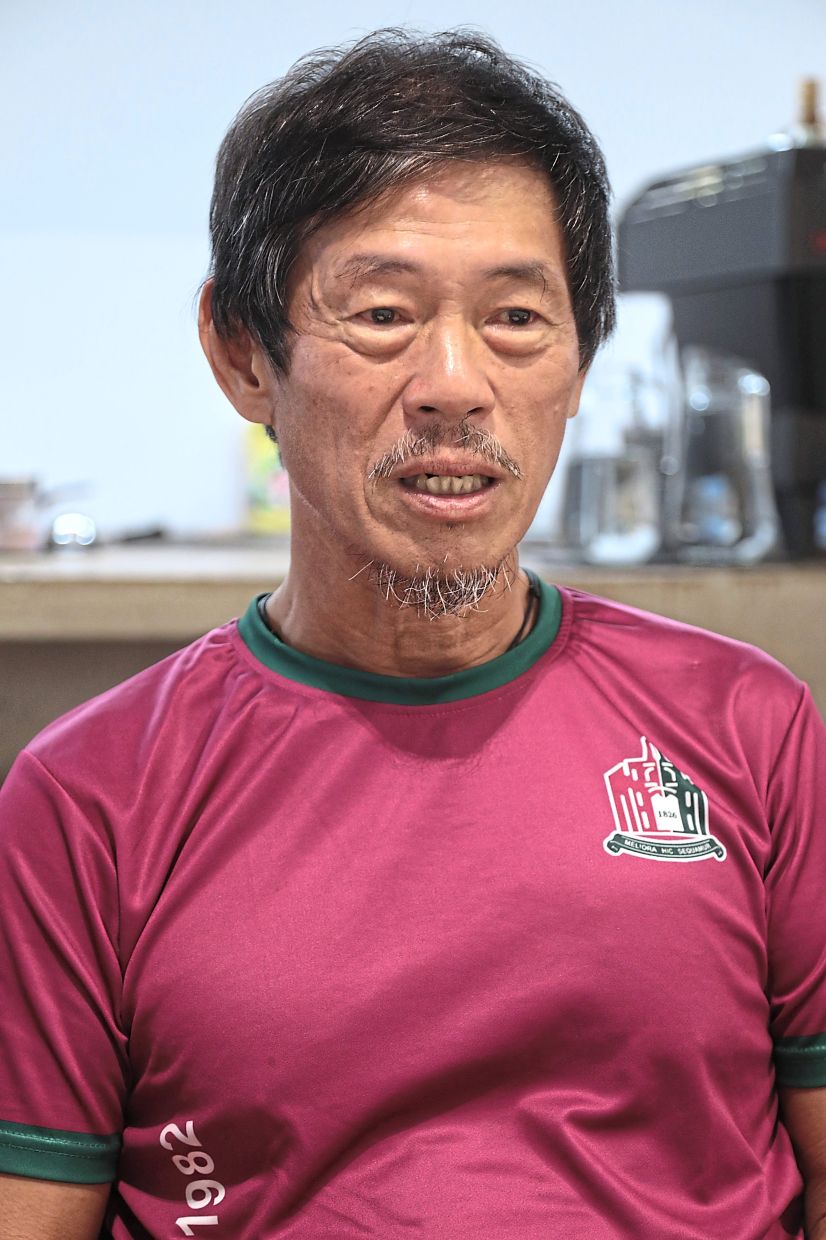
Low referred to the car showroom n Jalan Sultan Azlan Shah as an example where most of the land was occupied by commercial activities, despite being listed as a gazetted green lung.
“Similarly, a gazetted green lung in Jalan Kelang Lama has been occupied by a restaurant for decades, with its operations and structures covering a substantial portion of the site, including areas above existing drains.
“This is why residents are calling for clearer limits on how much commercial activity is allowed before the land’s primary purpose is effectively eroded.
“There is a risk that commercial uses could gradually consume most of a site while it continues to be classified as OS1.
“Residents are not opposed to supporting facilities within parks and public open spaces.
“But there must be a point where supporting uses cease to be secondary and begin to overtake the land’s primary purpose.”
Save Kuala Lumpur Coalition chairman Datuk M. Ali said the issue revolved around public expectations.
“If a piece of land is protected as a green lung, people expect it to remain a green lung.
“When the government says a green lung is permanently protected, the public imagines their children and grandchildren enjoying that space one day.
“They do not imagine it being occupied by commercial activities for decades,” he said.
Ali said the real measure of a green lung was not whether it remained protected on paper, but whether future generations would still be able to use and enjoy it.
“The test is simple – can people walk on it, play on it and benefit from it as a public space?
“If the answer is no, then we need to ask whether we are truly protecting our green lungs.”
While gazettement may protect land on paper, the findings raise questions over whether some sites continue to function as the public green spaces they were meant to be.
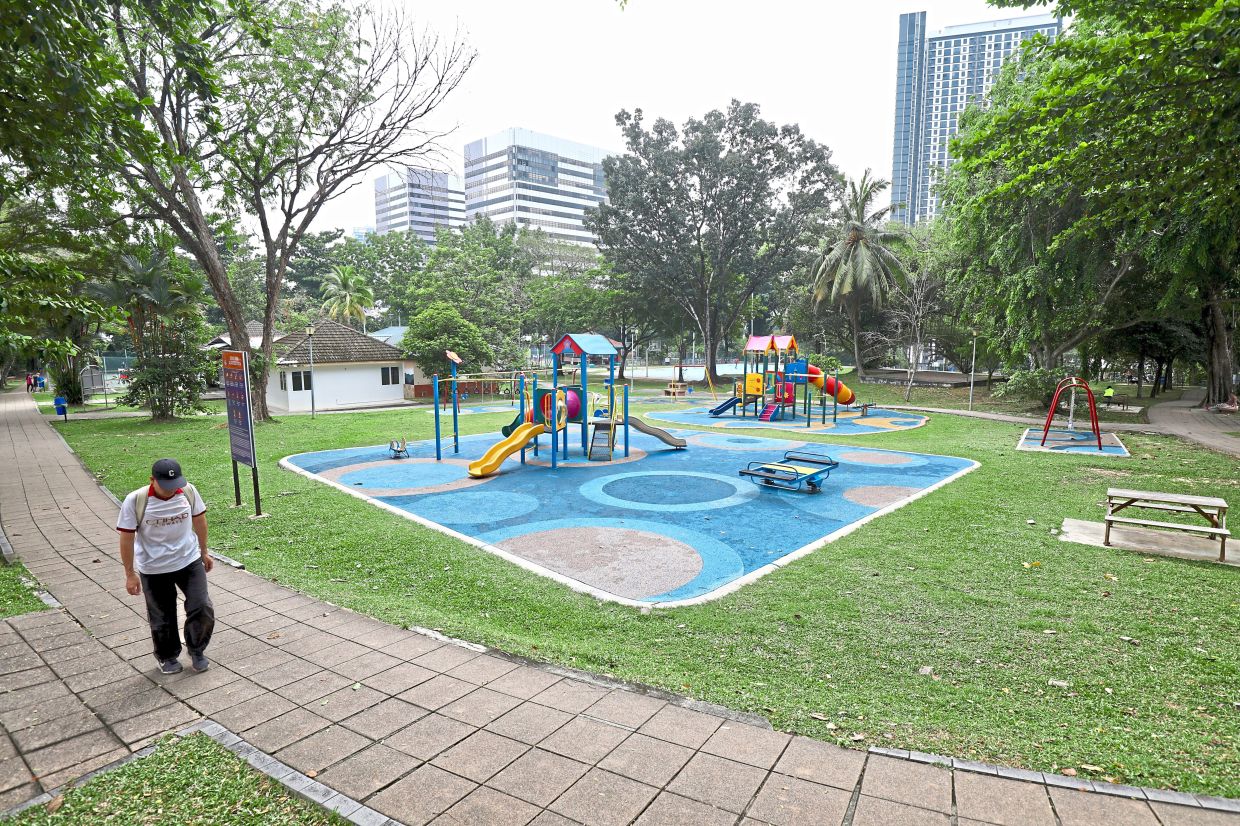

Residents say gazetted green spaces, like this Taman Desa field at Jalan Desa Ria, Taman Desa, should be maintained as a recreational site. — LEONG WAI YEE/The Star
A car showroom (on the right) in Jalan Kuching, Kuala Lumpur is built on land gazetted as a green lung. — IZZRAFIQ ALIAS/The Star
This green space, which previously had a restaurant business, has been reclaimed by DBKL. — SHALINI RAVINDRAN/The Star
Ali says if a piece of land is protected as a green lung, people expect it to remain a green lung.
Yee identified a green space, along Jalan Sultan Azlan Shah, that is being used as car showroom.
Tamilwanan says residents believe that a land, once gazetted as a green lung, remains protected.
Leong asks whether open spaces are being protected or merely retaining the label on paper.
Lot 55132 in Desa Sri Hartamas, Kuala Lumpur is a pedestrianised route shaded by trees. It is slated to be upgraded for access to improve waste collection and traffic flow. — LEW GUAN XI/The Star
Upon checking on green lungs in Jalan Kelang Lama, Low realised some have been rented out to third parties. — YAP CHEE HONG/ The Star
According to the MyHijau portal, this plot at Jalan Anggor, off Jalan Kelang Lama, Kuala Lumpur, though a green space, has been operating as a private carpark. — YAP CHEE HONG/The Star