Calm rooms, quiet hours, dim lighting provide welcoming environment for the neurodivergent
FOR many, a simple family outing requires little thought.
For families caring for children or adults with autism, however, it involves detailed planning, sensory considerations and the anxious hope that an environment will be welcoming rather than overwhelming.
Recognising this critical need, some local businesses are taking meaningful steps to become more inclusive.
From sensory-friendly facilities to specially trained staff, these establishments are making it easier for neurodivergent individuals and their caregivers to navigate public spaces with ease.
Inclusive malls
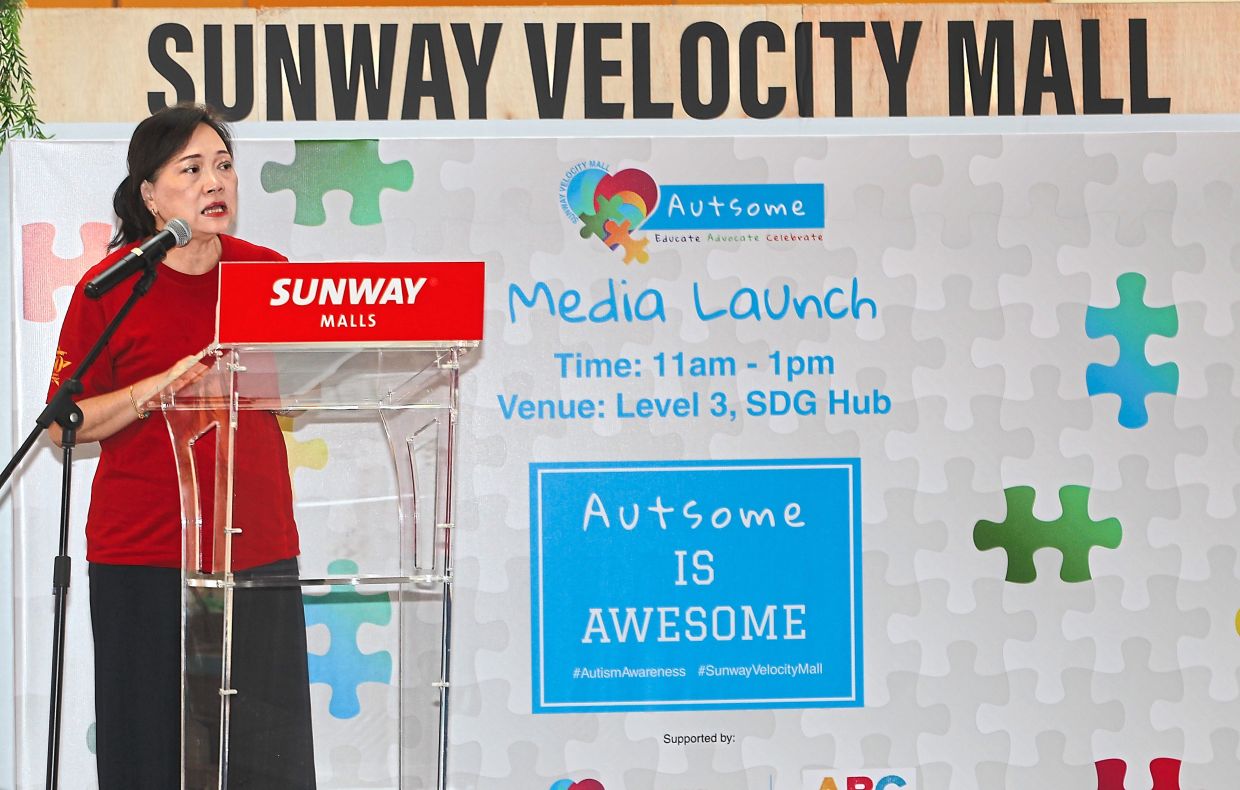
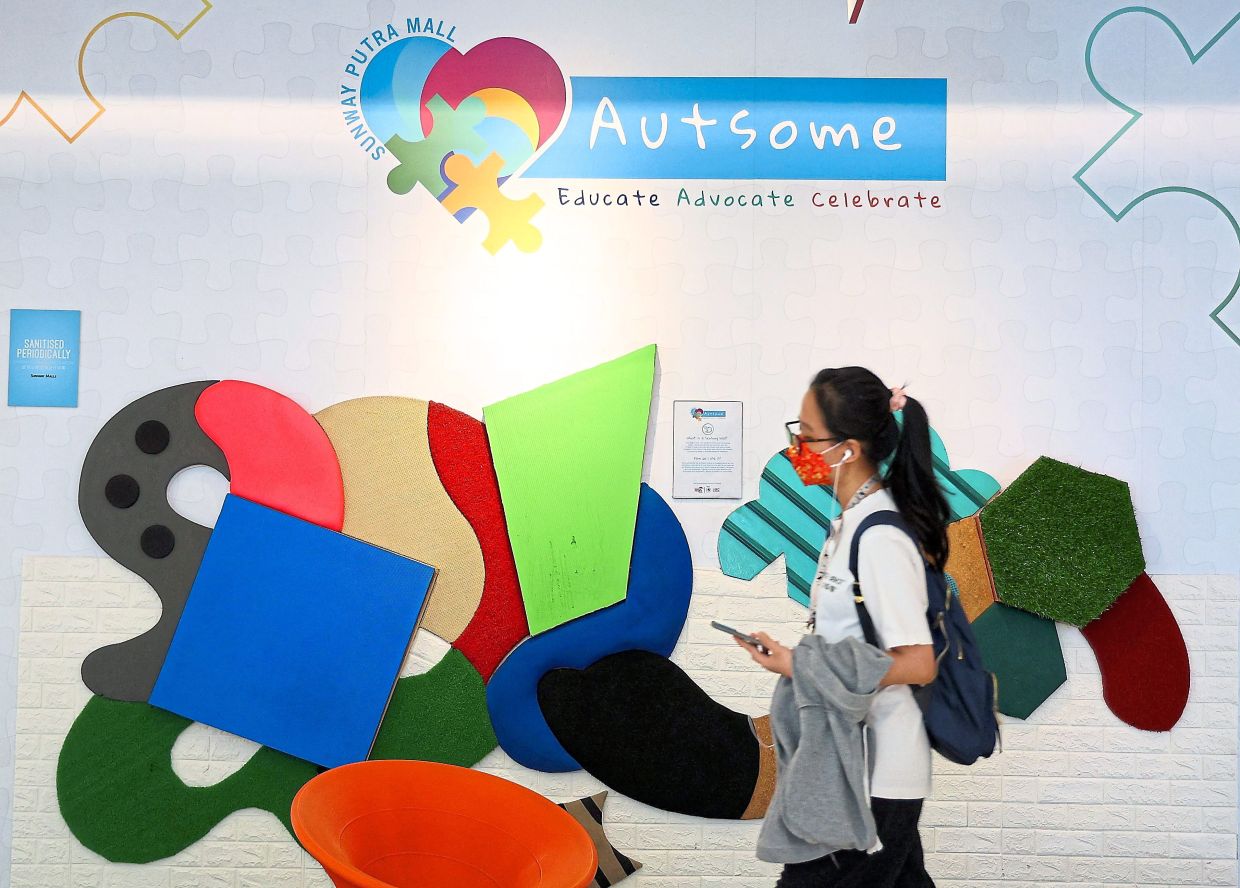
Sunway Putra Mall in Kuala Lumpur is leading the retail charge through its Autsome (Autism is Awesome) initiative dedicated to raising awareness while providing a safe, accommodating environment for individuals on the spectrum.
Sunway Malls Kuala Lumpur chief executive officer Phang Sau Lian said the initiative was sparked after learning about autistic children having sensory meltdowns in public without a safe space to retreat to.
Launched in February 2019, the programme has since expanded to Sunway Velocity Mall and Sunway Carnival Mall in Penang.
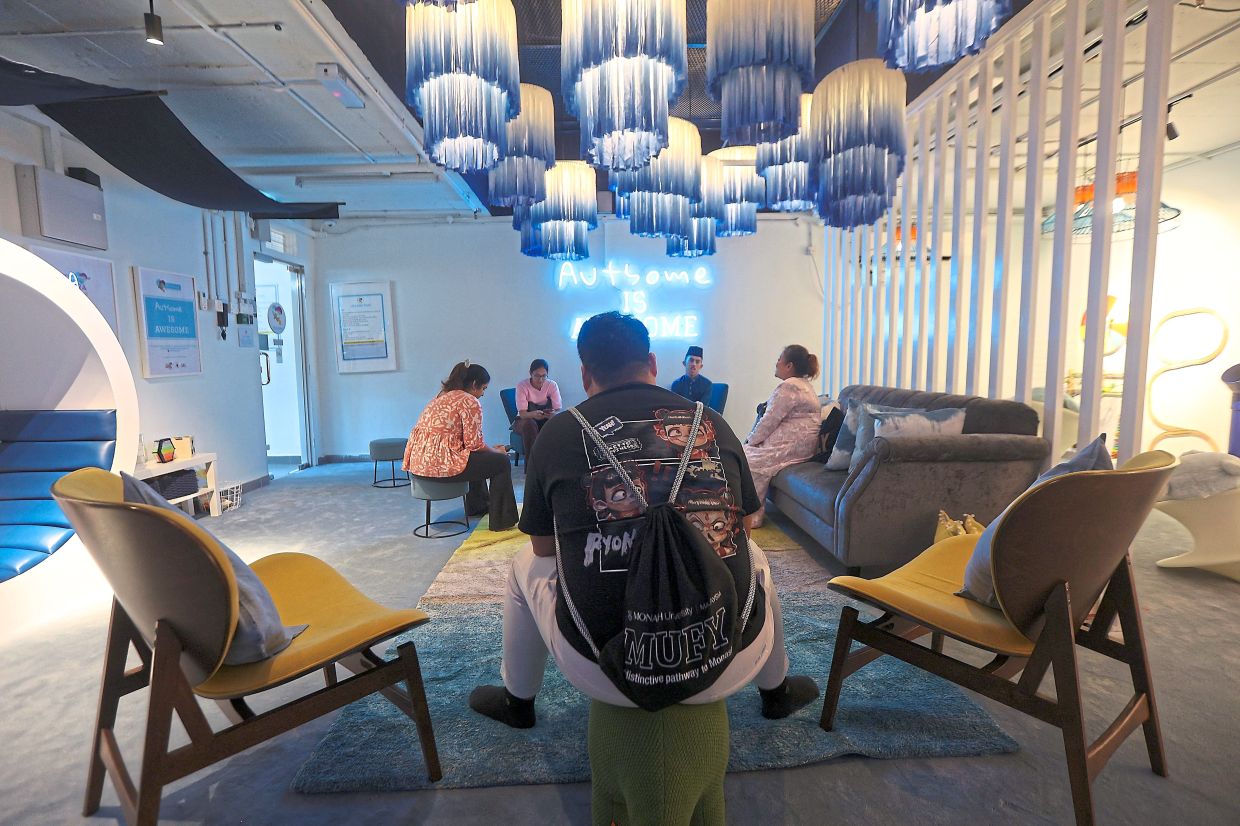
“Every Autsome member receives a wristband for easy recognition by staff, as well as a car sticker that allows access to reserved parking spots close to the lift lobbies on designated days,” Phang said.
To accommodate sensory sensitivity, the malls host a dedicated autism-friendly shopping day every Tuesday from 10am to 5pm, excluding public holidays.
“During this time, a calmer environment is created by dimming lights and softening background music in common areas.
“Participating tenants also extend special discounts and privileges to Autsome members, making the experience both comfortable and rewarding.”
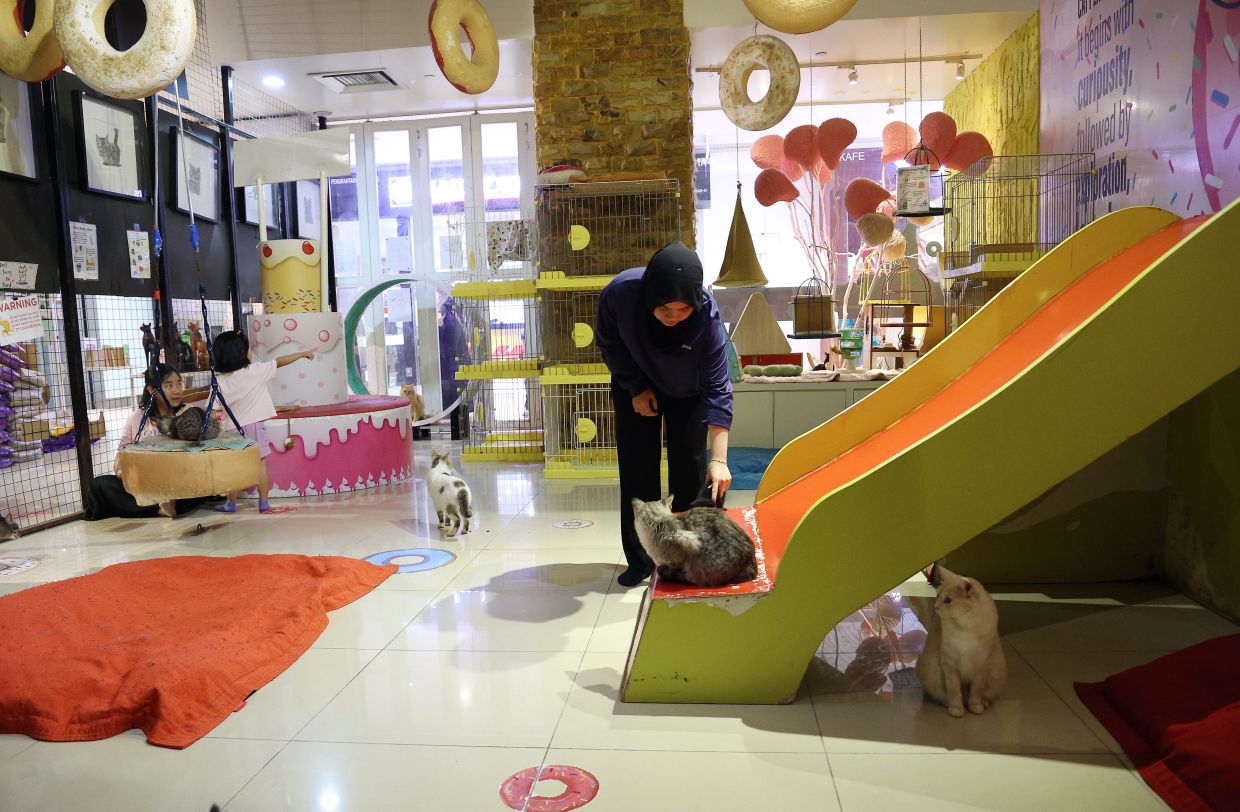
Members also receive newsletters updating them on special mall events, while at Sunway Putra Mall, they can enjoy free access to the Cat-Assisted Therapy Playground.
Lina Doll, 50, a regular at Sunway Putra Mall, shared that the venue has become her top choice when on an outing with her 19-year-old son Aliff Al-Azim Qusainy Abdullah.
“The mall is less crowded, spacious and has facilities that my son needs, which is very helpful for mothers like me.
“The calm room facility at the mall also helps him stay relaxed, and I am able to shop with ease,” she said.
Seamless travel
The push for sensory-friendly environments extends to some airports.
Both Kuala Lumpur International Airport (KLIA) Terminal 1 and Terminal 2 feature dedicated calm rooms and sensory spaces designed to ease travel anxiety.
Through Malaysia Airports’ “The Butterfly Effect” programme, passengers with hidden disabilities such as autism, attention deficit hyperactivity disorder (ADHD), anxiety or dementia can register online prior to their flight.
On travel day, passengers receive a care kit and specialised lanyard for easy identification by airport personnel.
Trained staff then guide them through to boarding via priority fast lanes.
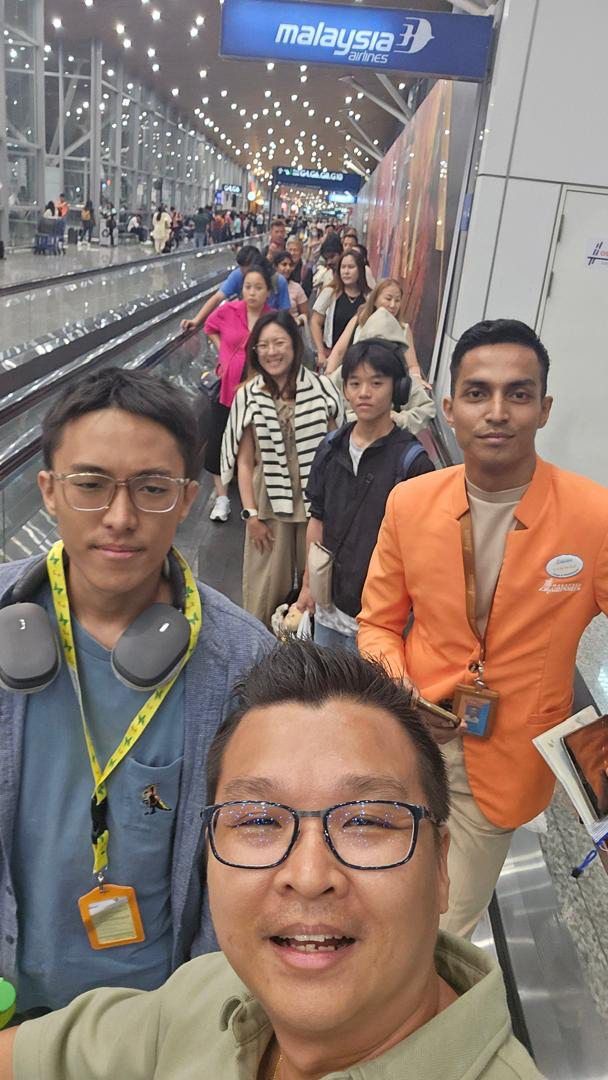
National Autism Society of Malaysia (Nasom) chairman Julian Wong experienced this service firsthand when travelling with his 16-year-old son Raelan.
“A staff member known as a Care Ambassador was assigned to take us through security checkpoints, immigration and right up to the boarding gate.
“Buggies were even provided to ferry us,” Julian said.
“Overall, it made movement within the airport seamless, and we received priority access throughout.”
He highly recommends expanding this framework.
“I would suggest Malaysia Airports expand this service to all airports it manages, and work with all airlines to allow priority boarding as well, so that a true end-to-end service is provided.”
The community would benefit immensely if similar services were introduced at bus and train stations, added Julian.
Sensory cinema
Entertainment spaces are also evolving.
Golden Screen Cinemas (GSC) offers dedicated sensory-friendly screenings on the second Sunday of every month at selected locations including IOI Damansara, Mid Valley Southkey Johor Baru, Kuantan City Mall and Ipoh Falim.
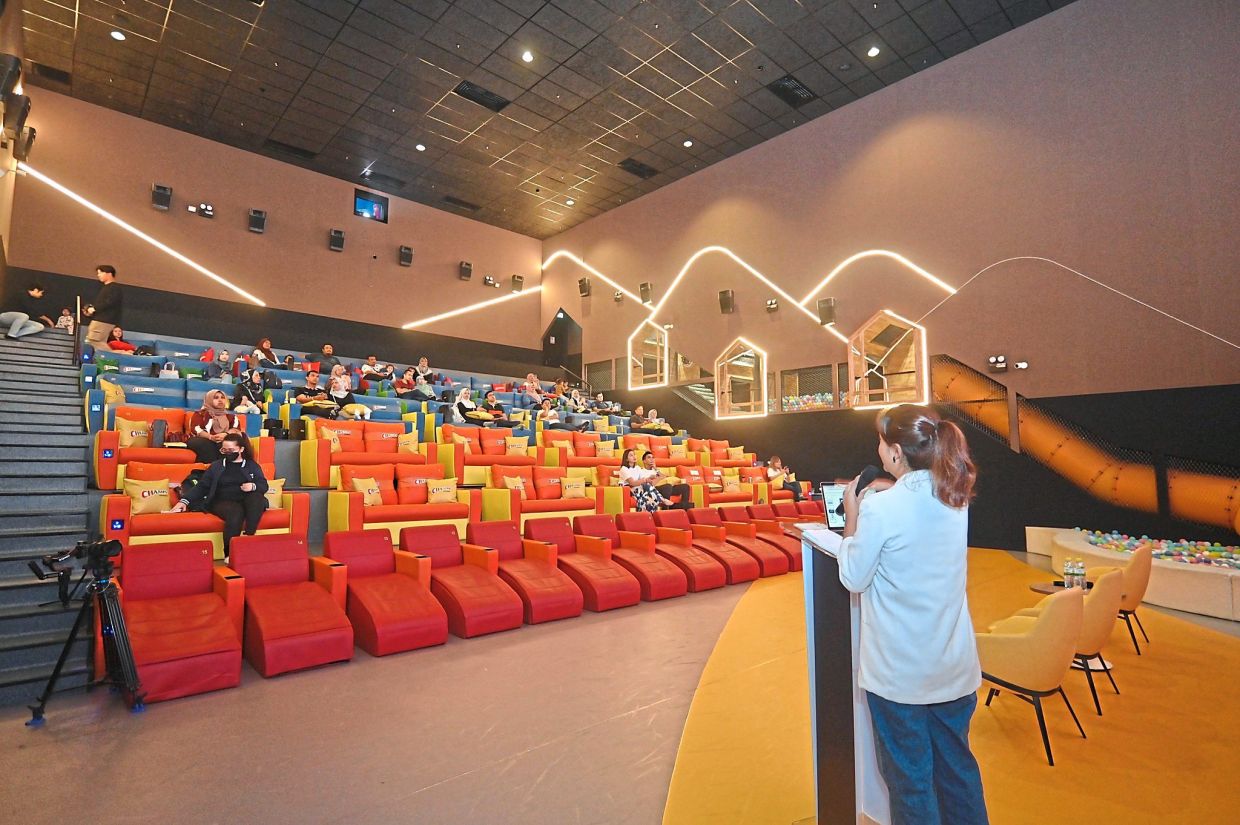
GSC corporate communication associate manager Kimberly Tan said such screenings are held in family-friendly GSC Play Halls, which are specifically modified to reduce anxiety.
“These halls are designed with dimmed lighting, reduced sound levels and no advertisements, creating a less overwhelming environment,” Tan said.
“Individuals on the autism spectrum and their caregivers are also allowed to bring their own snacks to suit their personal dietary preferences.
“GSC is committed to inclusivity, guided by the belief that everyone should have the opportunity to enjoy movies.”
Tan added that the films selected for these sessions are typically family-friendly animations that are not overly fast-paced or visually jarring.
Julian, who has attended these special screenings with Raelan, praised the thoughtful design of the children’s halls.
“In these halls, children are allowed to roam around, and there is even a mini playground.
“The seating is a mixture of cosy sofas and child-sized chairs,” added Julian.
“During the screening, the lights are dimmed rather than fully turned off, and the movie volume is significantly lower than normal, which is vital because many special needs children are highly sensitive to sound and darkness.”
Universal design
While these individual initiatives are a major step forward, experts argue that accessibility should be foundational rather than an afterthought.
Dr Mohamad Qayum Mohamad Sabri, a lecturer attached to Universiti Kebangsaan Malaysia’s (UKM) Centre for Healthy Ageing and Wellness Studies, believes the conversation surrounding autism-friendly facilities needs to shift.
“When we talk about autism-friendly facilities, the conversation can easily sound like we are asking for something special for one group only.
“But a better question is: How can public spaces become calmer, clearer, safer and easier for everyone to use?”

For individuals with autism, standard public spaces pose massive hurdles due to sensory overload from bright lights, loud noises, strong smells, crowded walkways and unpredictable queues.
“For many families, a simple trip to a mall, hospital, school, mosque, playground or government office requires careful planning,” Mohamad Qayum said.
“This is not because people are unwelcoming, but often because the environment is simply not designed with sensory and cognitive diversity in mind.”
The solution, he said, lies in embracing universal design principles – creating environments that inherently accommodate the maximum number of people without requiring retroactive modifications.
“A ramp does not only benefit wheelchair users.
“It also helps older persons, parents with strollers, delivery workers, pregnant women and people recovering from injury,” he said.
“The same principle applies to sensory-friendly design.
“It helps children, senior citizens and people battling anxiety, dementia, migraines or stress who just need a calmer environment.”
While Mohamad Qayum praised Malaysia’s current progress – applauding malls and airports implementing calm rooms and quiet hours – he stressed that the next phase of development must move beyond isolated and designated spaces.
“We need clearer wayfinding, quieter waiting areas, softer lighting, better crowd management, accessible toilets, predictable service counters and staff who know how to respond respectfully when someone becomes overwhelmed,” he noted.
Many of these improvements, he said, are low-cost if integrated early into the architectural planning stage.
Ultimately, designing for neurodiversity transforms public spaces from places of high anxiety to spaces of belonging.
“Inclusion begins when we make spaces more flexible and responsive to human diversity,” said Mohamad Qayum.
“Families should not feel compelled to avoid public spaces because of sensory overload, fear of judgement or a lack of support.
“Designing for neurodiversity is not charity; it is simply good public design.
“When we design for those who are most easily excluded, we improve the experience for everyone.”