Whether it is handmade kuih prepared in a sunlit village kitchen or the quiet of a seaside dusk, the state’s small towns are increasingly becoming a refuge for those seeking to escape city burnout for rural tranquillity.
Capitalising on this shift, Tourism Selangor is spearheading a drive to put these hidden gems on the map.
Its chief executive officer Chua Yee Ling said the allure of small-town tourism was the “experiential” escapade that placed heritage and culture at its heart.
“The charm of Selangor’s small towns lies in their unique suburban setting, traditional delights from ancestral recipes and genuine hospitality of the locals, which appeals to tourists.
“It also provides the modern traveller a more in-depth exploration of lesser-known places offering equally engaging experiences away from the city,” she said.
Chua said since the Covid-19 pandemic, there had been a marked shift in traveller behaviour, with many desiring to “slow down” and escape the frantic pace of modern life.
“Small-town tourism facilitates this by encouraging ‘staycations’ and multi-day visits, moving away from the traditional ‘stop-and-go’ sightseeing tours that often dominate the market.”
Boosting rural appeal
In January, state local government and tourism committee chairman Datuk Ng Suee Lim launched the inaugural Selangor New Village Fiesta in Pandamaran, Klang.
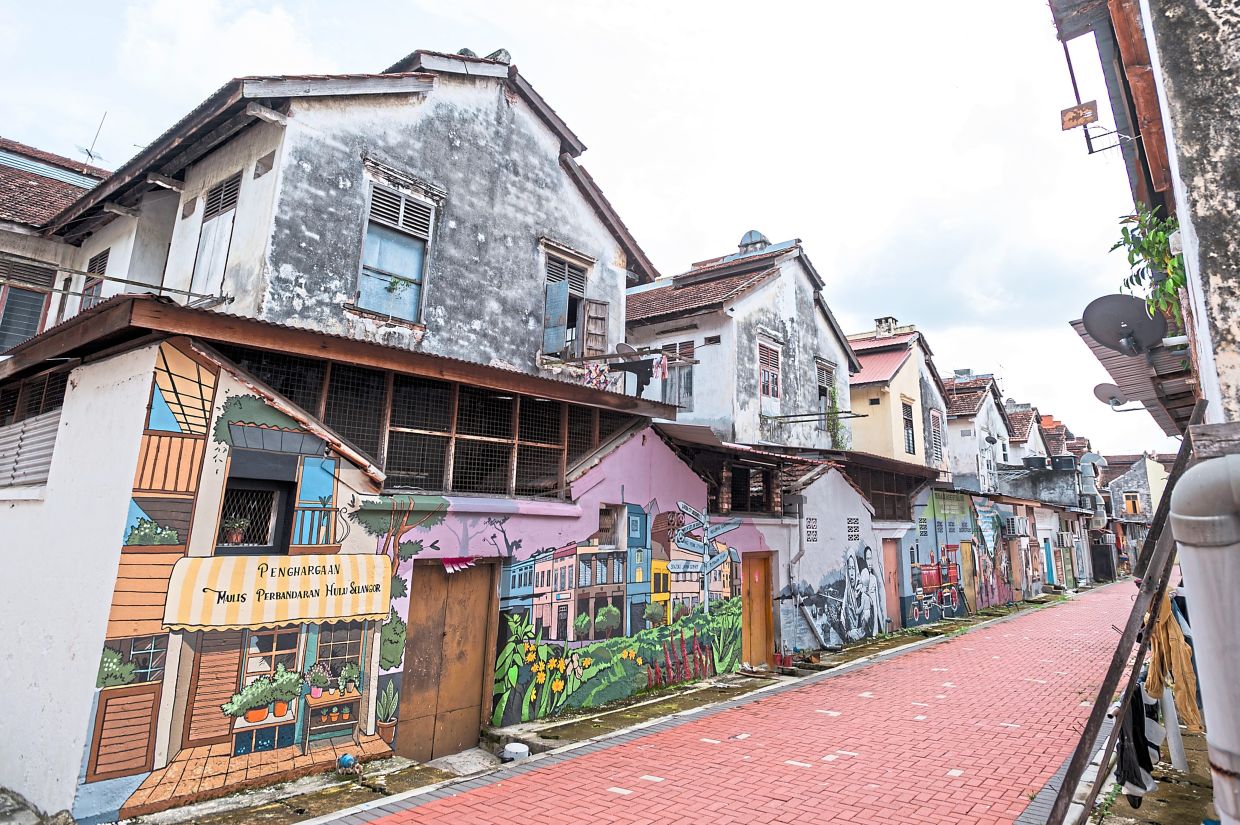
The event promoted the cultural heritage of 77 Selangor new villages while boosting community-based tourism and the local economy.
Chua said these locations aligned perfectly with the concept of leisure travel, where visitors could immerse themselves in an unhurried lifestyle.
“Tourism Selangor will develop more diverse packages and dedicate much more time to domestic tourism this year,
especially in light of the current international climate,” she said, noting that international travel faced increasing hurdles owing to global market shifts and instability.
Consequently, domestic small-town staycation packages have become vital for attracting tourists from across South-East Asia.

“To truly appreciate small towns, one needs to spend at least one night to experience the authentic kampung lifestyle,” Chua said.
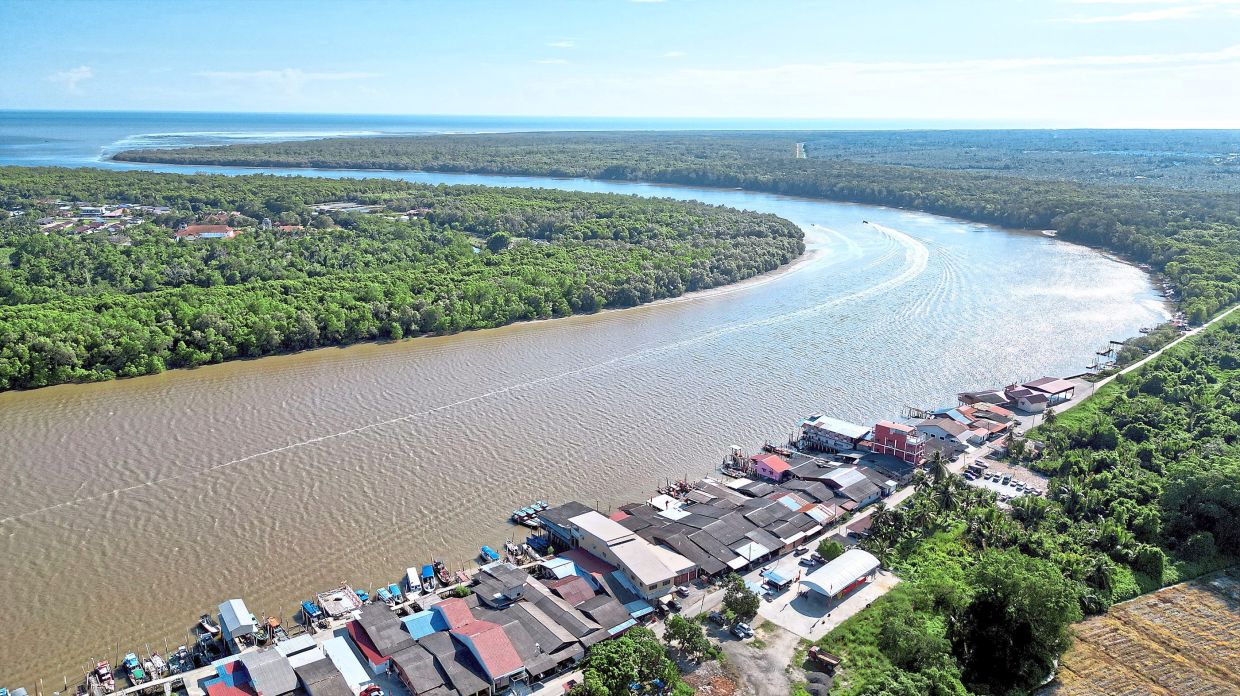
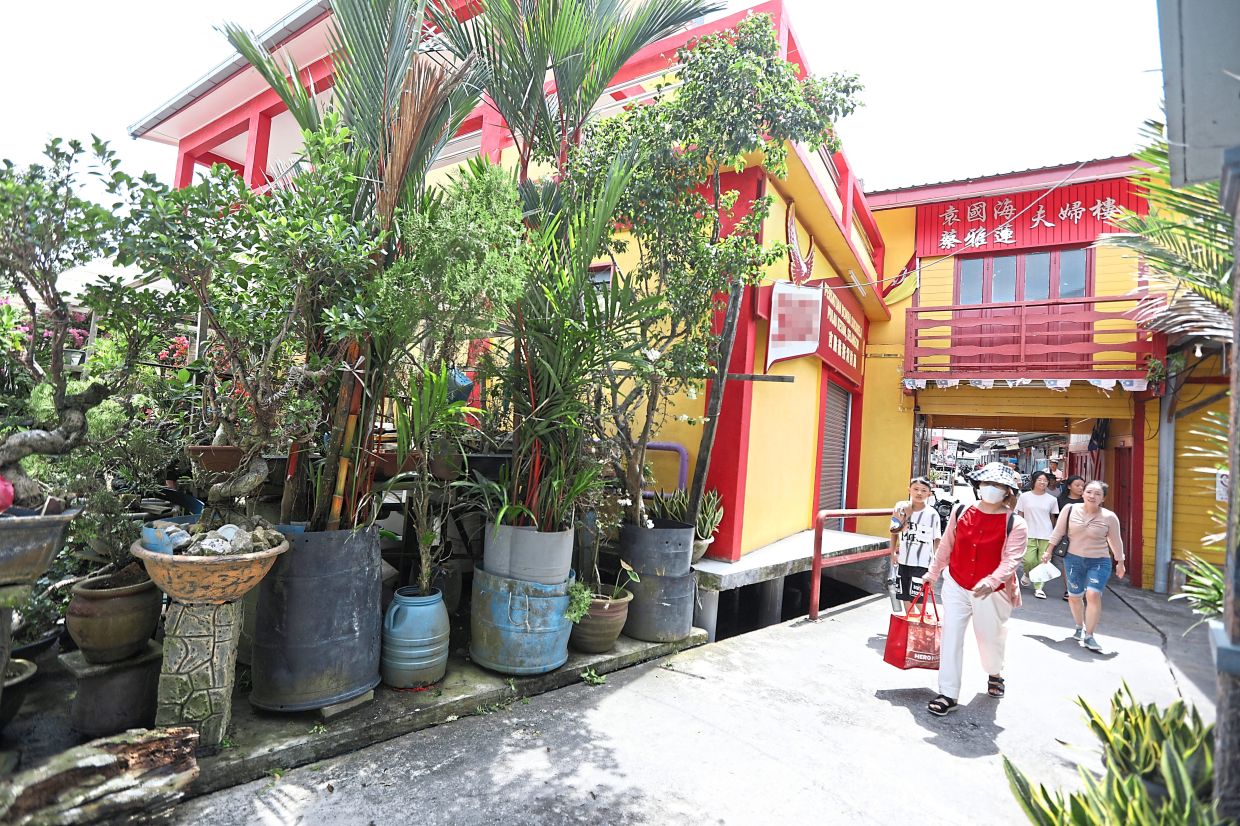
This immersive approach allows visitors to appreciate the specific character of each location, such as the coastal charm of Bagan Sungai Yu fishing village or Sekinchan’s iconic padi fields.
To support this ecosystem, the agency was training tour operators, guides and local host communities, she said.
“We help small businesses collaborate on multi-stop packages that encourage longer stays, such as two-day-one-night trips in these small-town destinations.”
In March, Tourism Selangor took this message to the global stage at the 60th Internationale Tourismus-Borse (ITB) Berlin in Germany.
ITB Berlin is the world’s largest tourism trade fair and attracted a total of 5,601 exhibitors from 166 countries.
Chua said Tourism Selangor booth showcased what small towns in the state had to offer.
International visitors, she added, were increasingly interested in these rural areas as part of a broader itinerary.
“Cruise passengers stopping at Port Klang for about eight hours can visit nearby new villages or Malay kampung and such tours are taking place now,” she said.
Uptick in tourist arrivals
The shift in interest is reflected in the state’s latest data.
Last year, Selangor recorded its highest tourist arrivals in five years with 8.42 million visitors, a 9% increase on 2024.
Domestic visitors accounted for over 68% of this figure, while international tourists made up the remaining 31.75%.
Notably, suburban councils have seen the most significant growth.
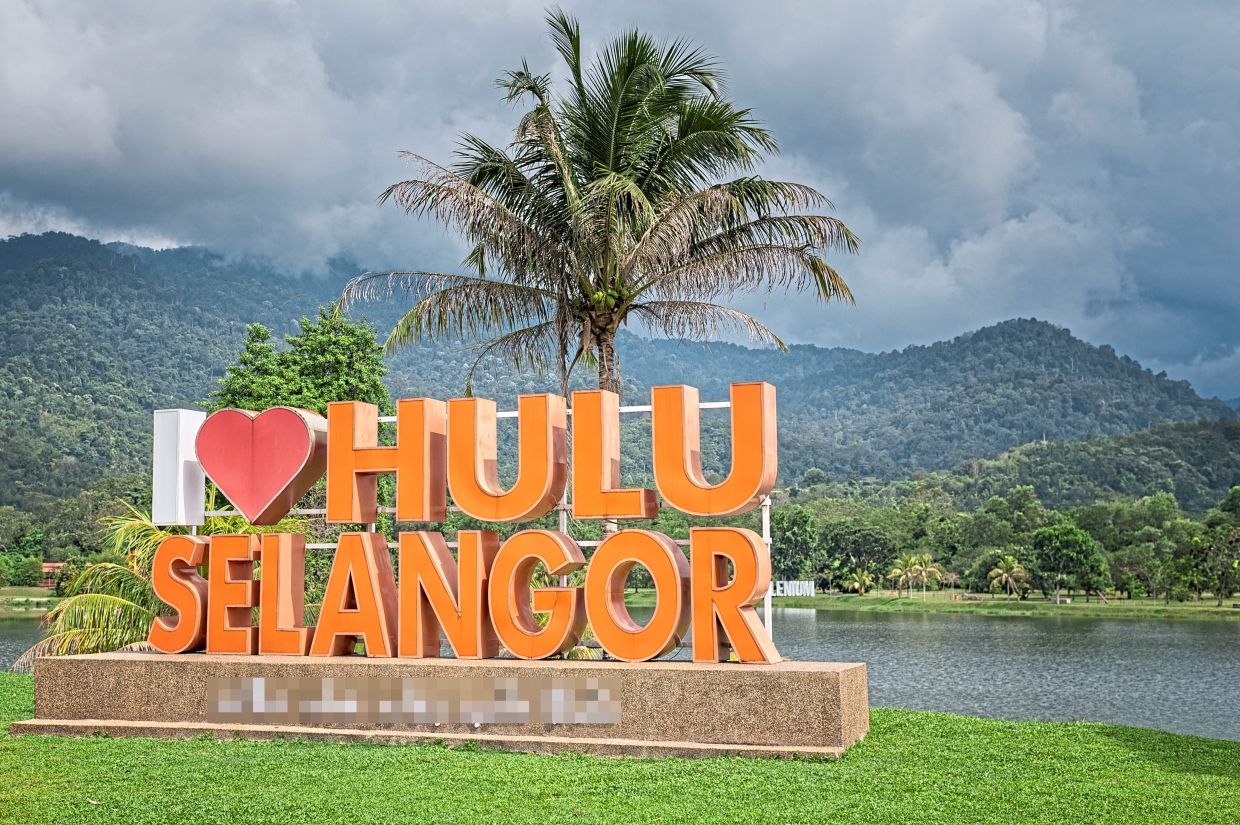
Hulu Selangor Municipal Council recorded a staggering 344.5% year-on-year increase in tourists, reaching over 209,000 visitors.
This surge is driven by
attractions such as Kuala Kubu Baru Urban Heritage Park and Serendah Waterfall, as well as outdoor activities like white-water rafting.
Ulu Yam, one of the oldest towns in the district, boasts many attractions such as Sungai Tua Recreational Forest, waterfalls, orchid farm, Batu Dam and the famous loh mee.
Sabak Bernam and Kuala Langat also saw substantial increases in visitors, rising by 74% and 88.9% respectively.
The recent Festival Sawah Padi Sekinchan 2026 further promoted this agenda, featuring a padi field marathon, food festival and cultural performances.
Selangor Mentri Besar Datuk Seri Amirudin Shari, who launched the event, said such festivals were key platforms for boosting the rural economy and promoting inclusive, sustainable tourism.
Chua believes the variety of settlements, from Chinese new villages to Orang Asli communities, provides a rich diversity of experiences.
“Fishing villages inherently possess the natural criteria for tourism due to their coastal scenery and fresh seafood,” she said.
In traditional new villages, different dialect groups and local temples serve as unique points of interest.
“For example, the rooster bowl in Pandamaran New Village highlights the community’s nostalgia and history,” she said.
“These might feel normal to locals, but paired with good storytelling, they can be interesting for foreign tourists.”
To enhance this, Chua encourages villages to establish their own museums and heritage galleries, citing the heritage centre in Kajang and Seri Setia New Village History Corridor in Petaling Jaya as successful models.

Accommodation options
However, a significant hurdle remains, namely the lack of diversified accommodation, specifically a shortage of high-end options to meet the demands of a globalised market.
“The lack of four- and five-star hotels in small towns forces high-spending tour groups to return to the city after a day of activities,” Chua said.
“While tourists from Japan and Europe often appreciate the authentic village stay experience, many international travellers still prefer high-end amenities and reliable safety standards for their overnight rest.
“This is a matter of preference; they may enjoy the countryside, but they require certain standards of luxury.”
To address this, Tourism Selangor is encouraging hotels with star ratings to invest in these emerging rural destinations to ensure the state can capture the full economic potential of its small-town charm.