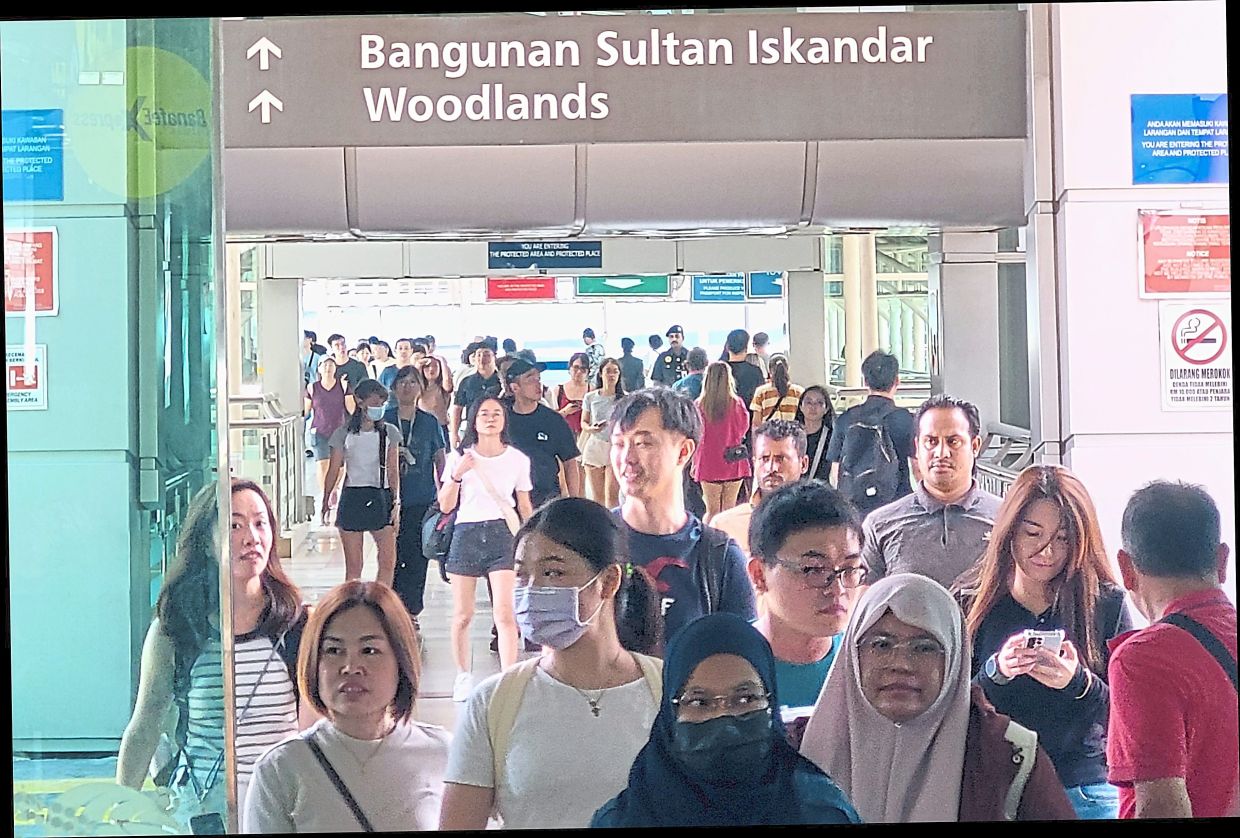
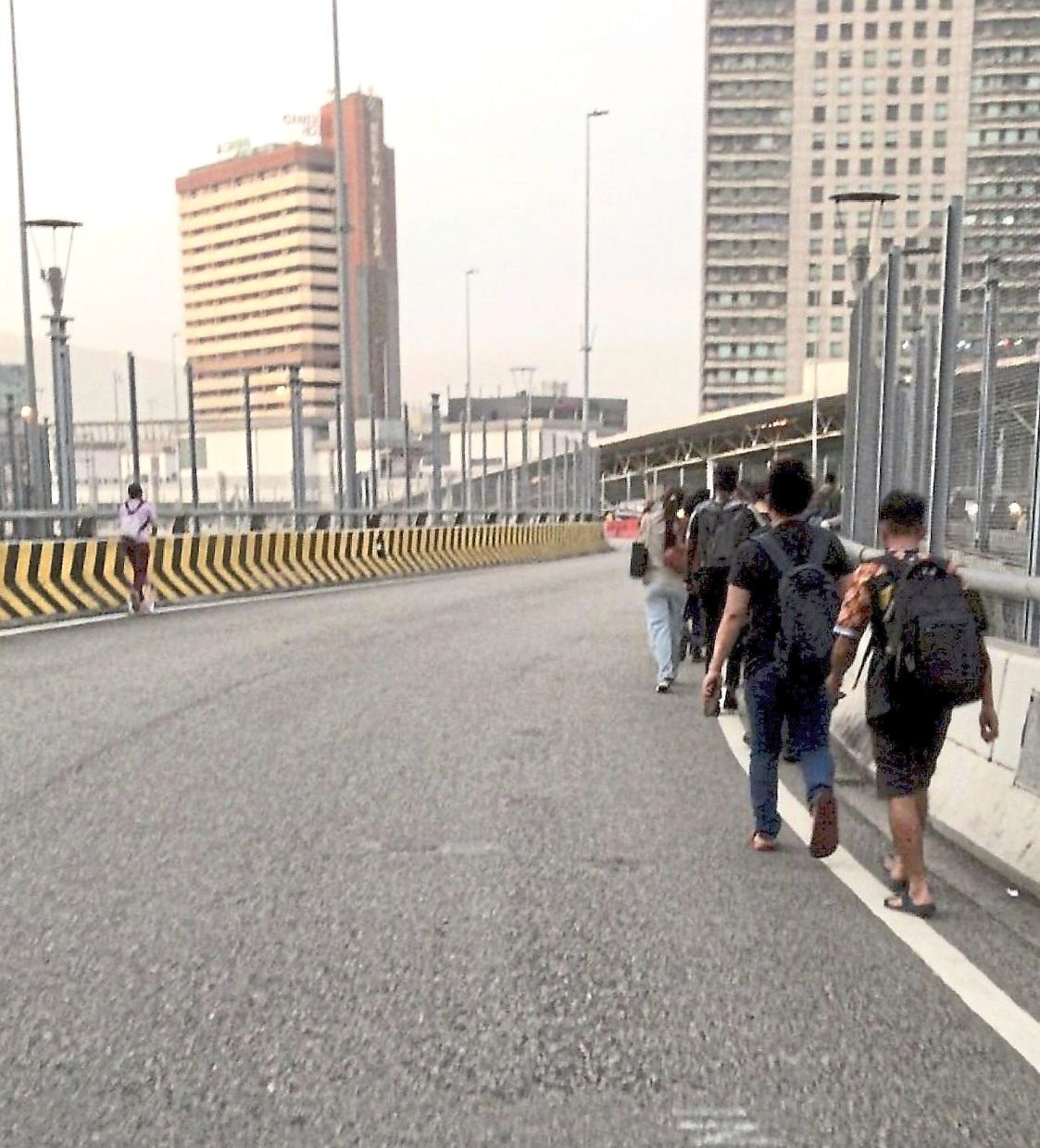
EVERY morning before the sun rises over the horizon, IT engineer C. Ravin begins his daily trek across the Causeway from Johor Baru to Singapore.
For the 35-year-old, the 20-minute walk is a tactical choice: It is the only way to claw back an hour of sleep and avoid the “bus lottery” that dictates life for thousands of cross-border commuters.
He is among thousands who do so during peak periods to beat the severe traffic jam.
But with the RM5.24bil Rapid Transit System (RTS) Link now entering its final, critical testing phase, Ravin and his fellow Johoreans are hopeful that the era of pre-dawn hikes and three-hour traffic crawls is finally nearing its end.
“Presently I walk across the Causeway every morning to get to work in Singapore because waiting for the bus can take at least an hour,” Ravin told StarMetro.
“Unless I wake up as early as 4am to reach Bangunan Sultan Iskandar Customs, Immigration and Quarantine (BSI CIQ) Complex before 6am, I will still face waiting times of up to 30 to 40 minutes.
“So I would rather get some extra sleep, arrive at 6.30am and walk across the Causeway, which takes about 15 to 20 minutes.
“It is manageable early in the morning, but gets tricky when it rains,” he added.
While Ravin’s return journey to Johor Baru is less rushed, allowing him to take a bus for S$2.60 (RM8.07), he stressed that affordability remains the primary concern for daily commuters.
“I hope the price of RTS Link tickets will not be too high compared to bus fares, otherwise people may stick to buses or like me, continue walking.”
He also called for a complete overhaul of traffic management near BSI CIQ and RTS Link’s Bukit Chagar Station, including designated lanes for buses, private vehicles and e-hailing services, as well as park-and-ride facilities to prevent local gridlock.
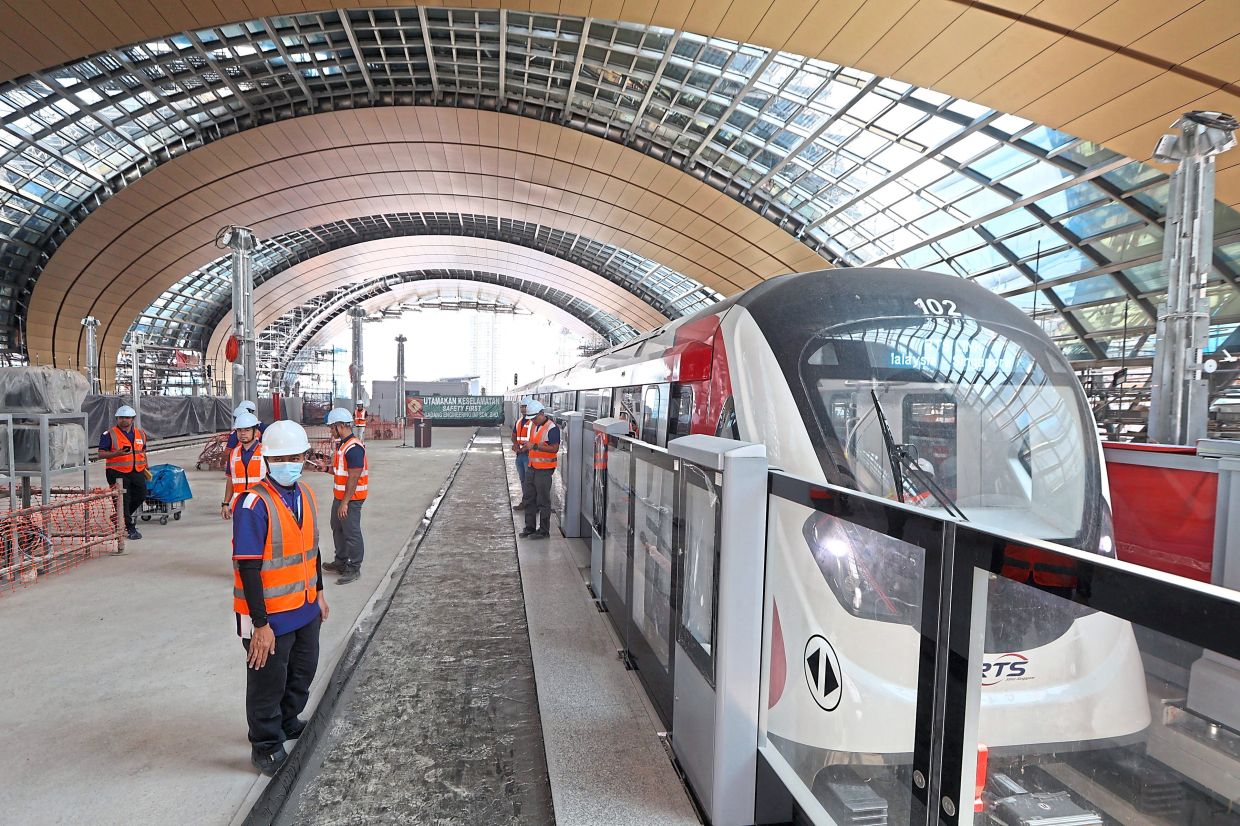
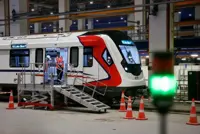
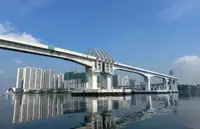
RTS Link, scheduled to begin operations on Jan 1, 2027, is a 4km shuttle service that connects Bukit Chagar in Johor Baru to Woodlands in Singapore.
Once opened, it is expected to fundamentally transform the commute for the 350,000 people who currently use the Causeway daily, making it one of the busiest border crossings in the world.
The system is designed to handle 10,000 passengers per hour in each direction, with a projected daily ridership of 40,000.
Dealing with gridlock
For 24-year-old marketing executive Mohamad Khairul Anuar Kassim, RTS Link offers a more practical escape from the congestion that currently
To avoid the worst of the morning rush hour, Khairul ensures he is at BSI CIQ before 6am every day.
“I plan to use RTS Link when it starts operating because it sounds easier and saves time, especially to avoid heavy traffic in the morning,” he said.
“It can get very congested at peak hours and when that happens, travelling time across the border may stretch up to three hours for me to reach home after work.”
Khairul suggested that a one-way fare of roughly RM5 would be the ideal price point for daily users.
“Affordability would be crucial in encouraging widespread use,” he said, suggesting that the government could even introduce subsidies for Malaysian workers through a differentiated payment system.
Secretary Tan Wai Li, 54, whose husband works in Singapore as a land surveyor, observed that even off-peak travel was becoming a struggle as bus services grew increasingly crowded.
Her husband stays in Singapore during the week and returns to Johor Baru on Friday nights.
“Previously, when he took the bus at 9pm, it was not crowded.
“These days, even at 9pm or 10pm, it is packed,” she said, attributing the shortage of available buses partly to rising diesel costs.
Tan expressed optimism
that RTS Link’s co-located Immigration facility, which allows passengers to clear both Malaysian and Singaporean checks at a single point, will be a game-changer.
“Oftentimes, congestion happens because of delays at Immigration.
“If the process is smoother, it can reduce bottlenecks.”
However, she cautioned that the arrival of thousands of passengers in Johor Baru must be managed carefully.
“There should be better connectivity to transport hubs like Larkin Sentral, along with sufficient shuttle buses, so people are encouraged to use public transport instead of relying on e-hailing services, which can clog up the area,” she highlighted.
Traffic improvements
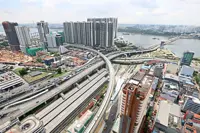
Recognising these logistical challenges, the authorities are working to improve the transport infrastructure in and around the new Bukit Chagar Station and Immigration, Customs and Quarantine (ICQ) Complex, where RTS Link starts.
During a visit to the project site on April 3, Transport Minister Anthony Loke said the Federal Government was committing significant funds to ensure RTS Link was supported by a robust public transport network.
Loke detailed that this investment included integrated traffic improvements along major arteries such as Jalan Tebrau and Jalan Tun Abdul Razak, alongside construction of elevated flyovers to provide direct access to the Bukit Chagar complex.
“Additional access routes are also being developed via Jalan Jim Quee and Jalan Tunku Azizah, with all upgrades expected to be completed by November,” he said, according to news reports.
Furthermore, Loke announced that efforts were underway to strengthen first- and last-mile connectivity, which included deployment of over 250 additional buses under the Stage Bus Service Transformation programme.
A new pedestrian link from JB Sentral to Bukit Chagar will also be established to provide direct connections to KTM Komuter and ETS services, helping to disperse the flow of passengers across the city.
In an additional effort to bleed off road congestion, he said the existing cargo rail line from Kempas Baru to Pasir Gudang was being upgraded for passenger services, with operations expected to begin by mid-2026.
Regarding the all-important ticket prices, Loke said the fares would only be announced later this year following a formal agreement between the Malaysian and Singaporean governments.
“The operator, RTS Operations Pte Ltd, will present the proposed rates in the third quarter for approval by Malaysia’s Land Public Transport Agency and Singapore’s land transport authority,” he had said.