
DINERS in Johor may soon find themselves paying more for their meals as local eateries begin to feel the financial strain triggered by escalating conflict in the Middle East.
Restaurant and stall operators have warned that price increases are likely in the coming weeks if rising operational costs, driven by global instability, continue to mount.
R. Janaki, 42, who operates a traditional Indian breakfast stall in Kulai, said she may be forced to raise prices slightly to remain viable.
“We have held our prices for now as we can still manage, despite the initial financial pressure from the conflict,” she said.
Currently, the most noticeable hike has been in the cost of plastic products, while raw ingredients have remained relatively stable, she said.

“However, we anticipate costs will climb and an eventual price adjustment will be necessary for us to survive.”
Beyond the rising cost of supplies, Janaki said eateries were being hit by changes to fuel costs.
“The reduction of the RON95 subsidy to a 200-litre limit has significantly impacted us.
“We are now spending more on additional fuel, which adds to our overheads,” she said.
“We haven’t restocked our groceries in the past week, so we are waiting to see the full extent of the increases.
“We will monitor the situation closely before deciding on any price changes,” she said.
Phua Kai Hoo, 39, who manages five restaurants across Kulai and Johor Baru, believes a price revision is inevitable.
“We haven’t moved on prices yet because grocery costs are largely unchanged, with the exception of plastic, seafood and cooking oil,” he said.
“However, I believe there is no escaping it; sooner or later, we will have no choice but to adjust our prices on the menu.
“Any increase is unlikely to be substantial – perhaps just a few sen – as we must ensure we don’t alienate customers.
“We expect these changes to become more apparent by May.”
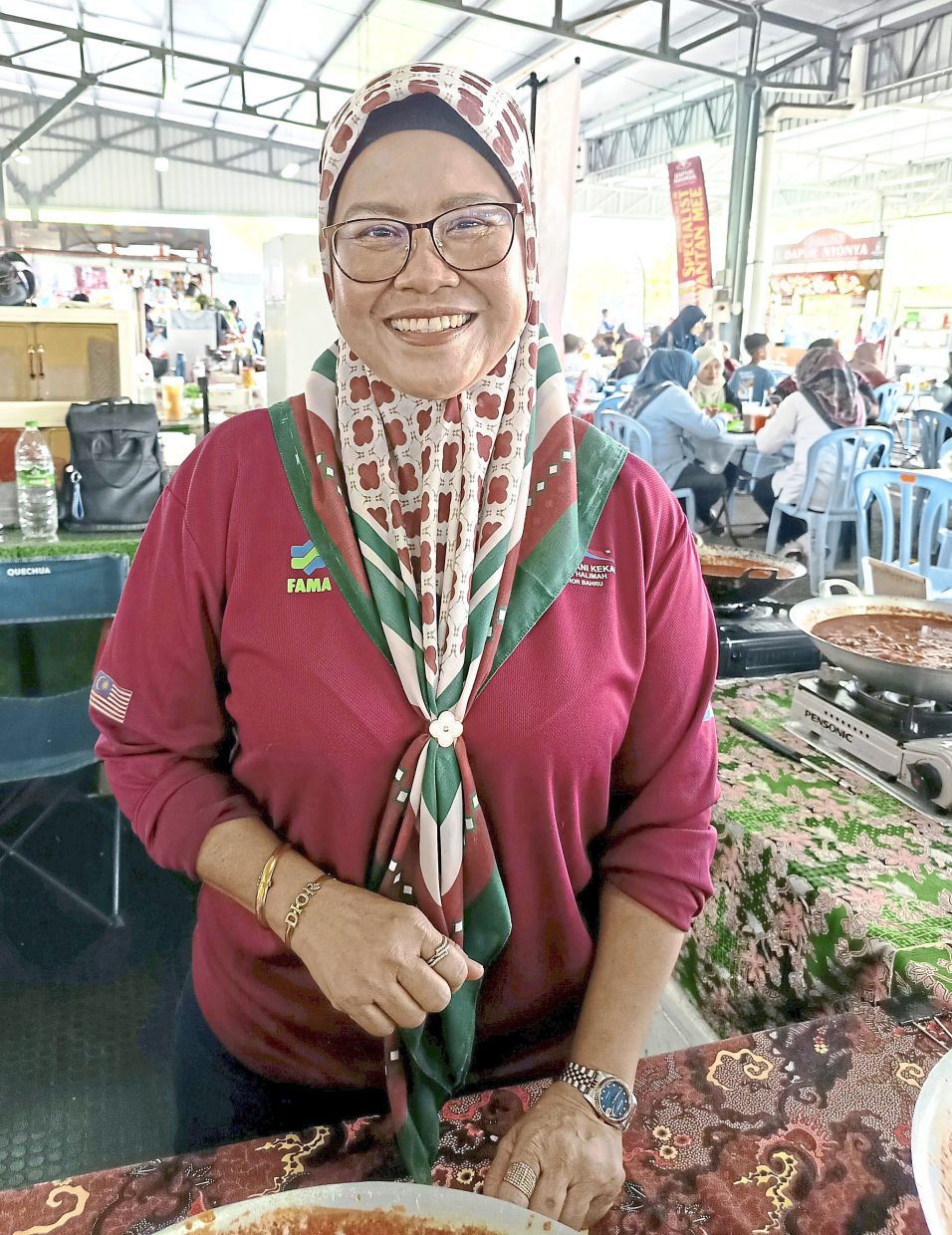
In contrast, Wan Noraidah Wan Mohamed, 53, who runs an asam pedas stall, intends to explore alternatives before asking customers to pay more.
She said increasing prices would be the last resort.
“I will explore other avenues first, such as reducing portion sizes for the same price or switching to more affordable ingredients, like using Grade C eggs instead of Grade B.
“Currently, the raw ingredients I require haven’t been affected, but my approach will depend entirely on how the situation escalates over the coming weeks,” she added.

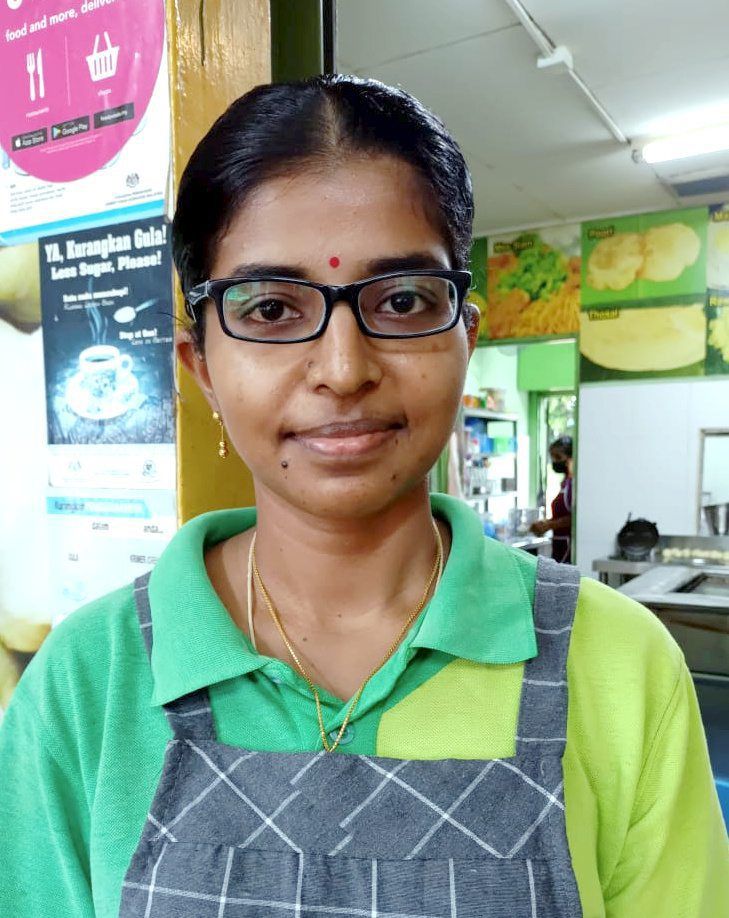
Janaki says eateries are being hit by reduction of RON95 subsidy to 200 litres.
Phua: Sooner or later, we will have no choice but to adjust menu prices.
Wan Noraidah looking at other options instead of raising prices at her stall.