



FOR many of the older generation, Beach Street in George Town, Penang, represents lived history – a landscape of banking houses, colonial architecture and the steady hum of trade from decades ago.
As such, when plans were announced for one of the city’s oldest roads to undergo a major facelift, some voiced concerns that the changes might make the street look “generic” or overly commercialised, losing much of the street’s original character.
Former law journal distributor M. Ganesamoorthy, 72, who spent years working in the area, admitted to initial scepticism.
He recalled a night drive with his wife in February when she commented about the “sparkling” new look of the roads.
“She asked why the council was wasting money on aesthetics. This prompted me to do some checking and I read about the council’s effort to upgrade heritage roads into a cooler, greener, pedestrian-friendly zone,” he said.
This initiative, part of the Nature-Based Climate Adaptation Programme (PNBCAP), has since won his support.
Ganesamoorthy welcomed plans for a facelift as long as it respects the soul of Beach Street.
“With the climate getting hotter, this state government initiative could not have come at a better time.
“Having more pedestrian zones it will encourage walking culture and improve tourism in heritage areas.
“Fewer cars on the road also means less congestion and cleaner air.
“Penang can become a model for other Malaysian cities,” he said.
Research officer Yong Chek Yoon, 68, is encouraged by the shift toward clean energy but hoped for practical comforts.
“I welcome the widening of walkways and hope these paths will be adequately shaded.
“It would also be beneficial for the walkways to be well lit at night and equipped with closed-circuit television (CCTV) to enhance public safety.
“Solar panels could be installed on the roofs of these walkways to further support sustainable energy,” he said.
Yong also suggested the use of white road surfacing, which absorbs less heat than conventional black asphalt, to mitigate the urban heat island effect that often affects highly developed areas with limited tree cover.
Lawyer Cheah Eng Soon, 45, who used to work at a legal firm in Beach Street, said the project addressed the “intense heat” that made the city uncomfortable for urban folk.
“I used to ride a motorcycle years ago and in the afternoons, it can be especially uncomfortable. The lack of shade also discourages people from walking.
“Introducing more trees, even within space constraints, would significantly improve the environment and enhance the appeal for tourists,” he added.
He felt that increased greenery could reduce heat and provide much-needed shade, creating a more comfortable walkable atmosphere.
Beach Street, once a key waterfront trade route and now the city’s financial hub, is set for a major cooling and pedestrianised makeover.
The RM24.7mil pilot project covers a 1.76km loop, including Beach Street, Church Street Ghaut and Victoria Street.
Jointly funded by Penang Island City Council (MBPP) and the World Bank Adaptation Fund, the project began on Sept 1 last year and is scheduled for completion by Dec 31 this year.
Penang infrastructure, transport and digital committee chairman Zairil Khir Johari said the project reached 30% physical completion as of March 30 and was progressing on schedule.
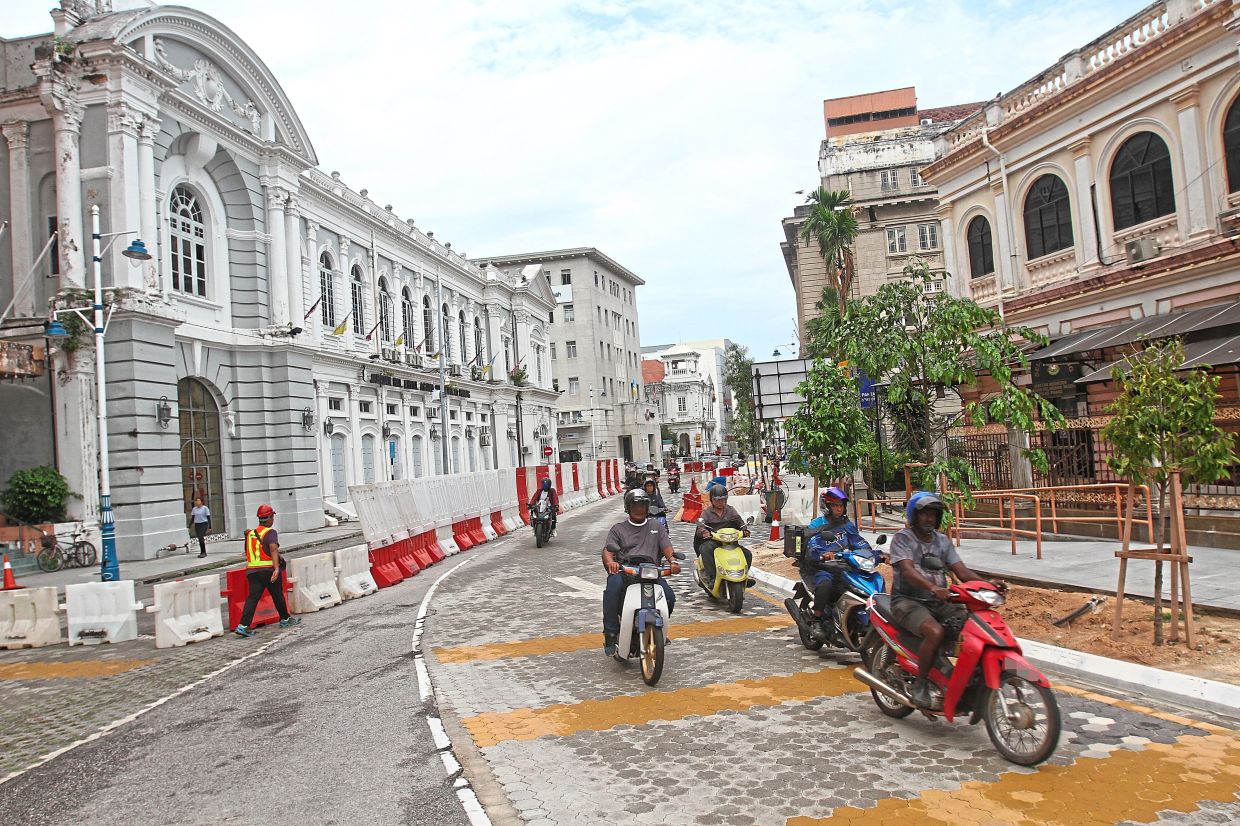
“By carrying out works in stages, introducing temporary diversions and coordinating closely with stakeholders, residents and businesses, the project has kept roads accessible and traffic moving,” he said.
He noted that implementing the project in phases had helped minimise traffic disruptions and maintain business activity.
“The Penang government hopes all parties, especially road users and residents, will cooperate and support the project to ensure smooth execution and long-term benefits for the city,” said Zairil.
He said ongoing measures, including adjusted work schedules and traffic management would remain in place to minimise disruption throughout the construction period.
“The current one-way system on Beach Street will be extended to Church Street Ghaut, while designated drop-off areas will ensure businesses remain accessible,” he added.
Zairil said stakeholder concerns about road closures had been addressed through ongoing engagement and adjustments.
“By integrating ecological enhancements with practical urban design, the project tackles current environmental challenges and builds the city’s long-term ability to adapt to climate impacts,” he said.
Zairil said under PNBCAP, the projects were part of a coordinated effort to enhance urban resilience across the state.

“In Beach Street, improvements such as expanded greenery, pedestrian-friendly infrastructure and better stormwater management are designed to work together to reduce flood risks, mitigate urban heat and improve environmental quality.
“PNBCAP also stresses long-term sustainability, cross-agency coordination and community benefits, ensuring projects not only meet immediate needs but also prepare the city for future climate challenges,” he said.
Penang island mayor Datuk
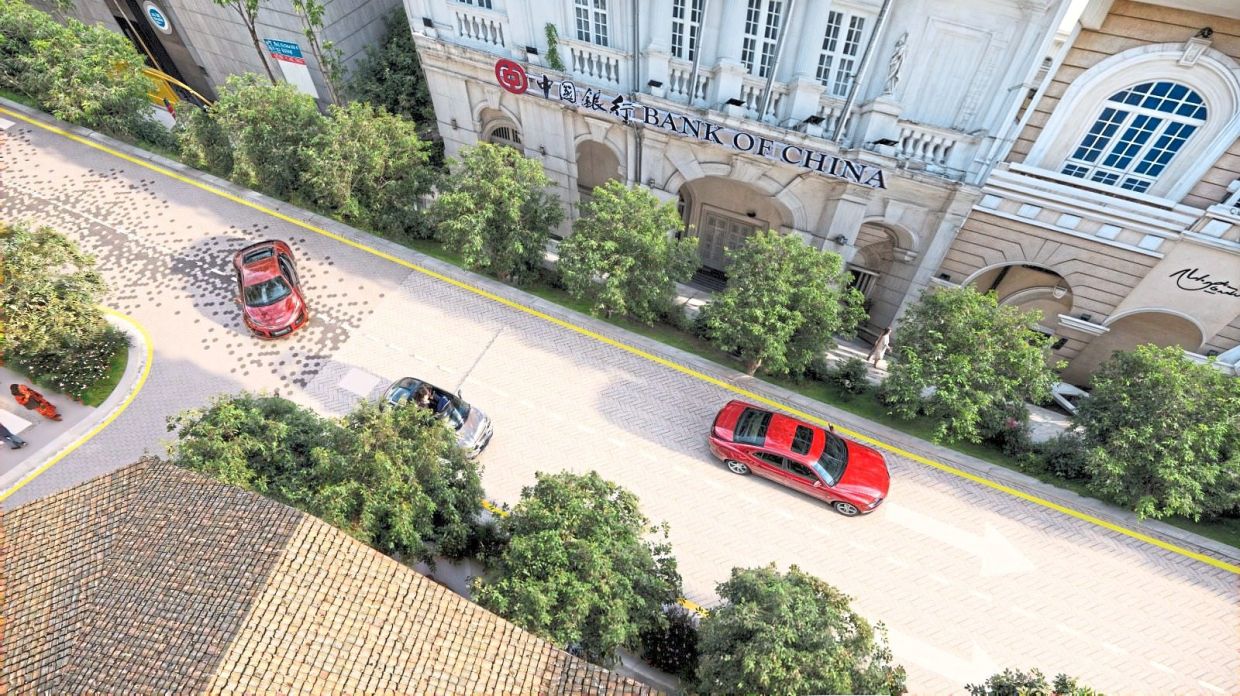
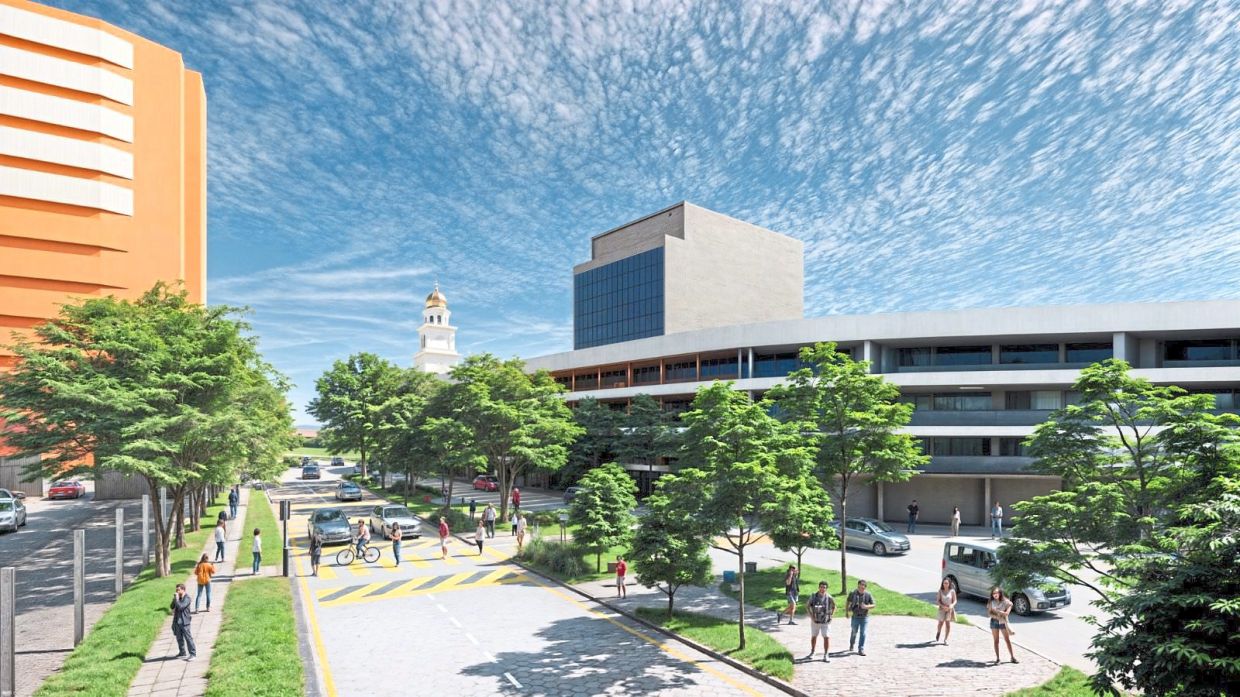
A. Rajendran said the facelift included trees lining streets, green corridors, pocket parks and permeable surfaces – material that allows stormwater to flow through pavement to reduce flash floods risks and cool the ground through evaporation.
He said more than 900 trees would be planted to provide shade, improve air quality and cool the surroundings.
He added that roadside parking within the loop would be reduced from 293 bays to about 150.

“Some parking spaces will be turned into green areas, using grass grid surfaces to absorb rainwater and reduce runoff.
“These improvements will not only lower temperatures but also create a more sustainable environment,” said Rajendran.
He stressed that the project balanced modern upgrades with heritage preservation, with strict safeguards for structures such as the Queen Victoria Memorial Clock Tower.
The former roundabout in front of the clock tower will also be turned into a pocket park, in line with the George Town Unesco World Heritage Site Special Area Plan.
Rajendran said the council would use sensors to monitor temperature, humidity and air quality to track the effectiveness of tree planting, green corridors and reflective surfaces.
He added that clean energy features, including solar-powered street lights would be regularly checked and their energy use monitored to assess their contribution to sustainability.
“Post-completion monitoring will also be carried out to evaluate environmental, social and economic outcomes, including urban heat reduction, pedestrian activity, greenery growth and community satisfaction.
“These findings will guide future climate-adaptive street upgrades,” he said.
Rajendran said the initiative could be replicated in other areas, with future locations to be selected based on traffic flow, pedestrian volume, urban heat levels and heritage sensitivity.
The project, he said, also aimed to support local businesses by improving accessibility, enhancing streetscapes, providing designated loading and drop-off zones, and installing clear signage to attract more visitors.
Rajendran said accessibility and inclusivity were also key priorities, with barrier-free walkways, ramps, tactile paving and seating areas incorporated to cater to the elderly, people with mobility challenges and families with strollers.
Works are currently ongoing in areas including Lebuh Victoria, Lebuh Downing, Pesara King Edward and around the Queen Victoria Memorial Clock Tower, with some sections nearing completion.
MBPP councillor Foo Yu Keong said the initiative marked a significant step forward in strengthening urban resilience while preserving the unique character of George Town as a Unesco World Heritage Site.
“The project’s emphasis on pedestrian-friendly infrastructure and nature-based solutions will greatly enhance mobility, safety and environmental sustainability within the heritage core zone.
“This is not just about upgrading roads, but about improving quality of life.
“The positive impact will be felt by all Penang folk – from safer walkways to enhanced climate resilience that protects our city for future generations,” he said.
Foo said collaboration between government agencies, professional bodies and the people of Penang remained key to ensuring the success of such initiatives.
He noted that these efforts contribute to positioning George Town alongside global cities such as Copenhagen in Denmark, Zurich (Switzerland) and Melbourne (Australia) in terms of liveability and sustainability.
“The state’s commitment towards becoming an age-friendly city by 2030, along with integrated urban planning, improved public spaces and strengthened social support systems, will significantly benefit senior citizens.
“With continued dedication and collective effort, we can build a greener, more inclusive, and liveable city that we are all proud to call home,” he added.




Walkways along Lebuh Downing being expanded to make it more pedestrian-friendly with new trees lining the street. — LIM BENG TATT/The Star
An artist’s impressions of Beach Street after the project is completed and the upgraded Pesara King Edward.
Ganesamoorthy welcomes plans for a facelift as long as it respects the soul of Beach Street.
Yong suggests installing solar panels on the roofs of these walkways.
Cheah says the project addresses the ‘intense heat’ that makes the city uncomfortable for urban folk.
Rajendran says the initiative can be replicated in other areas.
Zairil says the project is on schedule and 30% completed as of March 30.
Foo: The project is not just about upgrading roads, but also improving quality of life.
Pesara King Edward.
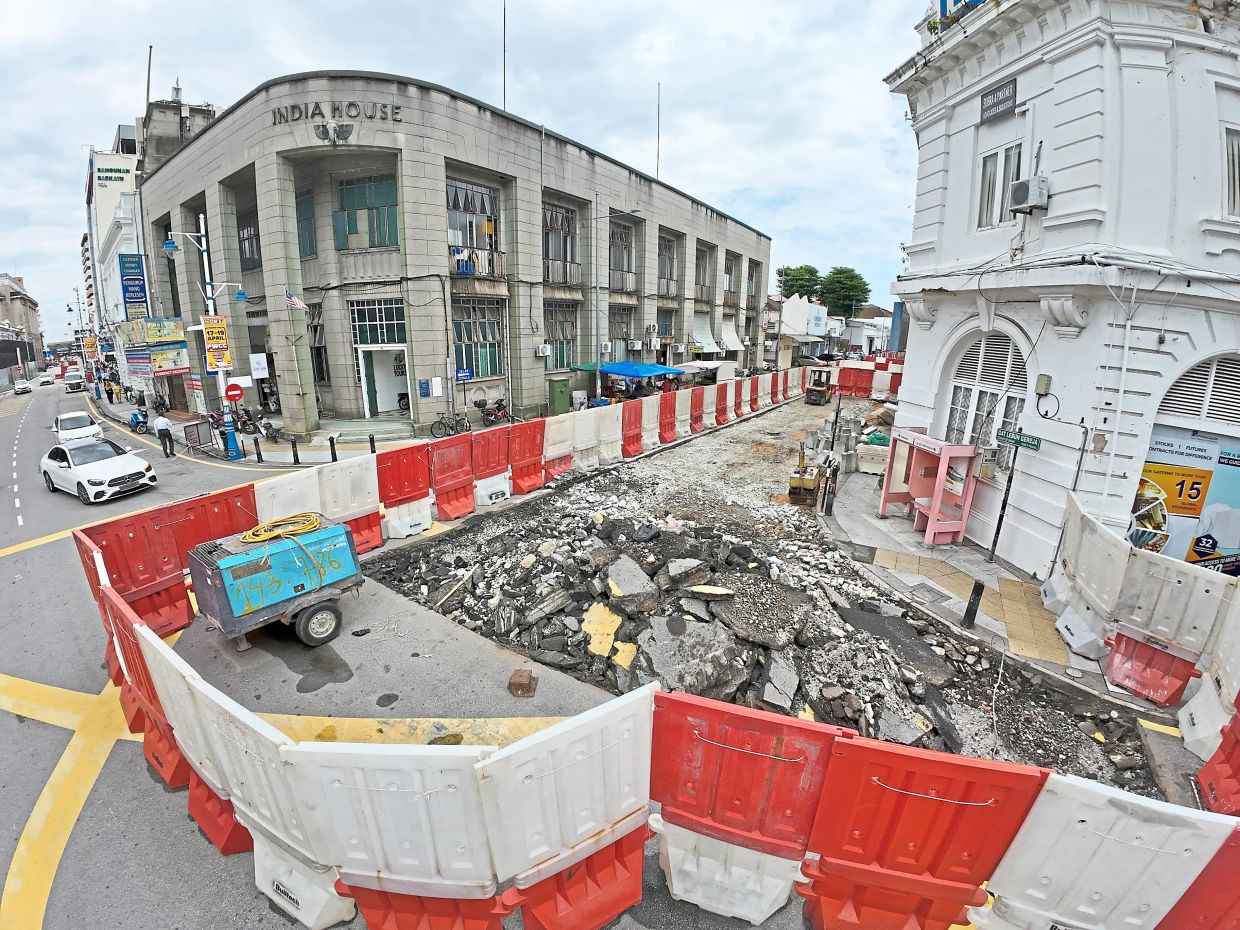
By carrying out works in stages, the project has kept roads accessible and traffic moving along Beach Street.
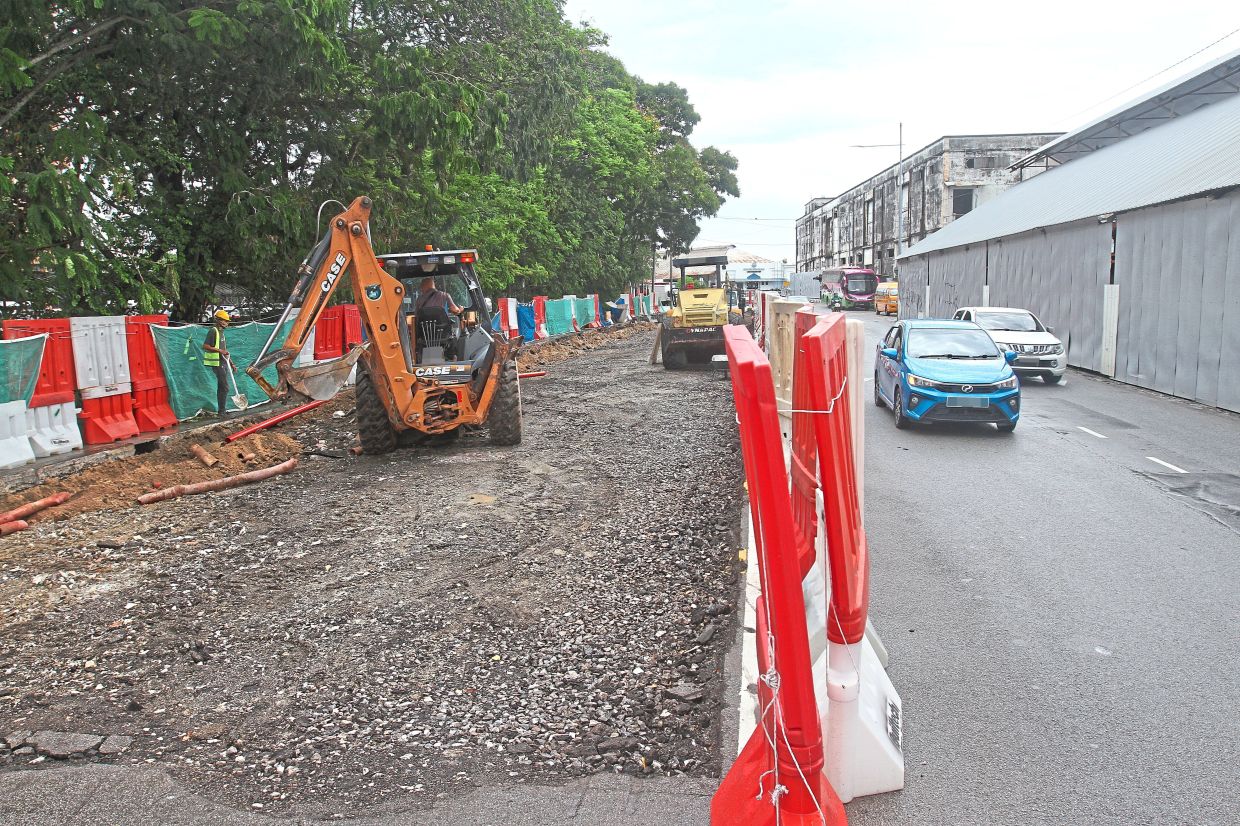
Road levelling works being carried out along Weld Quay as part of the facelift project.
The RM24.7mil upgrading pilot project will cover a 1.76km loop including Beach Street, Church Street Ghaut and Victoria Street.

