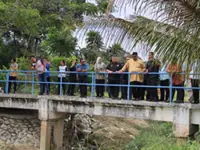
CLIMATE-resilient plans and improved infrastructure are being implemented to keep Klang district flood-free during intense downpours.
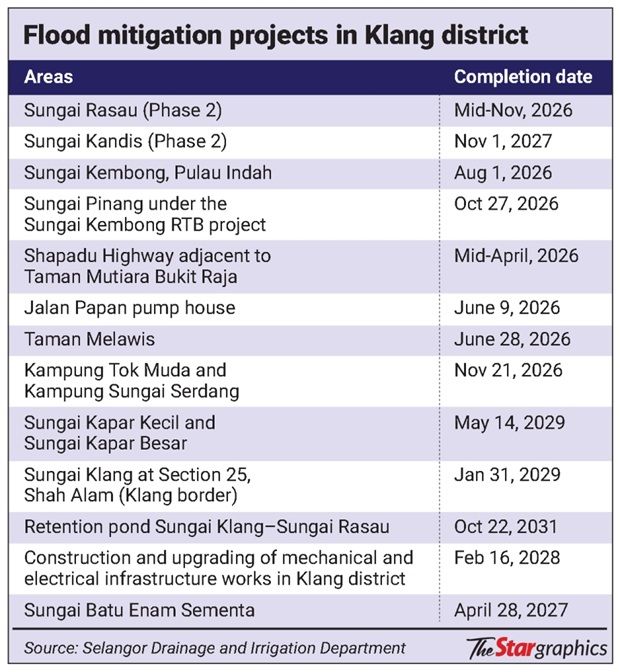
Selangor government has approved RM990.41mil for the Drainage and Irrigation Department (DID) to carry out 13 Flood Mitigation Plans (RTB) there.
Mentri Besar Datuk Seri Amirudin Shari said the allocation has been channelled to the state DID.
“We are looking at developing the Selangor Water Masterplan, which will look at the starting point of floods, reason for droughts and increasing water reserves.
“We cannot rely on piecemeal solutions because the challenges are greater with each year.”
In a developed state like Selangor that has a population of over 7.3 million, he said, there was a need to enhance the resilience of mature cities such as Klang, Shah Alam, Subang Jaya and Petaling Jaya.
“These four cities house nearly half the state population.
“That is why Selangor has to adapt to the increasing rainfall to reduce flood impact on the people,” he said.
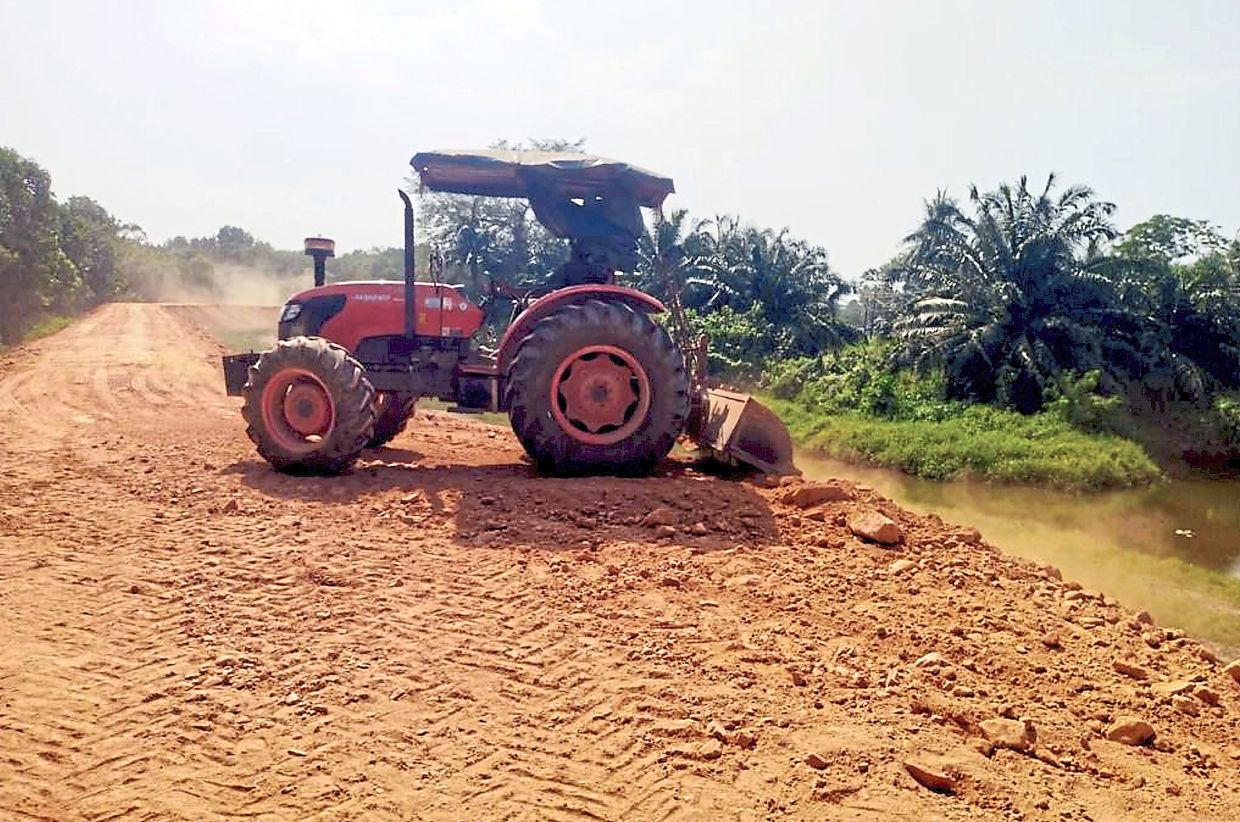
Amirudin said the state DID was carrying out flood mitigation measures such as building bunds, cross-drainage culverts and retention ponds as well as installing control sluice gates and high-volume pumps.

Selangor DID director Datuk Mohd Nazri Yasmin said five projects would be completed before September this year, while the remaining eight would be ready by end of 2027, early 2029 and late 2031.
“These measures are needed considering the changes in weather patterns bringing frequent intense rain,” he said.
Selangor is working to prevent a repeat of the major deluge that struck parts of the Klang Valley on Dec 18, 2021.
Mohd Nazri said efforts to reduce flood risks in Klang were being stepped up with the RTB projects, currently underway, at several sites across the district.
“The five projects include the construction of a cross-drainage culvert under the nearby KTM Bhd railway track bordering Taman Melawis across to Lorong Sembilang 8E, opposite the Klang district Public Works Department.
“The other projects are a flood retention pond and pump house in Taman Mutiara (Bukit Raja); works at Sungai Kembong (Pulau Indah; Jalan Papan pump house mechanical works as well as coastal embankment upgrading in Kampung Sungai Serdang and Kampung Tok Muda in Kapar,” he said.

Mohd Nazri added that drainage infrastructure must be updated to account for climate change since old drains were built to cater to historical rainfall data.
Old drains, he said were often failing due to extreme rainfall and rapid urbanisation.
“Climate change, too, is causing more frequent and intense short-term rainfall, leading to overloaded drainage networks and localised inundation.
“Flood mitigation projects factoring in climate change are needed to improve their overall effectiveness,” he said, adding that the current drain designs were more resilient to climate change.
“Accounting for future rainfall intensity driven by climate change is not new, but greater emphasis is now being given in the design of flood mitigation projects in Selangor.
“Climate change, the latest rainfall data, and trends in rising rainfall intensity are among the elements incorporated into flood mitigation models.”
Mohd Nazri added that DID also considered current and projected land use within catchment areas.
“Changes in land use, such as urban development, roads and paved surfaces, can increase surface runoff into drainage networks and rivers,” he said.
He said studies on drainage and river capacity also factored in the projected volume and rate of runoff based on land use plans.
This was to ensure that flood mitigation infrastructure, such as rivers, retention ponds and drainage systems, would have sufficient capacity to accommodate future water flow, added Mohd Nazri.
“This approach aims to ensure that flood mitigation infrastructure is more resilient and capable of functioning effectively in the face of increasingly extreme rainfall patterns, in line with the state’s development,” he said.
Mohd Nazri added that Selangor’s flood mitigation project designs were based on the Average Recurrence Interval (ARI) as specified in the Urban Stormwater Management Manual and Hydrological Procedure guidelines.
ARI is the average time between rainfall or floods of a certain size.
“For major projects such as flood retention ponds, main drainage systems and river mitigation works – the designs typically account for an ARI of 50 to 100 years, depending on the area, risk level and development density,” he said.
Mohd Nazri added that besides conventional engineering solutions, Selangor DID was also promoting nature-based solutions in flood management.
“Our main approaches include preserving and restoring mangrove forests in coastal areas as they act as natural barriers against storm surges and seawater overflow,” he said.
“Mangroves also help conserve water catchment areas and river riparian zones, supporting natural rainwater absorption while allocating natural retention areas and floodplains within land use planning.”
Mohd Nazri added that these approaches were important not only for reducing flood risks but also for supporting ecosystem sustainability and long-term environmental balance.
Plan for Taman Melawis
Former auditor and Taman Melawis resident Kardel Singh, 73, said the locals were less worried about floods following Klang Royal City Council’s (MBDK) move to upgrade residential and monsoon drains.
When it rained heavily, he said the drains filled up, but did not overflow due to the well-functioning drain network.
“Taman Melawis residents want DID to complete the project before a major storm hits.”
Taman Melawis is a neighbourhood with 450 residential units and 24 shop lots.

Previously, heavy rain flowed through Kampung Menteram, Jalan Turki and Lorong Raja Haji Othman, eventually flooding Taman Melawis.
The area was prone to flooding whenever the two concrete box culverts opposite Sluice Gate 38 on Jalan Tepi Sungai overflowed, with rapidly rising rainwater further exacerbating the situation.
Another long-time Taman Melawis resident Serjeet Singh, a retired Water Works Department technical officer, said construction of the cross-culvert drainage infrastructure was critical and must be completed soon to channel water out from the neighbourhood efficiently.
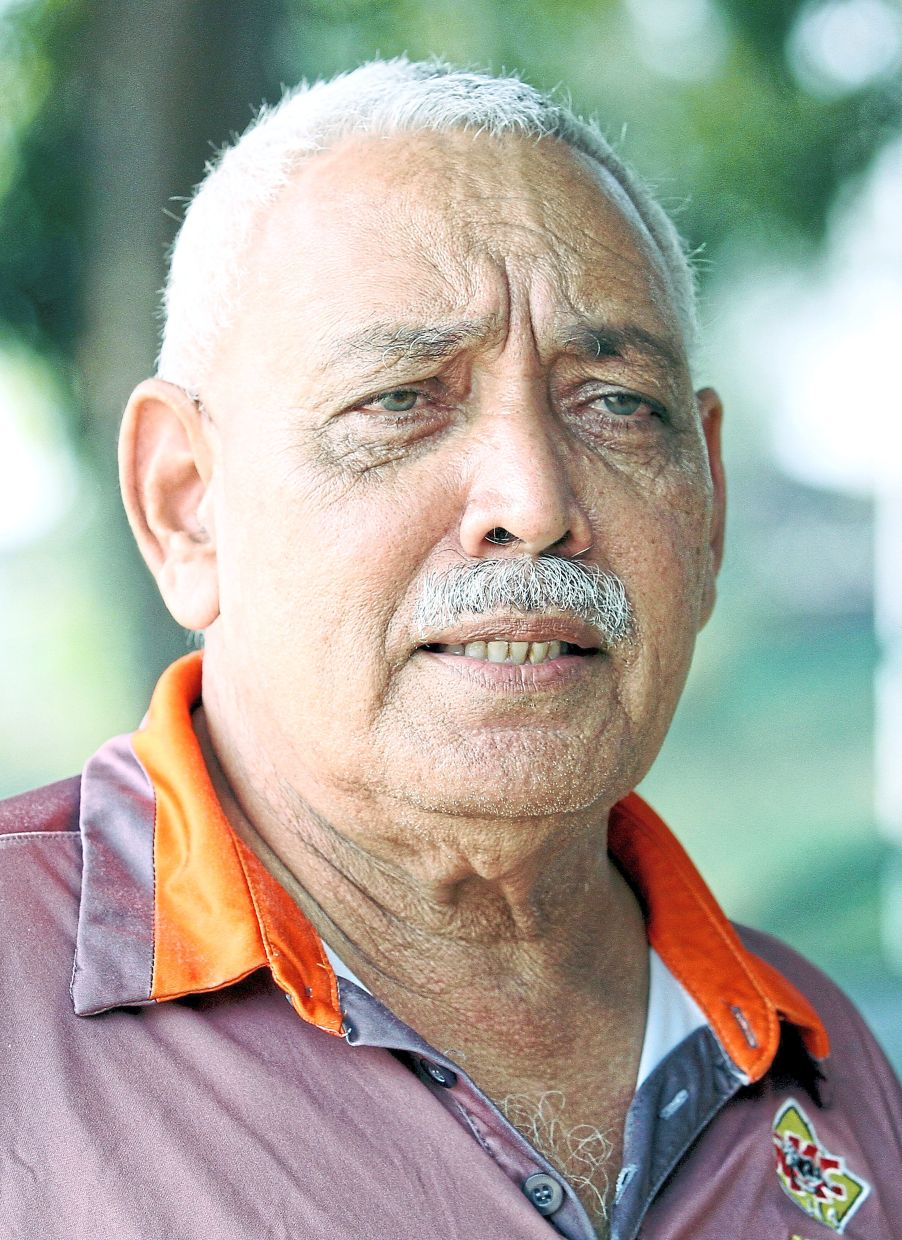
MBDK Engineering Department director Mohd Zaidi Zainal said the city council was collaborating with Klang DID to resolve the flooding problem.
“The city council’s aim is to increase drainage capacity in high-risk areas, and improve residential drainage networks to handle intense rainfall,” he said.

Klang DID district engineer Mohamad Hafiz Hassan said a cross-drainage culvert was being constructed near the KTM Bhd railway track to channel surface runoff from Taman Melawis.
“The RM16.6mil project will divert rainwater from the monsoon drain along the railway track, bordering Taman Melawis, across to Lorong Sembilang 8E (opposite the Klang Public Works Department),” he said.
Mohamad Hafiz added that the 20m-long cross-drainage culvert was being built at Jalan Besi to the culvert at Lorong Sembilang 8E.
“The contractor estimates the Taman Melawis drainage works to be completed in June. It is now 90% completed.
“Works involving the widening and deepening of drains, micro-tunnelling beneath the railway track, the construction of an underground pump sump and pump house, installation of submersible pumps, and the extension of the flood wall are in the final stages,” he said.
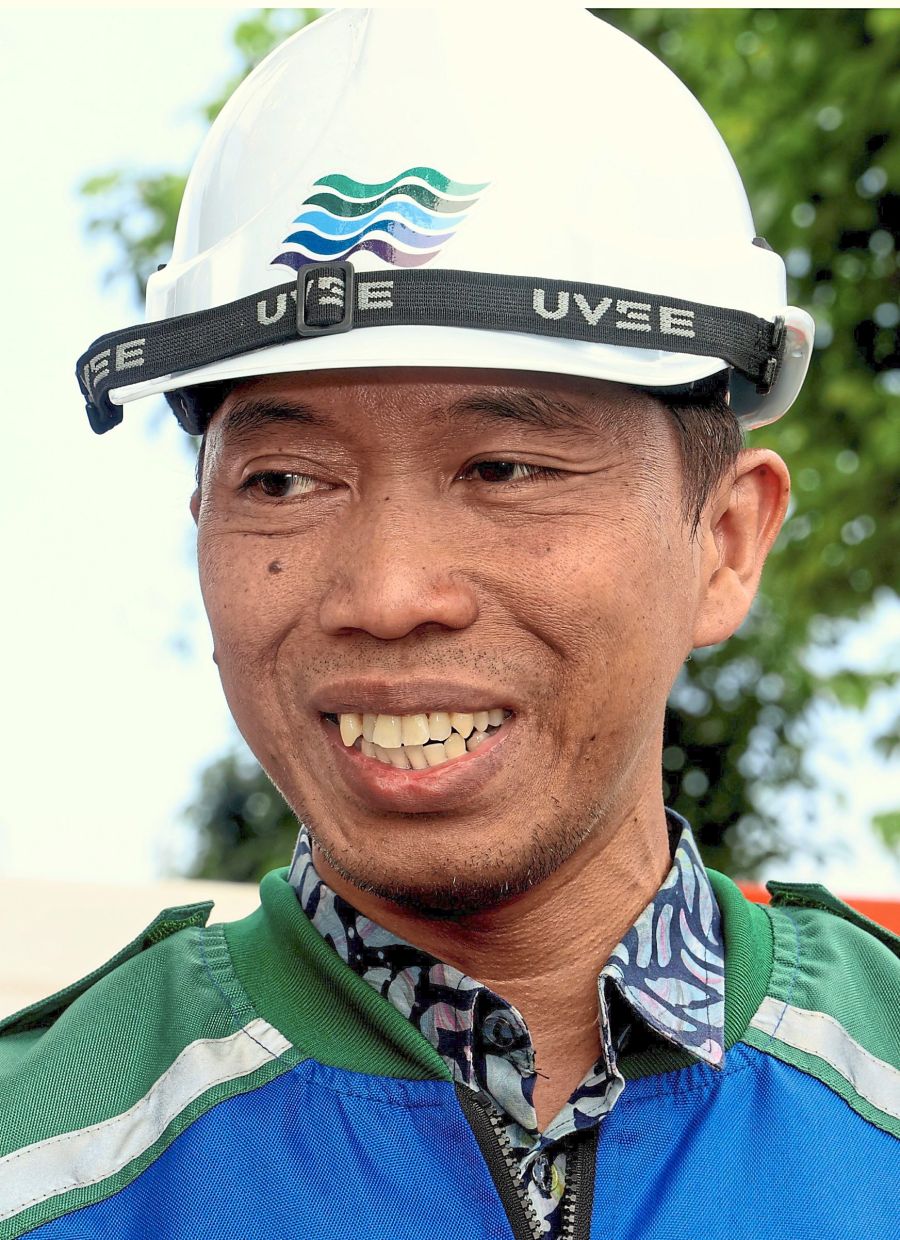
Mohamad Hafiz said in areas across the Klang district where water tend to stagnate after rain, DID would deploy high-volume pumps using specialised equipment designed to accelerate drainage.
“Implementation of the 13 RTB projects in Klang district is designed for a holistic, sustainable and high impact solution to control and reduce the risk of flood disasters,” he added.