
CUTTING down on fast food, limiting mall trips and doing laundry collectively are among small adjustments families are making due to the cost crunch from the Middle East conflict.
Mother-of-nine Effa Suraya A. Hamid, 45, said the family used to go out for fried chicken a few times a week as it was the quickest option for her big family.
“But these days we have to cut down on eating out and have our meals at home to manage costs.”
She added that she also spent more than RM500 on groceries per month compared to about RM300 previously for her family living in Johor Baru.
Effa Suraya, who works as a wait staff, said the government’s decision to reduce the subsidised RON95 petrol quota from 300 litres to 200 litres per month has also affected their daily lives.
“We mostly spend time at home as going out means spending money and using up our subsidy.”
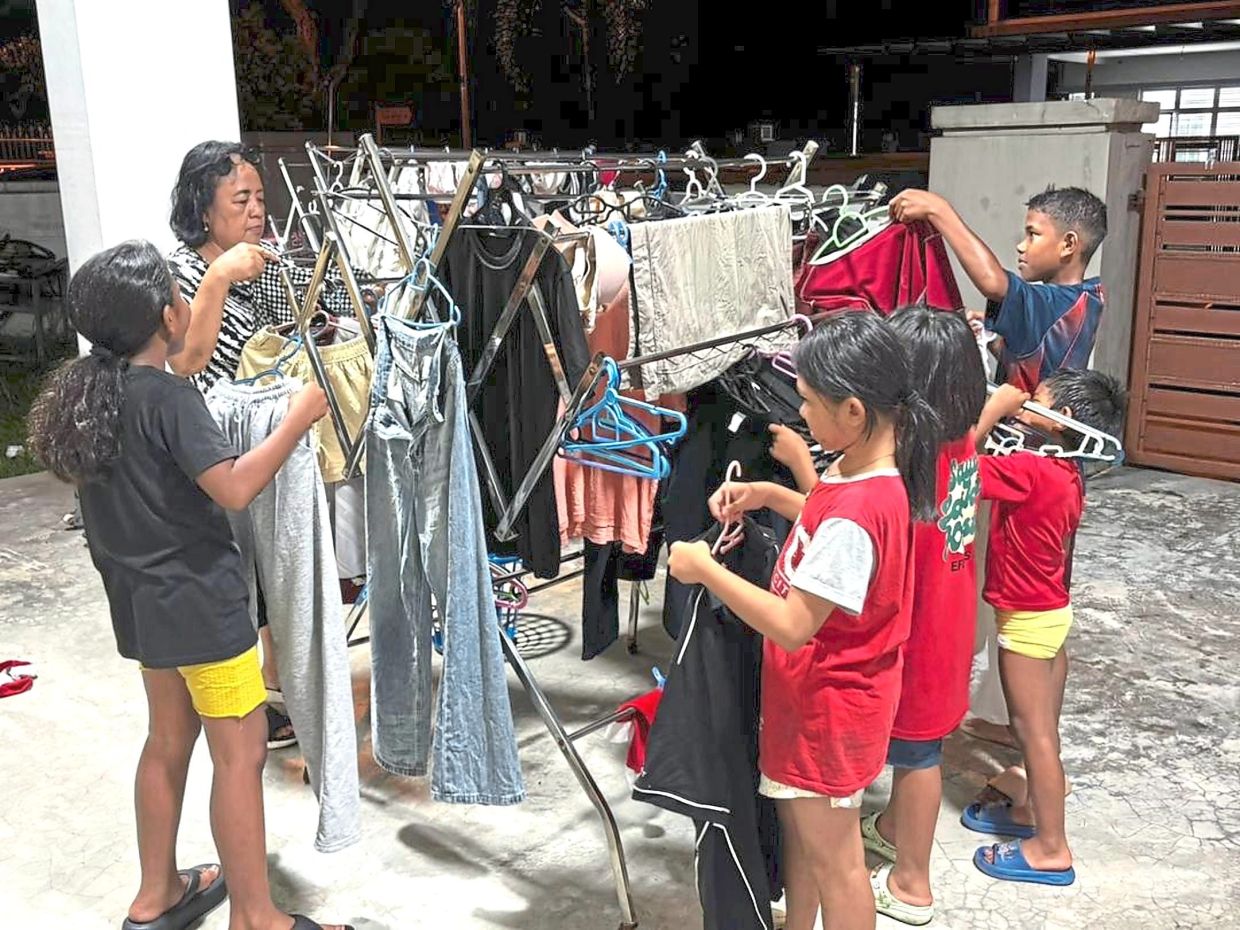
Church pastor Marry Sumadi said in times like these, managing a household of 11 with foster children aged six and up required forward planning.
“My family has cut down on trips to the mall.
“We used to go a few times a week just for fun, but now it is just once a week or even once every two weeks,” said the 64-year-old from Johor Baru.
Marry estimates spending more than RM2,000 per month on household expenses and highlights the need to stay prudent.
“I avoid wastage by cooking our meals daily,” she said, adding that she monitored the electricity usage as well.
“I teach the children to switch on the lights only if necessary and to coordinate doing laundry so that they can use the appliance at the same time.”

Muar beekeeper Soh Yu Hock is planning ahead for his growing family.
The father-of-nine with a baby on the way said his household expenses were around RM6,000 per month, with formula milk a major cost.
“My children consume about 25, 1kg-sized packs of formula milk every month.
“To cope, we minimise eating out and have meals cooked by my mother or mother-in-law.
“Since my mother is a vegetarian, we do not consume meat, so that reduces costs.”
The 42-year-old said he also took turns with other parents carpooling their children to and from school.
“It helps manage petrol consumption efficiently.”
Despite living in a rural area where they are not feeling the Middle East crisis as strongly, Soh admits to feeling uneasy.
“I feel anxious about the future and hope for a better situation for my children.
“With another baby due in May, I am already looking for opportunities to earn more to ensure my family can live well,” he said.