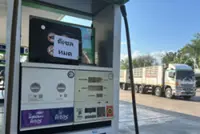
ONGOING tensions in the Middle East have sparked fears among local motorists that soaring fuel prices may compel the Government to remove the Budi 95 subsidy.
Businessman Wong Soo Loong, 55, expressed concern that such a move would place a heavy burden on him.
“We really depend on the RON95 subsidy. Without it, our cost of living will rise drastically,” he said.
Wong drives to and fro between Permas Jaya and Setia Tropica for work and spends about RM80 on fuel for his car.
He fears that his weekly fuel cost can rise to RM130 without the subsidy.
If the Government was to remove the subsidy, Wong said he would have no choice but to cut back on expenditure further.
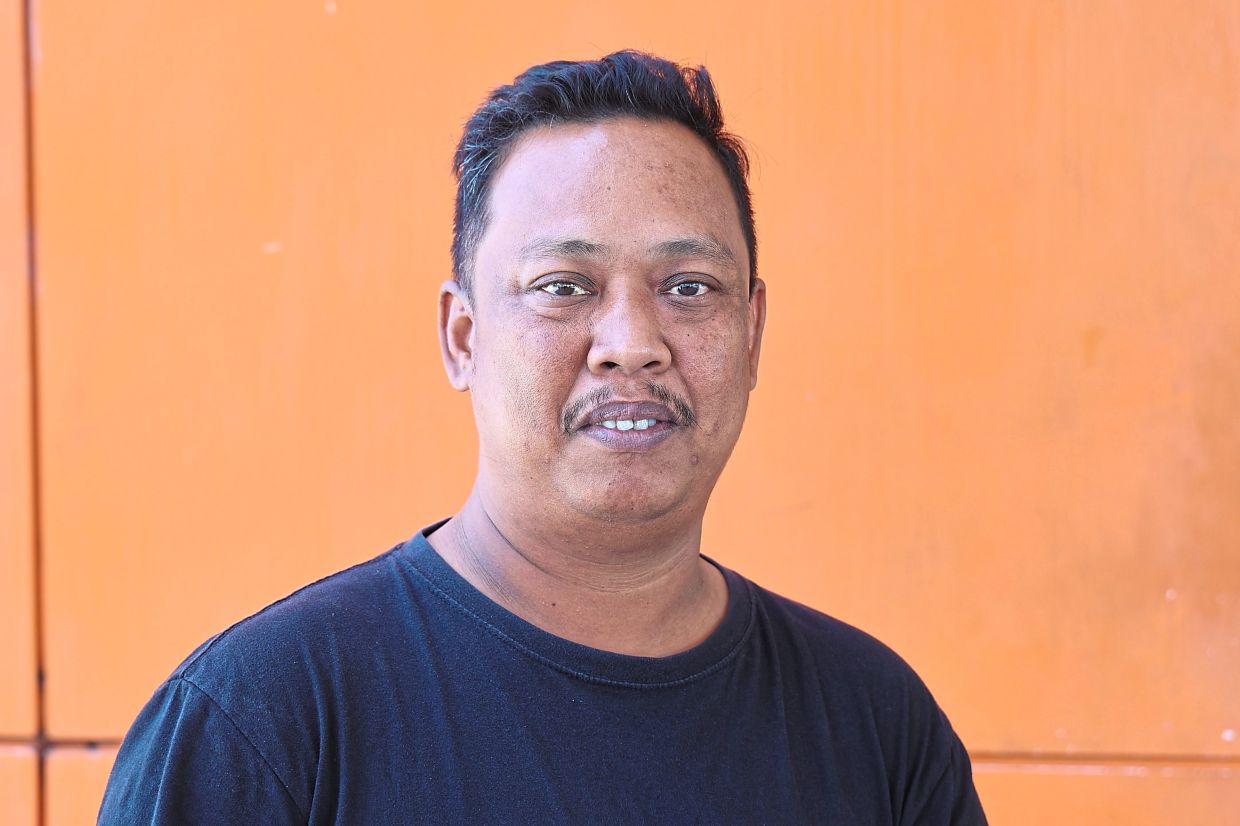
Lorry driver Mohd Fauzi Jaafar, 44, said his current salary was not enough to absorb any increase in fuel costs.
“Even a small rise in petrol prices will hit me hard. If the Budi 95 subsidy is withdrawn, I hope my salary will be increased,” he said.
Mohd Fauzi spends about RM60 per week on school runs while also managing diesel costs for his lorry.

Security officer R. Vijay, 48, shared a similar view, stating that a subsidy withdrawal would be a burden for everyone, especially families with low income.
“If the subsidy was removed, everyone should use fuel wisely and avoid travelling too much,” he said.
Project manager Calvin Louis Jeremiah, 45, noted that even weekend use of his car would impact his budget, if the subsidy was cut.
“I stay in Singapore five days a week, so I normally only use my car on weekends when I’m home in Johor, mainly for grocery runs.
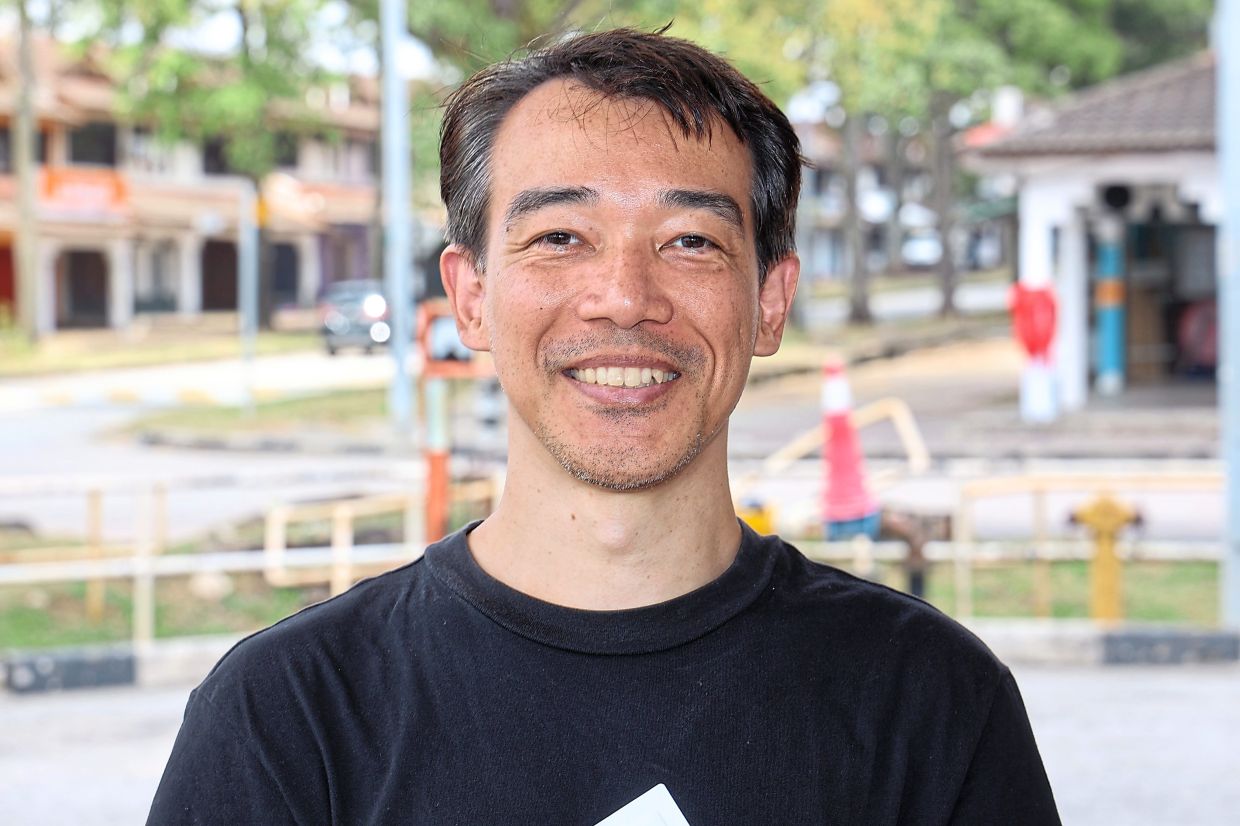
“Even then, the fuel cost adds up and it will eventually cause a hole in my pocket, especially since we do not know how long this conflict is going to last,” he said.
Housewife Noor Haslinda Mohd Kassan, 32, suggested collective effort in reducing unnecessary outings to save on fuel.
“I normally go out to fetch my children from school,” she said, adding she would limit driving for other matters.
Supply chain assistant supervisor P. Mathan, 34, noted that while his motorcycle commute was manageable, car owners would feel a heavier “pinch.”
He suggested shifting to electric vehicles as alternatives to reduce dependency on fuel subsidy in the long run.