Locals and foreigners throng streets to celebrate century-old festival in Johor Baru
WHEN Frenchman Damien Legave first heard about the century-old Johor Baru Chingay Festival, it was through photos and videos on social media.
This year, the 41-year-old research and development senior manager decided to visit Johor Baru for the first time to see it for himself.
Legave ended up doing far more than merely watching from the sidelines.
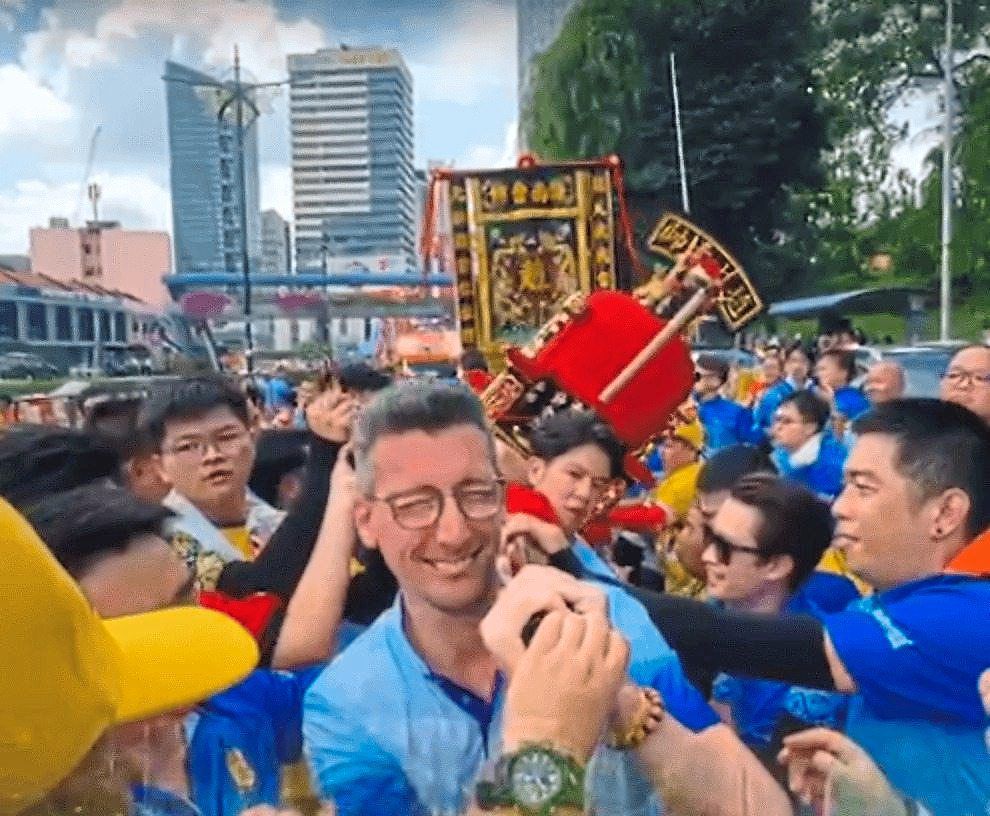
From clanging Chinese cymbals during temple rituals to carrying the deity’s heavy palanquin alongside other devotees, he immersed himself fully in the five-day festival, experiencing one of Johor Baru’s most storied traditions alongside the local people.
“I have lived in Kuala Lumpur for five years and have only seen Chingay through other people’s lenses online.
“My wife is a Chinese national, but we have never seen such a tradition in China.
ALSO READ: RM250k fund boosts festival, fuels Unesco bid
“When my friend from the Johor Baru Teochew Eight Districts Association invited me, I was excited to take part and experience Chingay myself,” he told StarMetro.
Legave also joined devotees in several rituals leading up to the parade, such as the street cleansing ceremony and the ritual washing of the deities.
“My favourite part throughout the whole festival was the climax event – the Chingay parade – where I walked among devotees to accompany the deities for a city tour on foot.
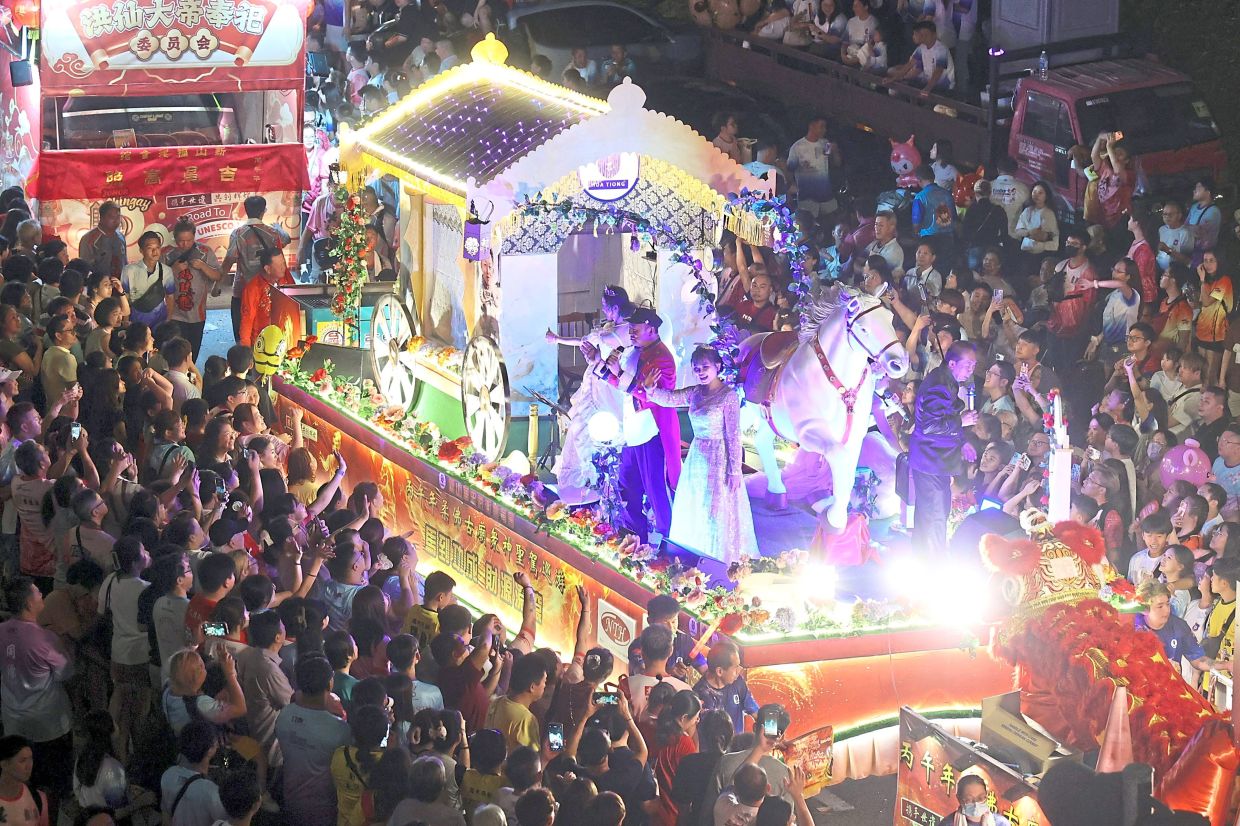
“The experience was so rich, especially with the lion and dragon dance performances and fireworks.
“As a foreigner, I stood out among the crowd, but I still felt a sense of camaraderie with everyone,” he said, adding that the experience gave him a deeper appreciation of local culture and community spirit.
The father-of-two said he shared pictures and videos of the event with his family and friends, and received warm responses.
“Some asked whether it was heavy carrying the palanquin on my shoulder, while others said I would have good luck for the rest of the year.
“My wife and children immediately told me they want to join me for the festival next year,” he said with a laugh.
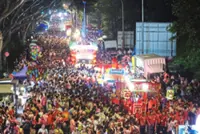
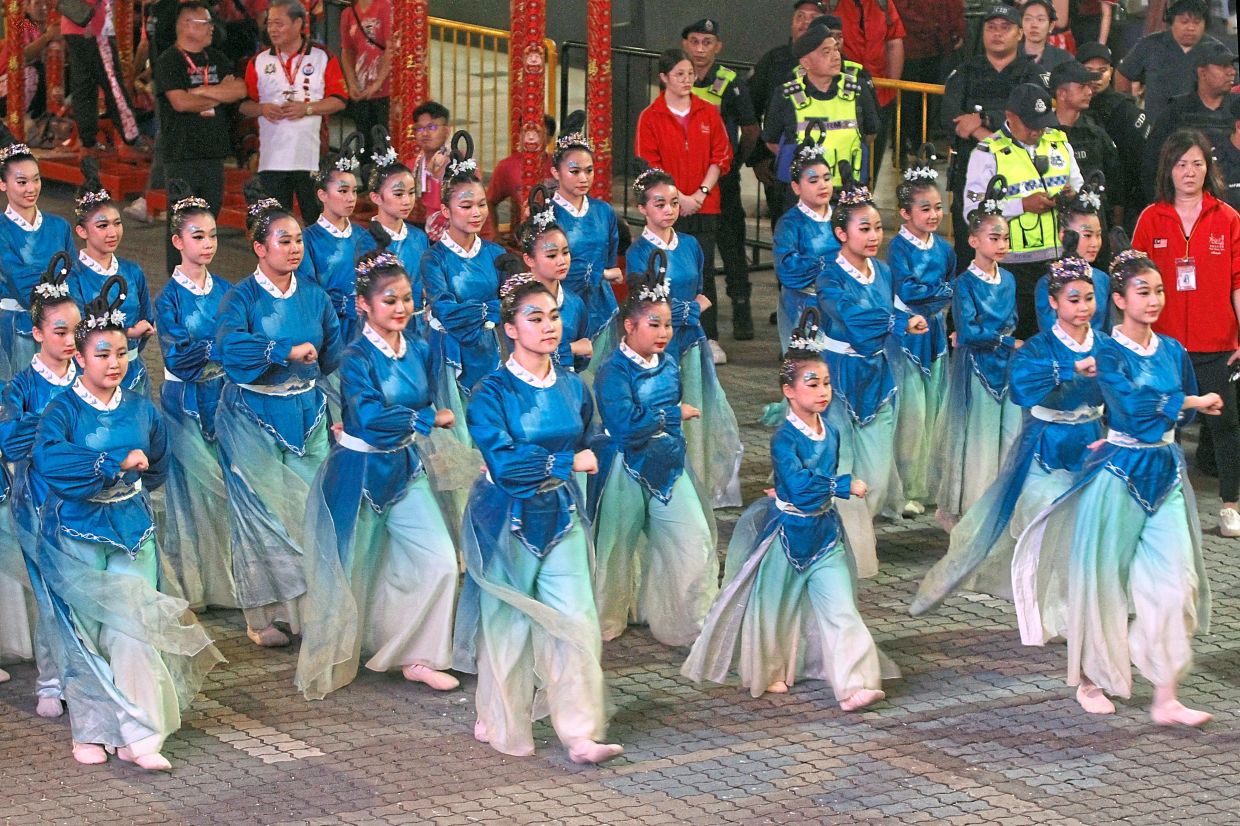
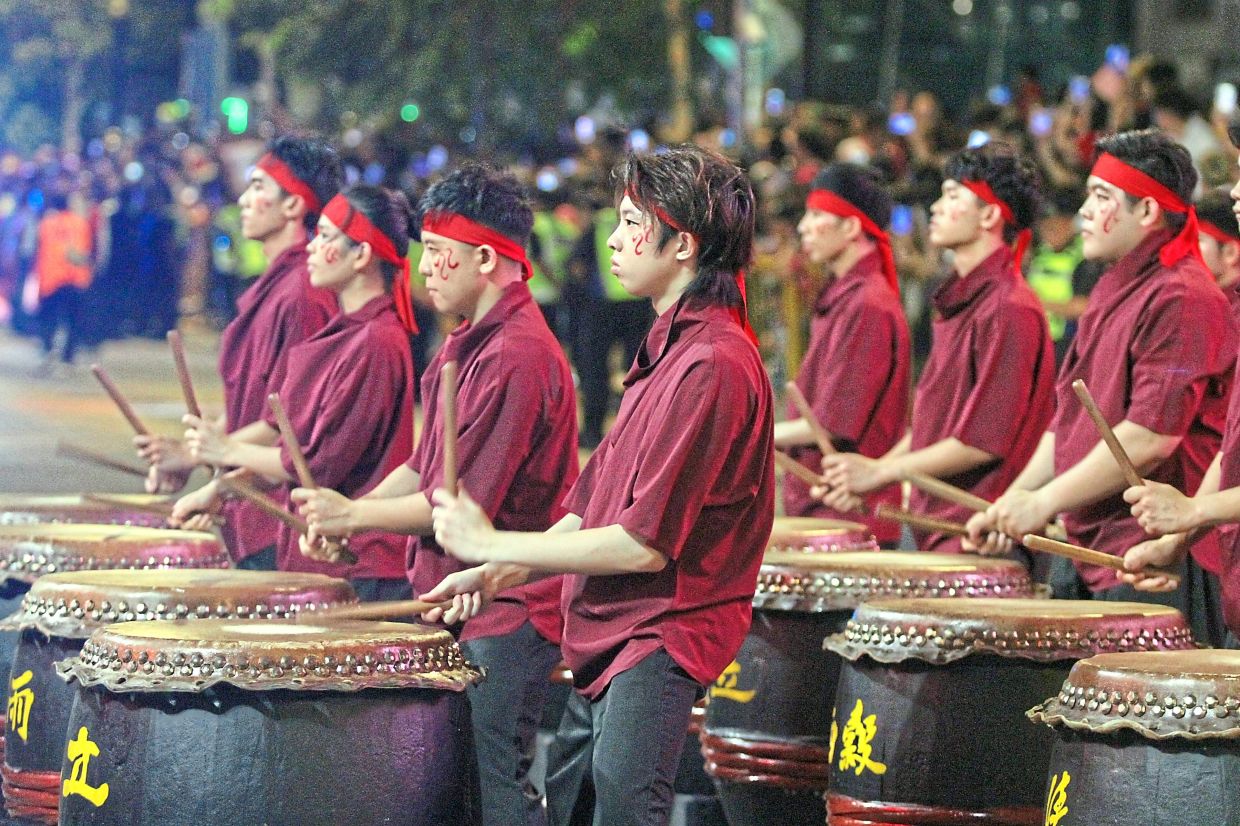
This year’s parade featured more than 90 colourfully decorated floats as well as lion and dragon dances and other cultural performances.
Held annually from the 18th to the 22nd day of Chinese New Year (March 6 to 10 this year) the Johor Baru Chingay Festival, marks the conclusion of the lunar celebrations for locals.
Shouts of heng ah and huat ah (meaning fortune and wealth in Hokkien) could be heard as the five deities representing the main Chinese dialect groups – Hokkien, Cantonese, Hainan, Hakka and Teochew – were brought on a ceremonial “tour” along major roads in the city centre to bless the people.
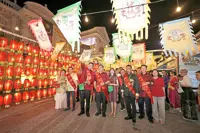
The festival began with a lighting ceremony on the first day, followed by a street cleansing ritual the next day.
On the third day, the deities departed for the Xing Gong temple.
After the 8km parade on the fourth day, the deities returned to the Johor Ancient Temple on the final day to conclude the festival.
The festival was accorded national heritage status in 2012.
The name “Chingay” comes from the Hokkien dialect, meaning the art of costume or masquerade – a fitting description for a celebration that continues to evolve while bringing together people from all walks of life.
For 21-year-old T. Janan Mohan, the festival has become an annual tradition although he was hesitant at first.
Four years ago, he was invited by his secondary schoolmate Heng Wei Ni’s mother Goo Mei Ling to join the celebrations.
“At first I was anxious about joining a Chinese community event.
“I even asked them if an Indian was allowed to join.
“My friend’s mother, whom I fondly call my Chinese mummy, reassured me that anyone was welcome and she stayed by my side throughout the event to explain the rituals to me,” said the Kolej Yayasan Pelajaran Johor diploma student.
In his second year participating in the festival, Janan Mohan said he prayed for success in his studies and for his mother who struggled with leg pains.
“I felt my prayers were answered as I scored good results that year and my mother’s health condition also improved.
“That strengthened my belief and I told myself that I must participate in Chingay every year,” he said.
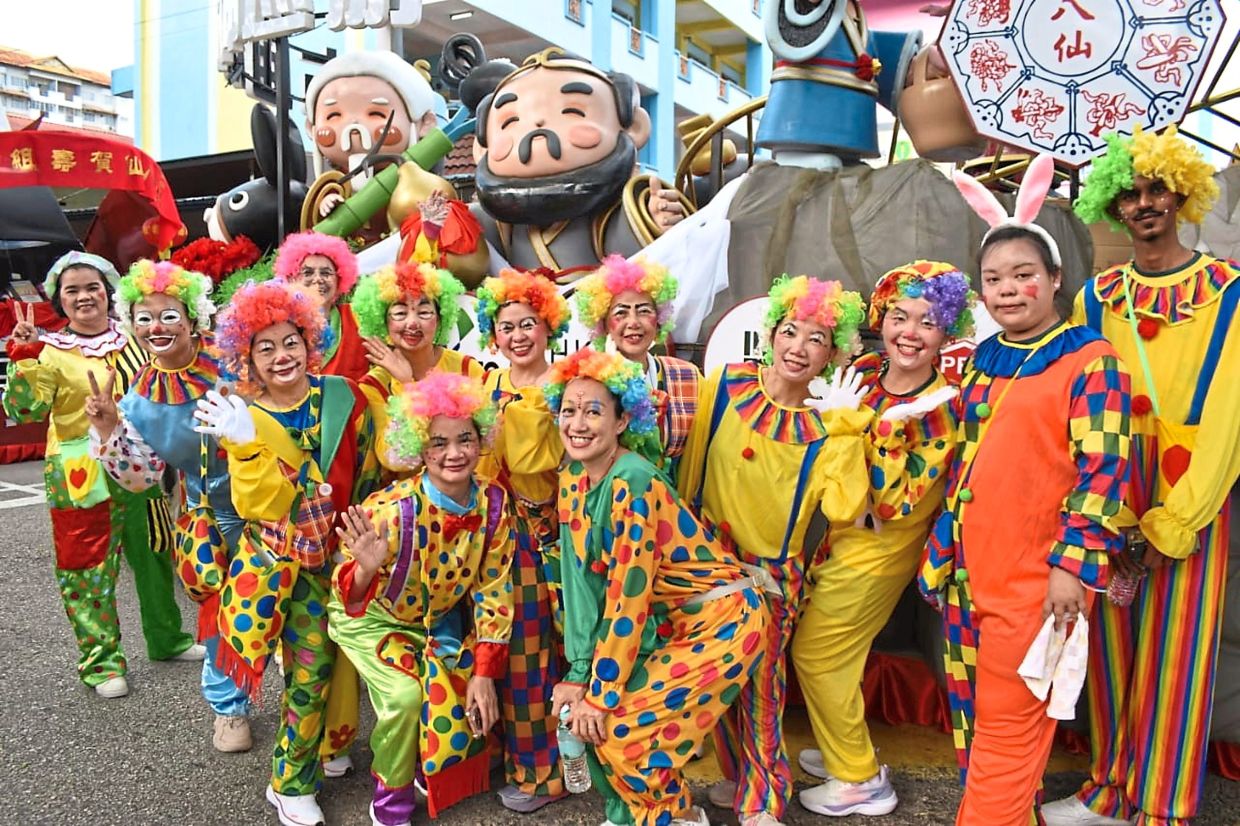
This year Janan Mohan joined the Johor Baru Hainan Association dressed up as a clown during the parade, to spread joy among the crowd.
“I felt the warmth and welcome despite our differences.
“I plan to invite my other friends to join next year to experience the festival,” he said.

For biscuit seller Munira Iskhak, 44, watching the Chingay parade up close was a rare opportunity.
Her biscuit booth in Komtar JBCC mall was located right behind the main stage where the parade passed along Jalan Wong Ah Fook.
“I know Chingay is a significant event for the Chinese community in Johor Baru because it marks the end of the Chinese New Year celebrations,” she said.
Munira noted how the festival organiser and participants showed consideration for other communities.
“I read that when the parade passed by mosques, participants stayed quiet and refrained from playing music, out of respect for the people who are praying.
“Mutual understanding goes a long way,” she said.

For 35-year-old Lai Woon Chin, the festival was a chance for family bonding across three generations as he brought his parents and young son to watch the street cleansing ritual at the Johor Ancient Temple on the second day of festivities.
“This was our first time attending because it fell on a weekend.
“My wife and I both work in Singapore, making it difficult to travel back for the event in previous years,” said the software engineer.
“This was a good chance for us to learn more about our culture and traditions.
“We took the opportunity to offer prayers at the temple and hope to take part in the night parade next year,” added Lai.